
How Women Can Improve Their Fertility & Hormone Health | Dr. Natalie Crawford
Dr. Natalie Crawford is a double board-certified physician specializing in obstetrics, gynecology, fertility, and reproductive health. She joins Andrew Huberman to discuss actionable steps all women can take to improve reproductive and hormone health, whether or not they want children.

Episode


- 01
Every woman should get an AMH test for $79 to check egg count - it's not about egg quality but knowing your reproductive timeline
- 02
NSAIDs like ibuprofen can prevent ovulation by stopping follicle rupture, so avoid them when trying to conceive except during periods
- 03
Cannabis use decreases egg retrieval by 25%, fertilization rates by 28%, and dramatically harms sperm quality and DNA integrity
- 04
Tracking ovulation is more important than tracking periods - luteal phase defects are the first sign of ovulation disorders
- 05
Egg freezing doesn't deplete your ovarian reserve - you lose the same eggs monthly regardless, freezing just saves them from dying
- 06
Birth control pills can mask underlying conditions like PCOS, so stop 3-6 months before trying to conceive to learn your cycle
- 07
Chronic inflammation from poor sleep, stress, and toxins directly impacts egg quality and ovarian function throughout life
- 08
CoQ10, omega-3s, vitamin D, and prenatal vitamins should be started in 'trimester zero' - the 60 days before conception
Get the latest ideas from Huberman Lab.
Plus the best new takeaways from other top podcasts — read in minutes, not hours.
By continuing, you agree to podbrain's Terms and Privacy Policy.
These notes may contain occasional inaccuracies. Learn how podbrain notes are made
Dr. Natalie Crawford is a double board-certified physician specializing in obstetrics, gynecology, fertility, and reproductive health. She joins Andrew Huberman to discuss actionable steps all women can take to improve reproductive and hormone health, whether or not they want children.
The conversation explores fertility as a crucial health marker beyond pregnancy goals. Dr. Crawford explains how infertility correlates with increased rates of metabolic syndrome, cancer, heart disease, and early mortality - making reproductive health assessment valuable for all women regardless of family planning intentions.
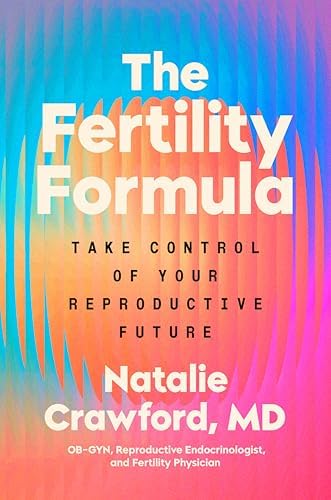
Drawing from her new book The Fertility Formula, Dr. Crawford covers the biology of ovulation, egg quality versus egg quantity, hormone replacement therapy, and practical testing recommendations. She also shares insights from her own fertility journey and clinical experience treating thousands of patients.
Fertility as a Universal Health Marker Beyond Pregnancy Goals
Fertility serves as a comprehensive health indicator because successful reproduction requires optimal hormonal, metabolic, and cellular function across multiple body systems.
Women with infertility show increased rates of metabolic syndrome, cancer, heart attack, stroke, and early mortality - not because infertility causes these conditions, but because it's often the first warning sign of chronic inflammation or insulin resistance.
Even in perimenopause, menstrual cycles remain informative about hormonal health, and hormone replacement therapy can be beneficial before the traditional 12-month amenorrhea definition of menopause.
The $79 AMH Test Every Woman Should Get
AMH (anti-müllerian hormone) testing costs only $79 and measures how many eggs remain in your ovarian reserve, providing crucial timeline information for reproductive planning.
The American College of OBGYN opposes routine AMH testing, claiming it causes stress and doesn't predict fertility - but Dr. Crawford argues this withholding of information is paternalistic and harmful.
Low AMH often indicates treatable conditions like autoimmune disease, insulin resistance, or endometriosis - 'Probably 50% of the time we find an autoimmune disease' when investigating low AMH causes.
Women can order AMH tests directly through labs like LabCorp or platforms like Function Health if their doctor refuses, or simply call a fertility clinic for testing.
Ovulation Tracking Reveals More Than Period Regularity
Tracking when you ovulate provides more sensitive health data than simply monitoring when you bleed, as ovulation disorders progress through predictable stages starting with luteal phase defects.
A luteal phase shorter than 11 days indicates hormonal miscommunication between brain and ovaries, warranting investigation of prolactin, thyroid, AMH, and PCOS even with regular cycles.
The progression moves from luteal phase defects to long follicular phases, then irregular cycles, and finally amenorrhea - catching early stages prevents missing warning signs.
Birth Control's Hidden Effects on Fertility Assessment
Birth control pills often mask underlying conditions like PCOS rather than treating root causes, leading to delayed diagnosis when women stop the pill to conceive.
Stop birth control 3-6 months before trying to conceive to learn your natural ovulation patterns and identify any irregularities that need treatment.
Progesterone IUDs can affect endometrial receptivity for up to six months after removal, so remove them at least six months before attempting pregnancy.
Depo-Provera shots can prevent ovulation for up to 18 months from a single injection, making them unsuitable if pregnancy is desired within two years.
Cannabis and Nicotine: Major Fertility Disruptors
Cannabis use in the prior year decreases egg retrieval by 25%, fertilization rates by 28%, and increases miscarriage rates, with THC levels highest in edibles.
Male cannabis use dramatically harms sperm quality and DNA integrity - 'When we go back nine out of 10 times, he is using cannabis that he previously denied' when embryos halt at day three.
Female partners of male cannabis users have much higher miscarriage rates due to compromised sperm DNA affecting embryo development and placental formation.
Nicotine use in any form disrupts ovulation and hormone response, with cigarette smoking being one of the few things that 'gets into the vault and decreases our egg count.'
Egg Freezing Myths and Insurance Coverage Barriers
Egg freezing does not deplete ovarian reserve - women lose the same number of eggs monthly regardless, and the procedure simply saves eggs that would otherwise die naturally.
IVF can only work with eggs outside the vault each month, not tap into stored reserves, making the fear of premature ovarian failure from egg freezing scientifically unfounded.
Insurance coverage for egg freezing faces opposition partly due to ethical concerns about embryo disposition from groups that view embryos as having personhood.
Companies offering egg freezing benefits see improved employee retention and satisfaction, with more women utilizing the service when it's financially accessible.
Inflammation, Sleep, and Metabolic Health for Egg Quality
Chronic inflammation damages egg quality by affecting mitochondrial health and chromosomal stability, while acute inflammation is necessary for ovulation itself.
NSAIDs like ibuprofen can prevent follicle rupture during ovulation, so avoid them except during menstruation when trying to conceive.
Sleep quality directly impacts fertility - 'If you say you have poor sleep, you have double the rate of infertility' with men showing lower testosterone and women getting fewer eggs during IVF.
Building skeletal muscle is 'one of the top ways you can reverse insulin resistance' and 'the best mechanism for hormonal health we have' for long-term ovarian function.
Supplement Protocols and Endocrine Disruptors
Universal supplements for 'trimester zero' include CoQ10, omega-3 fatty acids, vitamin D, and prenatal vitamins with folic acid, stopped during pregnancy due to limited safety data.
Biotin supplementation above 300 micrograms can interfere with hormone lab tests for seven days, giving false readings on estradiol, progesterone, HCG, and testosterone levels.
Endocrine disruptors from scented products, thermal paper receipts, and certain essential oils (lavender, tea tree, evening primrose) can impact fertility outcomes through cumulative exposure.
Look for 'fragrance-free' rather than 'unscented' products, as unscented means scents were masked with other chemicals rather than eliminated entirely.
These notes may contain occasional inaccuracies. Learn how podbrain notes are made
More in Health & Wellness

The Mental Frame & Specific Daily Actions to Succeed | Andy Stumpf
Jun 15, 2026
#396 ‒ Breast cancer screening: understanding risk, deciding when to start and how often to screen, and choosing the right imaging strategy
Jun 15, 2026
Essentials: Sleep Toolkit for Optimizing Sleep & Sleep-Wake Timing
Jun 11, 2026
Everything Women Need to Know About Perimenopause, Menopause & Hormone Therapy - Compilation
Jun 11, 2026
You Can Get What You Want.... But There’s a Catch
May 21, 2026
.svg)