
Essentials: Control Sugar Cravings & Metabolism with Science-Based Tools
Andrew Huberman, professor of neurobiology and ophthalmology at Stanford School of Medicine, explores how the nervous system regulates sugar intake and cravings in this Huberman Lab Essentials episode.

Episode


- 01
Fructose cannot directly access the brain and must be converted to glucose in the liver, disrupting hunger hormones
- 02
Two parallel neural pathways drive sugar cravings: sweet taste perception and blood glucose elevation responses
- 03
Neuropod cells in the gut detect sugar independently of taste, triggering dopamine release below conscious awareness
- 04
Lemon or lime juice consumed with sugary foods can blunt blood glucose spikes through sour taste receptor interactions
- 05
Glutamine supplementation (several grams daily) may reduce sugar cravings by activating gut neuropod cells
- 06
Sleep quality directly impacts sugar metabolism patterns and appetite regulation for sweet foods
- 07
High fructose corn syrup contains 50% or more fructose versus 1-10% in natural fruits
Get the latest ideas from Huberman Lab.
Plus the best new takeaways from other top podcasts — read in minutes, not hours.
By continuing, you agree to podbrain's Terms and Privacy Policy.
These notes may contain occasional inaccuracies. Learn how podbrain notes are made
Andrew Huberman, professor of neurobiology and ophthalmology at Stanford School of Medicine, explores how the nervous system regulates sugar intake and cravings in this Huberman Lab Essentials episode.
The discussion covers the hormonal cascade from ghrelin to insulin when we eat, explaining why glucose serves as the brain's preferred fuel source. Huberman distinguishes between different sugar types, particularly fructose versus glucose, and their distinct metabolic pathways.
The episode reveals two parallel neural circuits that drive sugar seeking: conscious sweet taste perception and unconscious gut-based glucose detection. Practical interventions are discussed, from simple kitchen ingredients like lemon juice and cinnamon to more advanced tools like berberine supplementation.
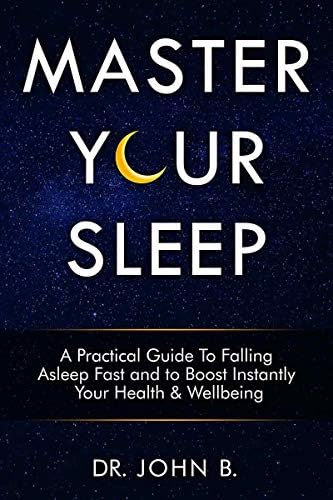
Sleep's role in sugar metabolism receives special attention, with Huberman referencing his comprehensive Master Your Sleep episode as a foundational resource for optimizing metabolic regulation.
The Hormonal Cascade: From Ghrelin to Glucose
Ghrelin levels rise based on time since last meal, making us hungry by interacting with the arcuate nucleus and lateral hypothalamus, then decrease when we eat.
Neurons are tremendously metabolically active with glucose as their preferred fuel source, especially during deliberate thought, skill learning, and intense conversations.
Fructose concentrations in fruit range from 1-10%, while high fructose corn syrup contains 50% or more fructose.
"Fructose most likely cannot directly access the brain. It actually needs to be converted into glucose in the liver" - Huberman.
Two Parallel Neural Pathways Drive Sugar Cravings
One pathway responds to sweet taste perception, while a parallel pathway responds to foods that raise blood glucose levels.
"When you think you want a piece of chocolate or cake, you are both craving the taste and your neurons are literally craving the nutritive components" - Huberman.
Sweet taste triggers dopamine in mesolimbic reward pathways, creating focused action toward getting more rather than satiety.
Dopamine creates "the sensation of wanting more" rather than feeling satisfied, with longer abstinence producing greater dopamine release.
Neuropod Cells: The Gut's Hidden Sugar Detectors
Neuropod cells, discovered by Dr. Diego Bajorquez at Duke University, detect sugar presence in the gut independent of taste perception.
These cells send signals through the vagus nerve to the nodose ganglion, then to the nucleus of the solitary tract.
Hidden sugars in savory foods trigger neuropod cells without registering as sweetness, further triggering dopamine and general food cravings.
"We have two major accelerators, like a car with two accelerators" for pursuing sweet food consumption - Huberman.
Glycemic Index and Neural Circuit Manipulation
Low glycemic foods score under 55, medium 55-69, and high glycemic foods above 70, but measurements assume isolated food consumption.
Fiber and fat consumption alongside sweet foods reduces glycemic index by slowing glucose absorption and blunting dopamine release.
Ice cream has a lower glycemic index than mangoes or table sugar due to its fat content, demonstrating the complexity of food combinations.
Sharp blood glucose rises create more potent neural signals than moderate or slow rises, making glycemic control crucial for craving management.
Practical Tools: From Kitchen Staples to Advanced Supplements
Lemon or lime juice (a couple tablespoons) before, during, or after sugary foods can blunt blood glucose response through dual mechanisms.
Sour taste receptors interact with sweet taste processing, with Charles Zucker's research at Columbia Medical School demonstrating this neural interaction.
Cinnamon adjusts glucose entry rate, possibly by slowing gastric emptying, but should be limited to one teaspoon daily due to coumadin toxicity.
Glutamine supplementation (several grams distributed throughout the day) may reduce sugar cravings by activating gut neuropod cells, though large clinical trials are lacking.
Berberine powerfully reduces blood glucose but can cause hypoglycemia, headaches, and dizziness when taken on an empty stomach - requiring medical consultation.
Sleep as a High-Performance Metabolic Tool
A Cell Reports study measured breath metabolites every 10 seconds throughout sleep, revealing distinct metabolic signatures for each sleep stage.
Different sleep phases are associated with sugar metabolism versus fat metabolism, with sleep disruption increasing appetite for sugary foods.
Quality sleep regulation affects not only general appetite but also the specific forms of metabolism that drive particular food cravings.
Huberman's Master Your Sleep episode at hubermanlab.com provides comprehensive tools for optimizing sleep quality and metabolic regulation.
These notes may contain occasional inaccuracies. Learn how podbrain notes are made
More in Health & Wellness

The Mental Frame & Specific Daily Actions to Succeed | Andy Stumpf
Jun 15, 2026
#396 ‒ Breast cancer screening: understanding risk, deciding when to start and how often to screen, and choosing the right imaging strategy
Jun 15, 2026
Essentials: Sleep Toolkit for Optimizing Sleep & Sleep-Wake Timing
Jun 11, 2026
Everything Women Need to Know About Perimenopause, Menopause & Hormone Therapy - Compilation
Jun 11, 2026
You Can Get What You Want.... But There’s a Catch
May 21, 2026
.svg)