
How To Have The Hardest Conversations of Your Life - Jefferson Fisher -
Jefferson Fisher is a trial lawyer and communication expert who has conducted thousands of depositions and cross-examinations. Chris Williamson hosts this conversation exploring the psychology and practical techniques of difficult conversations, conflict resolution, and assertive communication.

Episode


- 01
Communication problems stem from poor modeling in childhood - people learn conflict patterns from what they witnessed, not what they were taught
- 02
Your breath should be the first word you say in difficult conversations to slow down the process and maintain control
- 03
"Your emotions aren't too big for me" - Connor Beaton's phrase that creates space for others to be fully themselves without performance
- 04
Anger typically hides deeper emotions like grief, sadness, or fear - "where it's hysterical, it's historical" meaning big reactions come from past wounds
- 05
When someone insults you, give 5-7 seconds of silence then ask them to repeat it - most people can't because they don't want to highlight their ugliness
- 06
One conversation is typically not enough - removing pressure from single interactions reduces anxiety and allows for deeper connection over time
- 07
Being right is overrated - prioritize connection and understanding perspectives over winning arguments to maintain relationships
- 08
Facts don't change minds, feelings do - "feelings don't give a single shit about the facts" when it comes to persuasion
Get the latest ideas from Chris Williamson.
Plus the best new takeaways about communication from other top podcasts — read in minutes, not hours.
By continuing, you agree to podbrain's Terms and Privacy Policy.
These notes may contain occasional inaccuracies. Learn how podbrain notes are made
Jefferson Fisher is a trial lawyer and communication expert who has conducted thousands of depositions and cross-examinations. Chris Williamson hosts this conversation exploring the psychology and practical techniques of difficult conversations, conflict resolution, and assertive communication.
The discussion covers why people struggle with communication, the physiological responses to conflict, and specific strategies for staying composed during heated exchanges. Fisher draws from his extensive courtroom experience and personal relationship challenges to provide actionable frameworks for better interpersonal dynamics.
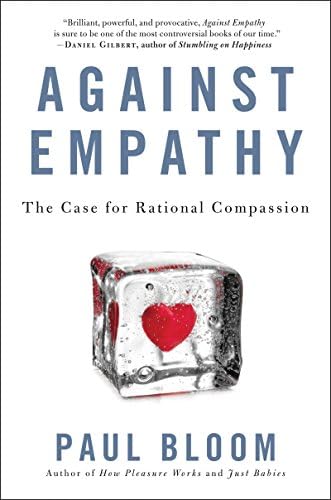
Key topics include the difference between being assertive versus aggressive, how to respond to insults and passive-aggressive behavior, techniques for delivering bad news, and the art of repairing relationships after arguments. The conversation also touches on concepts from Against Empathy by Paul Bloom and practical worry management strategies from How to Stop Worrying and Start Living by Dale Carnegie.
Why Communication Wasn't Taught, Only Modeled
Most people struggle with communication because it was never formally taught - they only saw it modeled by parents who may have used yelling or aggression as primary conflict resolution tools.
"It's like that Mike Tyson quote, everybody's got a plan until you get punched in the face" - Jefferson explains that reading about communication doesn't prepare you for actual difficult conversations.
People fear conflict because it requires courage, while yelling and defensiveness take zero effort - it's the easier neural pathway that our bodies default to during fight-or-flight responses.
The Physiology of Getting Triggered in Conversations
Your body can't distinguish between social danger and physical danger - pupils dilate, fists clench, jaw tightens, and breathing becomes restricted when someone challenges your beliefs or authority.
"We need to talk" creates immediate anxiety because it's an open loop with potential for things to go wrong - the vacuum gets filled with speculation and fear.
A Reddit user's Fitbit tracked his heart rate spiking from 60 BPM to 155 BPM during a 20-minute divorce conversation, showing how quickly conversations can dysregulate the nervous system.
Labeling Difficult Conversations to Reduce Anxiety
Connor Beaton's approach: "I need to have a difficult conversation with you. I know that you can handle it, and I know that we can handle it as well" - this frames challenge as growth opportunity.
Start with context and emotional safety rather than burying the lead in pleasantries - "This is going to be a hard conversation" prepares people to be emotionally resilient.
The phrase "your emotions aren't too big for me" creates space for people to express themselves fully without fear of being "too much" for the relationship.
Space Holding and Emotional Sovereignty
Theo Von's response to Sean Strickland breaking down: "We don't have to talk, man. I can just sit here with you for a minute" - demonstrates perfect space holding without trying to fix or relate.
"If we're not okay, then nothing's okay" - Jefferson's approach to his wife emphasizes that relationship health takes priority over other concerns.
Don't pick up what nobody asks you to carry - empathetic people often absorb others' emotions instead of allowing people to feel their own feelings.
Staying Composed When Conversations Get Heated
Use your breath as the first word you say - this slows down the process and prevents someone else from pressing their timing on you.
Take 20-minute timeouts when needed, not just 2 minutes - the data shows you need sufficient time to regulate your nervous system before re-engaging.
Schedule important conversations rather than ambushing people: "When's a good window sometime next week?" versus "Do you have five minutes?"
Write down what you want to discuss beforehand - this clarifies whether it needs to be said, when to say it, and what specific outcome you're seeking.
What Anger Usually Hides
"I sat beside my good friend Anger, and he turned to me and said, my name isn't anger. It's grief" - anger typically masks deeper emotions like fear, sadness, or grief.
"Where it's hysterical, it's historical" - oversized emotional reactions usually stem from old wounds and childhood scripts rather than the current situation.
People respond from old scripts when they feel controlled, pressured, or unsafe - a level 3 conversation can trigger a level 11 response due to past trauma.
Responding to Insults and Passive-Aggressive Behavior
Give 5-7 seconds of silence after an insult, then ask them to repeat it - most people can't because they don't want to highlight their ugliness.
Ask "Did you mean for that to sound as insulting as it did?" - this questions their intent and forces them to examine the root of their behavior.
For passive-aggressive people, use "Sounds like you have a reason for saying that" - this disarms them and invites them to be more direct about their needs.
"Manipulators aren't afraid of anger, they're afraid of calm" - staying controlled and asking clarifying questions is more effective than matching their energy.
Delivering Bad News and Setting Boundaries
Choose kindness over niceness - "I care enough about you to tell you the truth" rather than avoiding difficult conversations to seem pleasant.
Start with the hard news first: "This isn't a relationship I can see myself continuing" rather than burying the lead in pleasantries and past-tense language.
Effective boundaries require three elements: what you won't do, consequences if they continue, and what you're willing to walk away from.
"I don't respond to that volume" is more powerful than "You can't yell at me" - it puts you in control rather than trying to control them.
The Difference Between Assertive and Aggressive
Assertiveness respects both people: "I can respect you and I can respect myself" - aggression says "I don't respect you," passiveness says "I don't respect me."
Confident people don't need to say they're confident - "Dogs yip at everything, but big dogs only have to bark once" as Jefferson's grandfather taught him.
Vagal authority determines whose nervous system controls the interaction - the person with higher emotional capacity sets the temperature of the room.
Prioritizing Connection Over Being Right
"Being right is overrated" - you can win arguments but lose relationships when you always have to be correct.
Use perspective language: "I see things differently" comments on your viewpoint rather than "I don't agree" which attacks their position.
Paul Bloom's Against Empathy challenges the assumption that feeling others' emotions is always beneficial - understanding perspectives matters more than emotional contagion.
Ask "What did you hear?" when miscommunication occurs rather than insisting "That's not what I said" - this identifies the actual breakdown point.
Relationship Repair and Choosing Good Partners
Gold standard repair requires three elements: ownership ("I did that"), acknowledgment ("I imagine that made you feel hurt"), and team affirmation ("we're still working towards this").
"Bad times are a far better predictor of relationship longevity than good times" - how you handle disagreement matters more than peak moments.
Choose someone who communicates well and can handle your ugly moments while expecting you to take ownership and improve.
Dale Carnegie's strategy from How to Stop Worrying and Start Living of scheduling worry time applies to relationships - designate specific times for difficult conversations rather than ambushing people.

These notes may contain occasional inaccuracies. Learn how podbrain notes are made
More in Self-Development

Can the Middle Class Be Saved? Political Division, Economic Doom & The Leadership Problem | Andrew Bustamante Pt. 2
Jun 20, 2026
The Career Trap That Makes Women Miserable - Suzanne Venker - #1113
Jun 20, 2026
How Immigration and War Test the Strength of Values and National Identity
Jun 19, 2026
7 Strategies for Becoming a Better Father | FRIDAY FIELD NOTES
Jun 19, 2026
ELECTROMAGNETISM Is The SECRET To Health: Biofield Tuning Explained | Eileen McKusick
Jun 15, 2026
.svg)