
Dr Peter Salerno - How Narcissists Hijack Your Brain
Dr. Peter Salerno is a licensed psychotherapist with a doctorate in psychology who specializes in researching the etiology of personality disorders. Rather than treating these disorders directly, he helps victims of toxic relationships restore their 'reality confidence' after experiencing manipulation and abuse from...

Episode


- 01
Cluster B personality disorders affect 15-19% of the population and are characterized by antagonism, hostility, and interpersonal exploitation
- 02
Twin studies show personality disorders have 50%+ heritability, contradicting the 'hurt people hurt people' narrative - Dr. Salerno
- 03
Psychopathy has no known cure or successful treatment, only behavioral containment and management strategies
- 04
Narcissists live in a dichotomous world where people are either idealized or devalued based purely on utility, not worth
- 05
These individuals mimic pro-social emotions during a 'seduction phase' to lower victims' defenses before revealing their true nature
- 06
Therapists working with cluster B patients experience counter-transference feelings of incompetence, fear, and dread during sessions
- 07
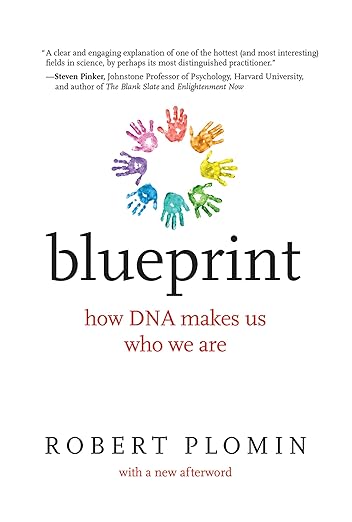
Robert Plomin is the fifth most cited psychologist of the 20th century, yet behavioral genetics remains taboo in academic psychology
- 08
All psychopaths are narcissists, but not all narcissists are psychopaths - narcissism serves as the 'white belt' of antisocial traits
Get the latest ideas from Chris Williamson.
Plus the best new takeaways about psychology from other top podcasts — read in minutes, not hours.
By continuing, you agree to podbrain's Terms and Privacy Policy.
These notes may contain occasional inaccuracies. Learn how podbrain notes are made
Dr. Peter Salerno is a licensed psychotherapist with a doctorate in psychology who specializes in researching the etiology of personality disorders. Rather than treating these disorders directly, he helps victims of toxic relationships restore their 'reality confidence' after experiencing manipulation and abuse from individuals with cluster B personality disorders.
The conversation explores the genetic and biological underpinnings of personality disorders, challenging the conventional 'hurt people hurt people' narrative. Drawing from behavioral genetics research, particularly The Blueprint by Robert Plomin and The Genetic Lottery by Kathryn Paige Harden, Dr. Salerno argues that these traits are significantly heritable rather than purely environmental.
The discussion covers the cluster B personality disorders (narcissistic, borderline, histrionic, and antisocial), their prevalence in the population, manipulation tactics used by these individuals, and the neurobiological differences that make treatment extremely challenging. The conversation also touches on therapeutic concepts like transference and counter-transference, which Dr. Salerno learned about from reading The Silent Patient by Alex Michaelides.
The Reality Distortion Field of Toxic Relationships
Dr. Salerno helps victims restore 'reality confidence' after toxic relationships by resolving 'traumatic cognitive dissonance' - the brain's struggle when forced to hold contradictory realities simultaneously.
Manipulative individuals make deception invisible, creating covert control while maintaining plausible deniability: 'No, I'm not actually up to anything. You're free to come and go as you please' - Dr. Salerno.
Victims can perceive relationships inaccurately for years or decades after they end because their reality was systematically distorted during the relationship.
Cluster B Disorders: The Interpersonal Destroyers
Cluster B personality disorders (narcissistic, borderline, histrionic, antisocial) are characterized by antagonism - intentionally creating conflict and drama rather than solving problems.
Triangulation is a key antagonistic tactic where one person tells another something about a third party to create rifts, then denies involvement while two uninvolved parties develop negative perceptions of each other.
These are 'egosyntonic' disorders - individuals are comfortable in their own skin and only experience conflict when others confront their behavior, lacking internal motivation to change.
Prevalence estimates suggest 15-19% of the general population has some form of cluster B personality disorder, with relatively even distribution between sexes.
The Genetics Revolution: Beyond 'Hurt People Hurt People'
Twin studies covering millions of participants show all psychological traits have approximately 50% average heritability, with personality disorders exceeding this percentage - contradicting purely environmental explanations.
As referenced in The Genetic Lottery by Kathryn Paige Harden, people can develop severe personality disorders without any childhood adversity or trauma, requiring 'startup material' of genetic predisposition.
Robert Plomin, author of The Blueprint, is the fifth most cited psychologist of the 20th century, yet behavioral genetics remains taboo because it challenges the belief that environmental interventions can fix everything.
The 'hurt people hurt people' narrative is attractive because it suggests environmental solutions, but intimidates people by implying negative behaviors could be naturally ingrained rather than learned.
Narcissism: Grandiosity Without Equality
Narcissism is excessive investment in one's preferred image at the expense of authentic self-development, not compensation for low self-esteem or shame-based wounds.
Narcissists operate from sincere conviction of superiority and entitlement, viewing relationships through utility rather than worth: 'There's no such thing as equality in a relationship where one person is truly narcissistic' - Dr. Salerno.
Both grandiose and covert narcissists share the same core grandiosity - the difference lies in expression, not underlying belief systems or shame levels.
Narcissists live in a dichotomous world where people are either idealized (everything they want) or devalued and discarded (useless), lacking the capacity for nuanced relationship dynamics.
Psychopathy: Exploitation Without Honor
Psychopaths are characterized by exploitation of others at the expense of any honor, viewing human life as expendable: 'They don't see another person and think this person should be alive or has the right to be alive' - Dr. Salerno.
There is no known cure or successful treatment for psychopathy - only behavioral containment and management, as incarcerated psychopaths think the same way but behave differently due to confinement.
All psychopaths are narcissists, but not all narcissists are psychopaths, making narcissism the 'white belt' or entry point to more severe antisocial traits.
Psychopaths don't learn from fear-based consequences and may actually be rewarded by behaviors most people find negative, lacking the neurological systems that register punishment as deterrent.
The Therapeutic Battlefield: Counter-Transference and Manipulation
Therapists experience predictable counter-transference with cluster B patients: feelings of incompetence, fear, and dread that weren't present before the session began.
These individuals actively derail therapy by exploiting therapist empathy and unconditional positive regard, feigning collaboration while maintaining control of the narrative.
The concept of transference and counter-transference, which the host learned from reading The Silent Patient by Alex Michaelides, reveals how these dynamics mirror the patient's real-world relationship patterns.
More nurture and empathy actually makes severe personality disorders more exploitative, as they use therapeutic warmth as ammunition rather than healing opportunity.
Manipulation Tactics: The Seduction and Destruction Cycle
The manipulation process begins with mimicking pro-social emotions during a 'love bombing' phase, reflecting the victim's interests, trauma, and goals back to them to lower defenses.
These individuals are 'equal opportunity attackers' who vet everyone like used car salespeople, sticking with those who tolerate multiple rounds of problematic behavior rather than targeting specific victim types.
Victims need emotional resilience to withstand repeated manipulation attempts, but by the time they consider exiting, they're often 'biochemically hijacked' by the dynamic.
Red flags must be investigated for patterns rather than rationalized away, as humans naturally use confirmation bias to preserve relationships they want to work.


These notes may contain occasional inaccuracies. Learn how podbrain notes are made
More in Self-Development
Can the Middle Class Be Saved? Political Division, Economic Doom & The Leadership Problem | Andrew Bustamante Pt. 2
Jun 20, 2026
The Career Trap That Makes Women Miserable - Suzanne Venker - #1113
Jun 20, 2026
How Immigration and War Test the Strength of Values and National Identity
Jun 19, 2026
7 Strategies for Becoming a Better Father | FRIDAY FIELD NOTES
Jun 19, 2026
ELECTROMAGNETISM Is The SECRET To Health: Biofield Tuning Explained | Eileen McKusick
Jun 15, 2026
.svg)