
Dr Kathryn Paige Harden - The Genetics of Evil: Are People Born Bad?
Kathryn Paige Harden is a behavioral geneticist at the University of Texas at Austin and author of The Genetic Lottery and the upcoming Original Sin The Genetics of Vice, The Problem of Blame, and the Future of Forgiveness...

Episode


- 01
Childhood antisocial behavior with callous-unemotional traits shows 80% heritability, nearly as high as schizophrenia - Harden
- 02
4 million person study revealed shared genetic architecture across seven risk-taking behaviors from ADHD to substance use
- 03
Norwegian mass shooter Anders Breivik received maximum 21-year sentence, reflecting society's commitment to rehabilitation over pure retribution
- 04
Genetic information makes jurors more punitive, not less, because they view inherited traits as permanent character flaws
- 05
MAOA gene mutation on X chromosome caused extreme violence in one Dutch family's males while females remained unaffected
- 06
Retribution activates reward pathways in the brain - we literally feel pleasure when perceived wrongdoers suffer punishment
- 07
Embryo selection raises concerns about turning chance events into choices, potentially changing societal solidarity for genetic conditions
- 08
Modern schools are 'culturally insane' for expecting pubertal boys to sit still indoors all day with no physical activity - Harden
Get the latest ideas from Chris Williamson.
Plus the best new takeaways from other top podcasts — read in minutes, not hours.
By continuing, you agree to podbrain's Terms and Privacy Policy.
These notes may contain occasional inaccuracies. Learn how podbrain notes are made
Kathryn Paige Harden is a behavioral geneticist at the University of Texas at Austin and author of The Genetic Lottery and the upcoming Original Sin The Genetics of Vice, The Problem of Blame, and the Future of Forgiveness. Her research examines how genes influence human behavior, particularly antisocial behavior, risk-taking, and moral responsibility.
The conversation explores Harden's controversial work on genetic influences on behavior, including a 4 million person study on risk-taking genetics and the 80% heritability of childhood antisocial behavior. They discuss the evolutionary roots of aggression, the neuroscience of retribution, and how genetic knowledge should influence our justice system.
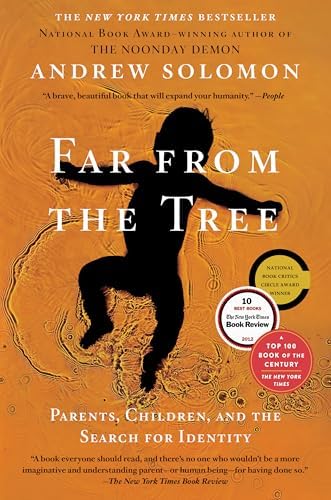
Key topics include the MAOA gene's role in violence, Norway's approach to mass murder sentencing, embryo selection ethics, and whether modern society unfairly burdens men by requiring greater behavioral containment. Harden draws insights from Far from the Tree by Andrew Solomon and Richard Reeves' Of Boys and Men while challenging both genetic determinism and blank slate thinking.
Academic Backlash and the Doppelganger Effect
After publishing The Genetic Lottery, Harden faced academic controversy where critics misrepresented her arguments, creating what Sally Rooney describes in Normal People as a doppelganger wearing your name but saying opposite things.
"I felt like some people needed to turn me into a villain in order to get their own message out" - Harden, describing how academics distorted her work on genetic influences
Her father, a former Navy fighter pilot, advised that "you always get the most fire when you're directly over the target," helping her understand the intensity of reactions to genetics research.
Massive Study Reveals Genetic Architecture of Risk-Taking
The 4 million person study examined DNA from UK Biobank, 23andMe, and All of Us participants to identify genes common across seven risk-taking behaviors: ADHD, early sexual activity, multiple partners, cannabis use, problematic alcohol use, smoking, and self-reported risk-taking.
"These are all behaviors that violate some rule... they're all things where people are engaging in a behavior where they might experience consequences or social judgment, and they're doing it anyways" - Harden
Sexual partner counts in the dataset ranged from zero (lifelong abstinent) to 99 (survey maximum), illustrating the vast range of human behavioral variation.
The 80% Heritability of Childhood Antisocial Behavior
Childhood antisocial behavior with callous-unemotional traits shows heritability approaching 80%, nearly matching schizophrenia's genetic influence.
"If your identical twin has schizophrenia, you have a 50-50 shot of developing it yourself, which is way higher than the base rate of 1%" - Harden, explaining heritability benchmarks
Children who hurt others without guilt or remorse represent the most heritable subtype of conduct problems, yet we have the fewest effective treatments for them.
Parents and teachers typically respond with avoidance or harshness to callous children, but harsh punishment actually escalates antisocial behavior in these kids who don't learn well from negative consequences.
The MAOA Gene and X-Linked Violence
A rare MAOA gene mutation on the X chromosome caused extreme antisocial behavior in one Dutch family's males - including rape, arson, and stabbing a boss with a pitchfork - while their sisters remained completely normal.
"You can change one letter of your genome that changes one gene, which changes one enzyme, and that capacity [for morality] is really, if not destroyed, very, very impaired" - Harden
Men only have one X chromosome, making them vulnerable to X-linked genetic variants, while women have two X chromosomes that can compensate for mutations.
The affected men were indistinguishable from other violent offenders in the criminal system - only family pattern analysis revealed the genetic cause.
The Neuroscience of Retribution and Moral Pleasure
Brain scans show dopamine release in reward centers when people see perceived wrongdoers suffer, suggesting retribution is an evolved cooperation enforcement mechanism.
"Children will pay stickers... in order to see someone who has been portrayed as taking away a ball clubbed by a puppet" - research showing 5-year-olds pay costs to see punishment
"If that person was a wrongdoer, then I could alchemize that pain into pleasure" - Harden explaining how empathy transforms into satisfaction when victims are seen as deserving
This creates temptation to search for ways victims might have deserved their fate, allowing observers to feel moral pleasure rather than empathic pain.
Norway's Radical Approach to Mass Murder
Anders Breivik, who killed 60+ children, received Norway's maximum sentence of 21 years in conditions resembling a hotel room rather than American-style harsh imprisonment.
"This person did a horrible thing. We have our maximum retributive impulses towards him... And he is still one of us" - Harden describing Norwegian trial philosophy
Norway's approach reflects concern that indulging maximum retributive impulses would corrupt their society, even toward someone who committed the worst crime in their history.
The sentence can be extended if he remains dangerous, prioritizing public safety while maintaining commitment to rehabilitation over pure punishment.
Genetic Information Makes Juries More Punitive
Experimental studies show people recommend longer prison sentences when told a violent criminal inherited aggressive tendencies, contrary to expectations that genetic information would be mitigating.
"People who believe that violence can be inherited... actually suggested higher prison terms rather than lower" because they view genetic predisposition as permanent character flaw
Environmental causes (abuse, poverty) are seen as mitigating circumstances, while genetic causes trigger genetic essentialism - the belief that genes reveal someone's true, unchangeable nature.
This reflects the difference between genetic determinism (genes made me do it) and genetic essentialism (genes make me a bad person).
Embryo Selection and the Choice-Chance Transformation
Embryo selection transforms historically chance genetic events into parental choices, potentially changing societal solidarity for genetic conditions like Down syndrome.
"How does something becoming a choice, particularly around the body, change everyone else's experience, even if they don't make that choice?" - Harden on societal implications
Iceland and Denmark have near-universal Down syndrome screening with most affected pregnancies terminated, shifting perception from 'this happens' to 'you chose this.'
IVF doctors already select embryos visually for symmetry and health, making genetic screening feel like adding information to existing selection rather than creating new choices.
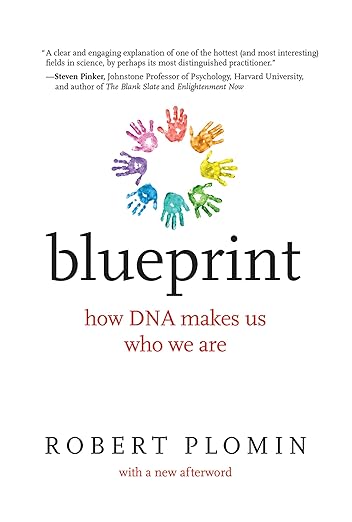
Blueprint by Robert Plomin and The Genetic Lottery are essential reading, yet "the number of people who actually understand the genetic influence on behavior is essentially zero."
Modern Society's Unfair Burden on Male Nature
Richard Reeves argues in Of Boys and Men that asking 5-year-old boys to developmentally match girls in school settings is unfair, proposing to 'redshirt' all boys with an extra year.
"There is no culture on earth before industrial capitalism that was like, do you know what we should do with our 12 and 13 year old pubertal boys? We should put them inside all day" - Harden on modern schooling
Men may face greater effort requirements for emotional containment in domesticated society, being asked to operate further from their genetic set point than women on average.
The gap between young men and women in their perception of society, politics, and hope for the future is "really sad and alarming" according to Harden.




These notes may contain occasional inaccuracies. Learn how podbrain notes are made
More in Self-Development

Can the Middle Class Be Saved? Political Division, Economic Doom & The Leadership Problem | Andrew Bustamante Pt. 2
Jun 20, 2026
The Career Trap That Makes Women Miserable - Suzanne Venker - #1113
Jun 20, 2026
How Immigration and War Test the Strength of Values and National Identity
Jun 19, 2026
7 Strategies for Becoming a Better Father | FRIDAY FIELD NOTES
Jun 19, 2026
ELECTROMAGNETISM Is The SECRET To Health: Biofield Tuning Explained | Eileen McKusick
Jun 15, 2026
.svg)