
Paul Rosolie - Uncontacted Tribes, Jungle Warfare & Being Eaten Alive
Paul Rosolie is an American conservationist, author of Jungle Keepers What It Takes to Change the World, and founder of Jungle Keepers, an organization protecting Amazon rainforest in Peru. Chris Williamson hosts this conversation exploring Rosolie's...

Episode


- 01
Paul Rosolie survived being stung by an Amazonian stingray, describing it as "level 10" pain that required traditional indigenous treatment with boiling hot plant poultices
- 02
Jungle Keepers has protected 130,000 acres of Amazon rainforest by converting loggers and gold miners into conservation rangers, paying them three times their previous wages
- 03
The Amazon produces 20 trillion liters of water daily in an invisible "mist river" above the forest - more water than flows in the Amazon River itself
- 04
Recent first contact with uncontacted Nomole tribes resulted in clear footage, with the tribe requesting "bananas and stop cutting down our trees"
- 05
Scientists warn that losing more than 20% of the Amazon could trigger an irreversible tipping point where the rainforest becomes a dried savanna
- 06
Rosolie needs $20 million in the next 18 months to protect the remaining 170,000 acres required for Peru to designate the area as a national park
- 07
The Discovery Channel's "Eaten Alive" anaconda stunt in 2014 destroyed Rosolie's early career, forcing him into exile but ultimately strengthening his conservation focus
- 08
Since 1970, Earth has lost 50% of its wildlife abundance, making current conservation efforts critical for preventing the "sixth extinction"
Get the latest ideas from Chris Williamson.
Plus the best new takeaways from other top podcasts — read in minutes, not hours.
By continuing, you agree to podbrain's Terms and Privacy Policy.
These notes may contain occasional inaccuracies. Learn how podbrain notes are made
Paul Rosolie is an American conservationist, author of Jungle Keepers What It Takes to Change the World, and founder of Jungle Keepers, an organization protecting Amazon rainforest in Peru. Chris Williamson hosts this conversation exploring Rosolie's two-decade journey from a dyslexic teenager inspired by Jane Goodall's stories to a frontline defender of one of Earth's most biodiverse ecosystems.
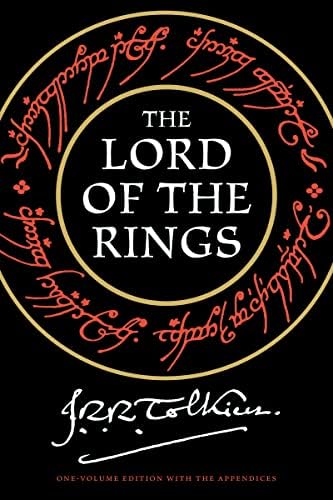
The discussion covers Rosolie's most dangerous encounters in the Amazon, from surviving a stingray attack and bullet ant stings to recent first contact with uncontacted indigenous tribes. Rosolie explains how his childhood reading of adventure literature like The Lord of the Rings and Sherlock Holmes stories, alongside James Herriot's animal tales, shaped his desire to leave conventional education for Amazon exploration.
Central to the conversation is Jungle Keepers' innovative approach to conservation: converting loggers and gold miners into forest rangers by offering better pay and working conditions. Rosolie details the urgent timeline facing the Amazon, where crossing a 20% deforestation threshold could trigger irreversible ecological collapse, and his organization's race to secure 300,000 acres of protection before that tipping point.
Surviving the Amazon's Most Dangerous Encounters
A stingray attack in an Amazon stream left Rosolie with a "steak knife-sized" barb that flayed skin from his foot while injecting venom, causing "level 10" pain for five hours.
Indigenous healers treated the wound with boiling hot plant poultices that "sucked out the venom," allowing Rosolie to walk within two days compared to months of recovery with Western medicine.
Bullet ants deliver the most painful venom on Earth, holding victims with mandibles while stinging, causing fever and a "panicked feeling" that "something's going wrong" - Rosolie has been stung 12-13 times.
Walking barefoot in the Amazon is actually safer for hunting and navigation, providing better balance and quieter movement despite risks from thorns, venomous snakes, and bullet ants.
The Amazon's Critical Tipping Point and Invisible Water Cycle
The Amazon produces 20 trillion liters of water daily in an "invisible mist river" above the forest canopy - more water than flows in the Amazon River itself.
Scientists warn that losing more than 20% of Amazon forest (currently at 20% lost) could break this water cycle, causing the rainforest to dry out and become irreversible savanna.
The Amazon formed 33-55 million years ago and produces "a fifth of our planet's oxygen" and "a fifth of the fresh water," making its preservation critical for global climate stability.
Unlike natural wildfires, Amazon fires are entirely human-caused - "you actually can't start a fire in the Amazon" naturally due to constant moisture.
Converting Enemies Into Allies: The Jungle Keepers Model
Jungle Keepers converts loggers and gold miners into conservation rangers by offering three times their previous $15/day wages plus medical benefits and steady employment.
"We started asking our enemies, the loggers and the gold miners, if they'd like to join our team" - Rosolie explains the counterintuitive approach of recruiting from destructive industries.
The organization has protected 130,000 acres ("more than half the size of Singapore") with 85% of donations going directly to land acquisition and ranger pay.
Peru will designate the area as a national park if Jungle Keepers reaches 300,000 acres protected, requiring $20 million in the next 18 months to purchase remaining land.
First Contact With Uncontacted Tribes
The Nomole (traditionally called Mashko Piro) tribe made recent contact, with 30+ naked warriors crossing a river to request "bananas and stop cutting down our trees."
These "Stone Age warriors" live as nomads in the protected territory, using seven-foot bamboo arrows with vulture feathers that "spin" for accuracy and devastating impact.
Communication occurred through overlapping indigenous languages, with Rosolie raising his hands in peace and the tribe singing "nomole" (brothers) back in a "historically significant" moment.
The day after peaceful contact, 200 tribe members fired "a rain of arrows" at boats, demonstrating the unpredictable and dangerous nature of these interactions.
From Discovery Channel Disaster to Conservation Success
The 2014 Discovery Channel "Eaten Alive" anaconda stunt "destroyed my career professionally" when producers misrepresented the show, leading to public backlash and professional exile.
"That was one of the best things that ever happened to me" - the failure taught Rosolie to "spot that false handshake a thousand miles away" in future business dealings.
The setback forced years of isolated jungle work that ultimately strengthened his conservation knowledge and led to the successful Jungle Keepers model.
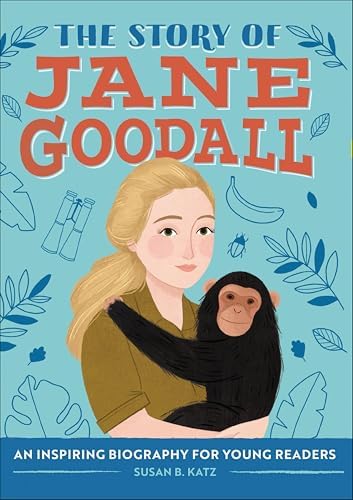
Jane Goodall's endorsement of his book Jungle Keepers What It Takes to Change the World provided the "Excalibur sword" to launch his conservation organization after reading his story among hundreds of fan letters.
The Philosophy of Obsession and Long-term Thinking
Williamson distinguishes between discipline ("friction accepted"), motivation ("I want to do the thing"), and obsession ("I can't not do the thing") as the driving force behind transformative work.
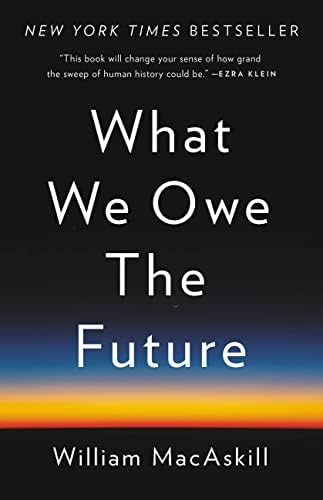
What We Owe the Future by William MacAskill explores "ethical inheritance" - humanity's duty to unborn generations facing the consequences of current environmental destruction.
"We've lost 50% of the wildlife on our planet" since 1970, making current conservation efforts critical for preventing the "sixth extinction" and ecological collapse.
Rosolie's childhood inspiration came from parents reading Jane Goodall's stories, Lord of the Rings, Sherlock Holmes, and James Herriot tales, creating a foundation for adventure and wildlife conservation.



These notes may contain occasional inaccuracies. Learn how podbrain notes are made
More in Self-Development
Can the Middle Class Be Saved? Political Division, Economic Doom & The Leadership Problem | Andrew Bustamante Pt. 2
Jun 20, 2026
The Career Trap That Makes Women Miserable - Suzanne Venker - #1113
Jun 20, 2026
How Immigration and War Test the Strength of Values and National Identity
Jun 19, 2026
7 Strategies for Becoming a Better Father | FRIDAY FIELD NOTES
Jun 19, 2026
ELECTROMAGNETISM Is The SECRET To Health: Biofield Tuning Explained | Eileen McKusick
Jun 15, 2026


.svg)