
Ben Horowitz On What Makes a Great Founder
Ben Horowitz, co-founder and general partner at Andreessen Horowitz, speaks with Brian Halligan, partner at Sequoia Capital and former CEO of HubSpot. The conversation explores Horowitz's 15+ years of experience backing and coaching founder CEOs, drawing from insights in his books...

Episode


- 01
Ben Horowitz didn't feel confident as CEO until four years in, despite going public at 18 months - "that feeling is more normal than most founders admit"
- 02
The VP of sales hire fails more than any other executive role because engineers and salespeople are "culturally different" - engineers seek correct answers while salespeople ask "why are you asking me that question?"
- 03
Decision debt is "the worst kind because it paralyzes everything downstream" - hesitation on firing underperforming executives or making tough calls compounds organizational problems
- 04
Great sales leaders from companies like PTC succeeded because "the product wasn't that great" - forcing discipline in complex, competitive selling environments that translates to any product
- 05
Culture is defined by behaviors, not values - "everyone has the same platitudes" but actual culture emerges from specific actions like being on time to meetings and how you treat company money
- 06
The best CEOs like Zuckerberg, Jensen, and Elon share "astoundingly good people skills" despite being perceived as nerds, plus aggressive questioning and bluntness in pursuing truth
- 07
Founder mode works when hiring senior executives but managing them directly, not when avoiding experienced hires entirely - "you need to learn enough about that job to feel confident managing that person"
- 08
Ali Goetzi at Databricks exemplifies exceptional CEO traits: PhD-level intelligence, strong go-to-market skills, and "absolutely paranoid" mindset shaped by being a refugee from Iran
Get the latest ideas from a16z.
Plus the best new takeaways about sales from other top podcasts — read in minutes, not hours.
By continuing, you agree to podbrain's Terms and Privacy Policy.
These notes may contain occasional inaccuracies. Learn how podbrain notes are made
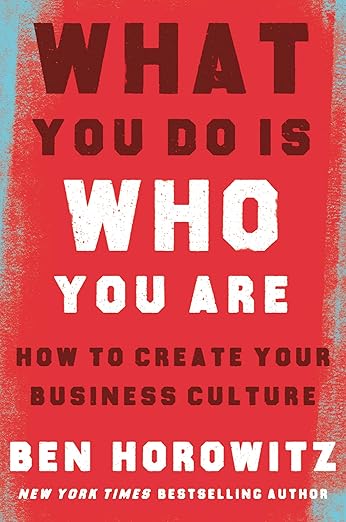
Ben Horowitz, co-founder and general partner at Andreessen Horowitz, speaks with Brian Halligan, partner at Sequoia Capital and former CEO of HubSpot. The conversation explores Horowitz's 15+ years of experience backing and coaching founder CEOs, drawing from insights in his books The Hard Thing About Hard Things and What You Do Is Who You Are.
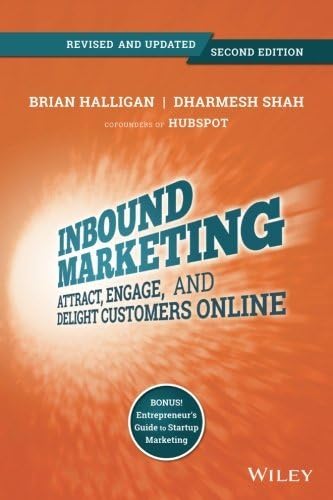
The discussion covers why VP of sales hires fail more than any other executive role, the dangers of decision debt that paralyzes organizations, and what separates great CEOs like Mark Zuckerberg, Jensen Huang, and Elon Musk from those who fail. Halligan shares the story of HubSpot's failed pitch to Andreessen Horowitz, where his book Inbound Marketing was recognized by their marketers, and how Horowitz's feedback on their COO hire ultimately benefited the company.
The conversation examines where founder mode works versus where it's taken too far, the cultural lessons from companies like PTC that created exceptional sales talent, and why the best companies require aggressive questioning and constructive confrontation to surface truth quickly.
Why VP of Sales Hires Fail More Than Any Other Role
Engineers and salespeople are "culturally different" - when asked a question, "100% of engineers try to think of the correct answer" while salespeople first think "why are you asking me that question?"
Good sales candidates often get rejected because they qualify the CEO during interviews, while bad ones get hired for being enthusiastic about the company without asking tough questions
At Okta, Todd McKinnon wanted to hire the enthusiastic candidate over Adam Ahrens, but Horowitz insisted on Ahrens because "you don't want the sales guy all enthusiastic, you want them to be qualifying you"
The key question for sales leader candidates: "Who are you bringing with you?" - great sales leaders have followers who will join them, while mediocre ones have nobody
Decision Debt Paralyzes Everything Downstream
The universal founder mistake is hesitation - "I see something bad, I really need to fire the head of sales" but thinking about press, board reactions, and everything except "can this person do the job"
Decision debt is "the worst kind because it paralyzes everything downstream" - when CEOs avoid tough calls, it creates organizational gridlock that compounds over time
Founders fail not from lack of intelligence but from hesitation - "if you don't trust your eyes as CEO and go run at the problem and make the decision, you're going to fail"
The other dangerous pattern is over-deferring to smart hires - "nobody other than the CEO has the contacts to make that decision, nobody sees the whole picture"
The PTC Sales Training Ground That Built Silicon Valley
PTC created exceptional sales talent because "the product wasn't that great, particularly the windshields didn't work" - forcing salespeople to develop discipline in complex, competitive environments
The PTC approach required systematic competitor trap-setting, comprehensive technical and business cases, and mapping every decision-maker in complex organizational processes
Today's equivalent might be companies selling "secure FTP" as a public company - products so hard to sell that success requires exceptional discipline and competitiveness
The key distinction: hire someone who "wrote the playbook" for selling complex software rather than someone who "joined VMware when it was on fire and got a big position" running an existing playbook
What Great CEOs Actually Have in Common
The best CEOs like Zuckerberg, Jensen, and Elon have "astoundingly good people skills" despite being perceived as nerds - "people underestimate them"
Great founders "truly think for themselves" and aren't influenced by room-reading or investor opinions - "you can figure out if they're not that during the pitch for sure"
Ali Goetzi at Databricks exemplifies the best traits: PhD-level intelligence, exceptional go-to-market skills competing with Snowflake, and "absolutely paranoid" mindset from being a refugee
The Colin Powell leadership definition applies: "leadership is the ability to get people to follow you, if only out of curiosity" - would top talent want to work for this person?
Culture Is Behaviors, Not Values
As explained in What You Do Is Who You Are, culture problems don't emerge until companies get big - "at the startup phase, you're managing culture by hand unconsciously"
"People think of culture as values - 'we have a culture of integrity' - and those things aren't really anything, they're just platitudes. The actual thing is behaviors"
At Andreessen Horowitz, the rule is "you can't make yourself look smart by making somebody else look dumb" - especially with entrepreneurs on Twitter, which results in immediate firing
The "no asshole rule" doesn't work - instead, define specific unacceptable behaviors while allowing high standards and direct feedback within clear parameters
Founder Mode: Where It Works and Where It Goes Too Far
Paul Graham's founder mode concept correctly identifies the problem of over-deferring to senior hires, creating "fiefdoms, politics, all kinds of weird stuff"
The danger is founders taking it too far: "I don't want to hire any senior people" when competing globally requires years of experience and relationships you "could just buy today"
Jensen Huang's 60 direct reports model requires "CEO caliber" people who are autonomous - "I'm not developing you" and enough confidence to "walk in and understand what's going on"
Most founders need to develop that confidence over time - "Zuckerberg didn't have that the whole way, he deferred half the company to Sheryl until he could build his confidence"
The Confidence Timeline: Four Years to Feel Competent
Horowitz "didn't really feel like I knew what I was doing probably till four years into it" despite going public at 18 months - "that feeling is more normal than most founders admit"
Confidence comes from "enough reps at it" - the more confident in judgment, the faster decisions, the less caring about mistakes or what people think
Venture capital is "way easier" than entrepreneurship - "you have one shot and you have to make it work" with direct consequences for mistakes and ticking clocks
The pressure difference is stark - tech companies can grow to "thousands of people and then lay them all off," while venture capital failures affect fewer people with multiple funding sources


These notes may contain occasional inaccuracies. Learn how podbrain notes are made
More in Science & Tech

The 5-Minute AI Weekly Recap: Realignment Week
Jun 20, 2026
Why Kalshi's John Wang Says Perps Are 'the Most Pure Trading Instrument'
Jun 19, 2026Your Company Doesn’t Need an AI Strategy
Jun 19, 2026
The data black hole at the center of AI
Jun 19, 2026
The New Rules of Media | Marc Andreessen & Ben Horowitz
Jun 19, 2026
UFO Researcher Details The STRANGEST Alien Encounters - Preston Dennett | DEBRIEFED ep 93
Jun 19, 2026
More episodes with Ben
Ben Horowitz: RSI, Crypto as AI Money, & Classified Physics
Ben Horowitz - Backing America’s Future - [Invest Like the Best, EP.457]
![Thumbnail for Ben Horowitz - Backing America’s Future - [Invest Like the Best, EP.457]](https://podbrain.gumlet.io/storage/v1/object/public/thumbnails/taddy-f6ee2240-ef52-41f8-8704-93d9fa693d51.webp?w=200&h=113&mode=fill&q=80&format=auto)
David Solomon & Ben Horowitz on Building Organizational Resilience & Navigating Macro Uncertainty
Ben Horowitz and Balaji Srinivasan on Netscape and Network States
The Hidden Economics Powering AI
.svg)