
Is climate denialism on the rise? Prof Katharine Hayhoe on science, faith and algorithms
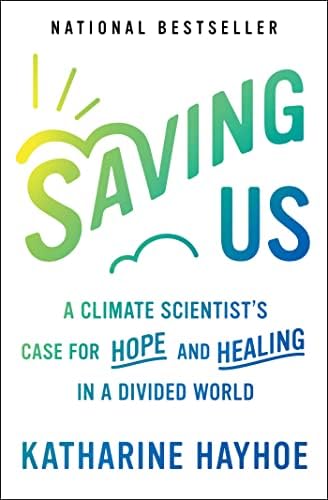
Katherine Hayhoe is a climate scientist, evangelical Christian, and author of Saving Us A Climate Scientist's Case for Hope and Healing in a Divided World. Based in Texas, she specializes in communicating climate science to conservative audiences who might...

Episode


- 01
Polling data shows more people worldwide are worried about climate change today compared to two years ago, despite increased online rhetoric
- 02
Social media algorithms have amplified climate misinformation by 10-15 times, with false information spreading six times faster than accurate information
- 03
China's clean energy exports alone reduced global emissions by 1% last year, signaling rapid progress toward economic tipping points
- 04
The most effective climate action isn't recycling or personal carbon footprints - it's using your voice to advocate for change
- 05
Climate denial serves one purpose: preventing action by convincing people that solutions pose greater threats than climate change itself
- 06
Faith-based values are 'uniquely suited, perfectly suited to motivate climate action' according to evangelical climate scientist Katherine Hayhoe
- 07
Every bit of warming avoided matters - if we aim for 1.5°C and reach 1.6°C, that's still better than 1.7°C
- 08
Hope requires three ingredients: recognizing things are bad, believing a better future is possible, and identifying pathways to get there
Get the latest ideas from World Economic Forum.
Plus the best new takeaways about energy from other top podcasts — read in minutes, not hours.
By continuing, you agree to podbrain's Terms and Privacy Policy.
These notes may contain occasional inaccuracies. Learn how podbrain notes are made
Katherine Hayhoe is a climate scientist, evangelical Christian, and author of Saving Us A Climate Scientist's Case for Hope and Healing in a Divided World. Based in Texas, she specializes in communicating climate science to conservative audiences who might view the issue through a political rather than scientific lens.
This Radio Davos episode, hosted by Robin Pomeroy, revisits Hayhoe two years after her previous appearance to assess whether climate denialism is truly on the rise. Her findings challenge conventional wisdom about public opinion trends.
The conversation covers the disconnect between social media rhetoric and actual polling data, the role of algorithms in amplifying misinformation, and how proximity to clean energy tipping points is driving last-ditch resistance efforts.
Hayhoe discusses her 'head, heart, and hands' framework for climate conversations, shares data on social media algorithm changes, and explains how faith-based values can motivate climate action rather than hinder it.
Public Opinion vs. Social Media: The Real Climate Sentiment
Despite increased online climate denial rhetoric, polling data shows more people worldwide are worried about climate change today compared to two years ago, driven by direct experience with extreme weather events.
"Today, compared to two years ago, more people have been or they know people who have been directly affected by extreme weather" - Katherine, explaining why concern has actually increased globally.
The gap between worry and action persists because "worry is important, but it's not enough" - people need to connect climate impacts to their personal values and identify concrete actions they can take.
Algorithm Amplification: How Social Media Distorts Climate Discourse
Hayhoe documented a 10-15 times increase in trolling and harassment on X (formerly Twitter) over the past two years, with algorithm changes amplifying false information.
"Compared to two years ago, we are facing a much more uphill battle online as algorithms have been changed, whether deliberately or not" - Katherine, describing platform changes.
An MIT study found false information spreads six times faster than accurate information on Twitter, creating an inherently uneven playing field for climate scientists.
Platform differences emerged during the US election period, with Hayhoe's Threads account growth freezing while her Blue Sky account continued expanding at the same rate.
Clean Energy Tipping Points Drive Resistance Escalation
Multiple countries have passed economic tipping points for electric vehicles and solar energy plus storage, with China installing more solar annually than the US has in its entire history.
Pakistan installed more solar energy in one year than Canada has in its entire history, demonstrating the global acceleration of clean energy adoption.
"What we're seeing today is the last ditch effort to prevent the transition to a sustainable world" - Katherine, explaining increased resistance as clean energy approaches dominance.
China's clean energy technology exports reduced global emissions by 1% last year alone, even accounting for fossil fuels used in production.
The Political Weaponization of Climate Science
In the 1990s, Republicans and Democrats were "neck and neck" on climate concern at just under 50%, but deliberate framing efforts created today's political divide.
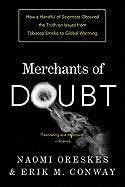
Merchants of Doubt explains how climate solutions were systematically framed as threats to conservative values in the US, while The Petroleum Papers documents similar efforts in Canada.
"A thermometer does not give you a different answer depending on the way you vote" - Katherine, emphasizing that climate science has no inherent political bias.
Within 10 years of the 1990s baseline, political affiliation became the strongest predictor of climate acceptance - stronger than education, intelligence, or science knowledge.
Solutions-First Approach: The Solar Panel Story
Climate scientist John Cook's father rejected climate science for years despite his son creating the premier climate denial debunking website, Skeptical Science.
When Cook's father installed solar panels for financial independence reasons, he began saving money monthly and eventually declared: "Oh yes, global warming. That's such a serious issue, and I've always thought so."
The transformation occurred because "the solutions became part of his dad's identity" - making him more thrifty, independent, and smart than he already was.
Cook's father later campaigned for solar panels at his assisted living facility, demonstrating how solution adoption can create climate advocates.
Faith as Climate Action Catalyst
"Faith-based values are actually uniquely suited, perfectly suited to motivate climate action" because most faiths emphasize stewardship and caring for the vulnerable.
Hayhoe reconciles faith and science by explaining that "science is the evidence of what we do see" while "faith is the evidence of what we do not see" - two sides of the same coin.
For young earth creationists who believe the planet is 6,000 years old, ice core data showing 200 years of unprecedented warming should be even more alarming than for others.
Biblical passages like Genesis 1 give humans "responsibility over every living thing on this earth," providing theological justification for climate stewardship.
Practicing Hope as an Olympic Sport
"I practice hope. I practice it like an Olympic sport" - Katherine, explaining her approach to maintaining motivation despite climate challenges.
Hope requires three ingredients: recognizing things are bad, believing a better future is possible, and identifying pathways to get from here to there.
Climate science supports hope because "every bit of warming we avoid matters" - if we aim for 1.5°C and reach 1.6°C, that's still better than 1.7°C.
Hayhoe's weekly newsletter "Talking Climate" shares good news about solutions, impacts on daily life, and actionable steps using her "head, heart, and hands" framework.

These notes may contain occasional inaccuracies. Learn how podbrain notes are made
More in Politics & Society

And, This Is Why Reid Hoffman Doesn’t Fear Artificial Intelligence
Jun 19, 2026And, This Is Hunter Biden Like You've Never Heard Him Before
Jun 12, 2026
Better Sex, Better Hair, Better Sleep: ‘Humanmaxxing’ Is Here
Jun 11, 2026
Introducing: OnlyFantasy (Leon's New Podcast)
May 21, 2026
Three young leaders changing the world one step at a time
May 21, 2026
.svg)