
Michael Lester - Is the United States Going to War with Iran For Israel?
Michael Lester returns to discuss the escalating conflict with Iran and Israeli influence over U.S. foreign policy. Lester is a decorated Marine Corps combat pilot, Naval Academy graduate, and MENSA member with a master's in electrical engineering and MBA. He served across Asia and the Middle East, later teaching at...

Episode


- 01
Joe Kent resigned as Director of National Counterterrorism Center, stating 'Iran posed no imminent threat to our nation, and it is clear that we started this war due to pressure from Israel'
- 02
Senator Lindsey Graham traveled to Israel multiple times, meeting with intelligence agencies and 'coaching' Netanyahu on how to lobby Trump for military action against Iran
- 03
Tulsi Gabbard testified that there is no evidence Iran is building nuclear weapons, contradicting the primary justification for the current conflict
- 04
The U.S. pulled out of the 2015 Iran nuclear deal in 2018, which had allowed international inspectors to verify Iran's compliance with non-proliferation agreements
- 05
80% of U.S. congressmen list AIPAC, AIPAC PAC, or United Democracy Project as their largest primary campaign funders, demonstrating extensive Israeli political influence
- 06
Christian Zionists represent 25% of the U.S. population and believe Jews must control Jerusalem for the second coming, creating a powerful voting bloc supporting Israel
- 07
The Scofield Reference Bible from 1909 interpreted Genesis 12:3 to mean Christians must support Jews in Israel forever, shaping evangelical political views
- 08
Iran's military strategy focuses on asymmetric warfare using $20,000 drones against $4 million Patriot missiles, creating a 200-to-1 cost disadvantage for the U.S.
Get the latest ideas from The Shawn Ryan Show.
Plus the best new takeaways about military & strategy from other top podcasts — read in minutes, not hours.
By continuing, you agree to podbrain's Terms and Privacy Policy.
These notes may contain occasional inaccuracies. Learn how podbrain notes are made
Michael Lester returns to discuss the escalating conflict with Iran and Israeli influence over U.S. foreign policy. Lester is a decorated Marine Corps combat pilot, Naval Academy graduate, and MENSA member with a master's in electrical engineering and MBA. He served across Asia and the Middle East, later teaching at the Naval Academy and currently working as an adjunct cybersecurity professor while running Ironclad Family, a personal information protection company.
The conversation examines how Operation Epic Fury, launched February 28th, appears to follow the playbook outlined in Lester's book We Are the Bad Guys How the U.S. Wages War, Controls Economies, and Calls It Freedom. With Joe Kent's resignation as National Counterterrorism Center Director and mounting evidence of Israeli lobbying influence, the discussion explores whether America is fighting another nation's war.
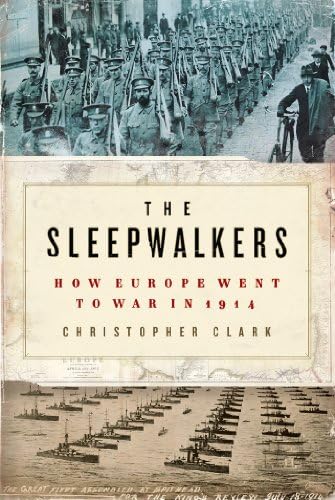
Key topics include the role of AIPAC and related organizations in funding congressional campaigns, the influence of Christian Zionism rooted in the Scofield Reference Bible, and historical parallels to World War I mobilization described in The Sleepwalkers and The Guns of August. The analysis covers Iran's asymmetric military capabilities, economic impacts on global oil markets, and potential consequences for American military readiness amid multiple global commitments.
Israeli Lobbying and Congressional Influence Operations
Senator Lindsey Graham traveled to Israel multiple times, meeting with intelligence agencies and coaching Netanyahu on lobbying Trump: 'They'll tell me things our own government won't tell me' - Graham
AIPAC operates through multiple organizations including AIPAC PAC and United Democracy Project, a super PAC that doesn't report donors but only funds Israel-supportive candidates
80% of U.S. congressmen list AIPAC, AIPAC PAC, or United Democracy Project as their largest primary campaign funders, demonstrating systematic political influence
The American Israeli Education Foundation funds all-expense-paid trips for congressmen and senators to Israel, with almost every member of Congress having participated
The Nuclear Weapons Justification Falls Apart
Tulsi Gabbard testified before Congress that there is no evidence Iran is building nuclear weapons, contradicting the primary war justification
The IAEA director stated there is absolutely no evidence Iran possesses or is developing nuclear weapons, confirming U.S. intelligence assessments
Trump withdrew from the 2015 Iran nuclear deal (JCPOA) in 2018, which had required Iran to allow international inspectors and avoid weapons-grade enrichment
On February 27th, Oman announced Iran had agreed to all U.S. demands: no nuclear material refinement, no stockpiling, and inspection access - the next morning, the U.S. bombed Iran
Christian Zionism and the Scofield Bible's Political Impact
Christian Zionists represent 25% of the U.S. population, believing Jews must control Jerusalem for the second coming, creating a powerful electoral bloc
The Scofield Reference Bible, published in 1909, interpreted Genesis 12:3 to mean Christians must support Jews in Israel forever, shaping evangelical political theology
Jewish lawyer Untermeyer bankrolled the Scofield Reference Bible's publication and distribution to promote Zionist causes among American Christians
With 50-60% voter turnout, Christian Zionists represent 40-50% of the actual voting population, explaining congressional support for Israeli policies
Iran's Asymmetric Military Strategy and U.S. Vulnerabilities
Iran uses $20,000-$35,000 Shaheed drones against $4 million Patriot missiles, creating a 200-to-1 cost disadvantage that favors prolonged conflict
The U.S. spent $4 billion in munitions during the first week of the Iran war, immediately requiring massive resupply contracts for the military-industrial complex
Iran's mountainous terrain and coordinated military mirror Afghanistan's challenges, but with a functional government and military that fought the Iran-Iraq war
Iran has no intercontinental ballistic missiles threatening the U.S., with their missile systems primarily targeting Israel and regional oil infrastructure
Historical Parallels to World War I Mobilization
The Sleepwalkers by Christopher Clark describes how European nations sleepwalked into WWI through interconnected obligations, similar to current NATO commitments with Turkey, Kuwait, and Bahrain
The Guns of August explains how military mobilization, once started, becomes unstoppable - the U.S. began planning Iran attacks at least a week before the February 28th strike
Three key 1913 factors are repeating: interconnected obligations, undefined endpoints, and mobilization momentum that prevents diplomatic solutions
Turkey invoked NATO Article 4 after Iranian missile strikes, potentially triggering alliance obligations that could escalate the conflict globally
Economic Warfare and Global Oil Market Disruption
Oil prices exceeded $100 per barrel as Iran controls 75% of China's oil supply and 90% of Japan's through the Strait of Hormuz
The U.S. and allies released 15% of strategic petroleum reserves to stabilize prices, depleting emergency supplies during an active conflict
BRICS nations are accelerating plans to abandon U.S. dollar oil trading, as described in Confessions of an Economic Hit Man, potentially devastating American currency value
Middle Eastern business hubs like Dubai and UAE face economic collapse as Iranian missiles make them unsafe for wealthy expat communities and international investment
Congressional Abdication and Constitutional Violations
The Senate voted 53-47 against invoking the War Powers Act to hold Trump accountable for attacking Iran without congressional authorization
The House voted 212-219 against investigating whether Israel violates human rights under the Leahy Act, which prohibits weapons sales to rights violators
Congress abdicated its constitutional war declaration powers by refusing to even question the president's unilateral military action against Iran
Despite 56% of Americans opposing the Iran war according to Gallup polling, representatives ignore constituent opposition to support Israeli interests




These notes may contain occasional inaccuracies. Learn how podbrain notes are made


.svg)