
687. The Odyssey: Hero of the Trojan Horse (Part 1)
In this episode of The Rest Is History, hosts Tom Holland and Dominic Sandbrook embark on a highly detailed, chronological exploration of Homer's monumental epic poem, The Odyssey. They analyze this foundational text alongside its companion epic,...



- 01
In The Odyssey, Odysseus's cleverness is highlighted by his 'nobody' trick against Polyphemus, which saves his crew from certain death.
- 02
As argued in The Raft of Odysseus, the poem's monsters reflect real-world Greek anxieties during the colonization of Sicily.
- 03
In The First Fossil Hunters, Adrienne Mayor suggests that dwarf elephant skulls in Sicily inspired the myth of the one-eyed Cyclops.
- 04
In the underworld, Achilles famously tells Odysseus he would rather be a living serf than rule over the dead.
- 05
Odysseus's men doom themselves by eating the sacred cattle of Hyperion on Thrinacia, violating the warnings of Tiresias.
- 06
Madeline Miller's Circe explores the perspective of the sorceress who turned Odysseus's crew into pigs on the island of Aeaea.
- 07
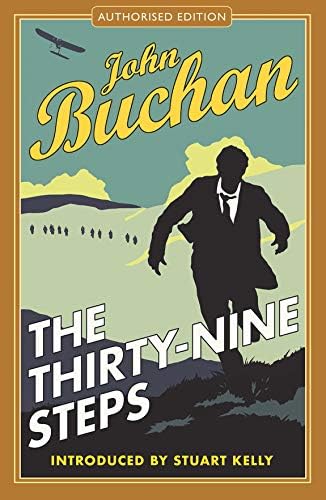
The Rest Is History Book Club analyzes historical epics like The Leopard and adventure classics like The Thirty-Nine Steps.
- 08
The Book Club also explores the historical inspirations behind George R.R. Martin's A Game of Thrones and J.R.R. Tolkien's The Lord of the Rings.
Get the latest ideas from The Rest Is History.
Plus the best new takeaways about history from other top podcasts — read in minutes, not hours.
By continuing, you agree to Podbrain's Terms and Privacy Policy.
These notes may contain occasional inaccuracies. Learn how Podbrain notes are made
In this episode of The Rest Is History, hosts Tom Holland and Dominic Sandbrook embark on a highly detailed, chronological exploration of Homer's monumental epic poem, The Odyssey. They analyze this foundational text alongside its companion epic, The Iliad, tracing the legendary ten-year journey of Odysseus, the cunning King of Ithaca, as he struggles to return home to his faithful wife Penelope and his young son Telemachus following the dramatic sack of Troy.
The hosts examine how the fantastical elements of the narrative reflect the real-world anxieties of ancient Greek sailors and colonists venturing into Sicily and the Western Mediterranean. They dissect iconic episodes, including the terrifying encounter with the Cyclops Polyphemus, the narcotic temptation of the Lotus Eaters, the dangerous sorcery of Circe, and Odysseus's harrowing descent into the underworld. Additionally, they highlight how modern retellings, such as Madeline Miller's novel Circe, continue to reframe these timeless mythological narratives, illustrating the enduring power of Homer's storytelling across millennia.
The Clever King and the Fall of Troy's Hallowed Keep
Tom and Dominic begin the narrative at the end of the 10-year Trojan War, where the Achaeans (Greeks) lay waste to Troy using the Trojan Horse.
Odysseus, King of Ithaca, is described as a 'second division king' who transcends his small kingdom through unmatched cunning and warrior prowess.
The goddess Athena favors Odysseus for his intelligence, declaring: 'You are by far the best of all mortal men for schemes, for your way with words' - Tom.
Odysseus's devotion to his wife Penelope is illustrated by his attempt to feign madness by plowing a beach with salt to avoid going to war.
The epic poem The Odyssey stands alongside The Iliad and the Bible as an absolute building block of Western culture.
Monstrous Encounters and the Anxieties of Colonization
At Ismarus, Odysseus behaves like a Viking, stating: 'I laid waste the city and killed the men after dragging their wives from the city' - Tom.
The crew's habit of holding barbecues on beaches backfires at Ismarus, allowing the locals to rally and kill over 70 Achaean men.
In the land of the Lotus Eaters, Odysseus must drag his blissed-out men back to the ships to preserve their desire for 'nostos' (homecoming).
In The First Fossil Hunters, Adrienne Mayor posits that fossilized dwarf elephant skulls in Sicily may have inspired the one-eyed Cyclops myth.
Carol Dougherty argues in The Raft of Odysseus that the poem's monsters represent contemporary Greek anxieties about settling hostile foreign lands.
Outsmarting Polyphemus and the Curse of Poseidon
Trapped in the cave of the Cyclops Polyphemus, Odysseus uses undiluted wine from the priest Maron to intoxicate the giant.
Odysseus tells the giant his name is 'No One' (Oûtis), a trick that prevents the other Cyclopes from coming to Polyphemus's aid.
After blinding the giant with a sharpened wooden spike, Odysseus and his men escape by clinging to the bellies of Polyphemus's sheep.
Odysseus's hubris leads him to shout his real name back to the shore, prompting Polyphemus to pray to his father Poseidon to curse the hero's journey.
The curse dictates that Odysseus will return home 'late and hapless, after losing all his comrades, on a ship that is not his own' - Tom.
Sorcery on Aeaea and the Descent Into the Underworld
On the island of Aeaea, the goddess Circe uses drugged wine to transform Odysseus's scouting party into pigs.
Armed with the magical 'moly' herb provided by Hermes, Odysseus resists Circe's spells and forces her to restore his men to human form.
As retold in Madeline Miller's novel Circe, the narrative explores the complex dynamics of the sorceress and her island sanctuary.
Circe directs Odysseus to sail to the underworld to consult the blind prophet Tiresias, a journey requiring a trench filled with sheep's blood.
In the underworld, Achilles rejects his heroic legacy, telling Odysseus he would rather be a living serf than rule over the dead.
The Fatal Barbecue and the Solitary Survivor
Circe warns Odysseus to avoid the Sirens by having his crew block their ears with wax while tying him securely to the ship's mast.
To avoid the whirlpool Charybdis, Odysseus steers close to Scylla, losing six men to the monster's six snaking heads.
Stranded on Thrinacia, Odysseus's starving men disobey orders and slaughter the sacred solar cattle of the sun god Hyperion.
Zeus punishes the crew's sacrilege by destroying their ship with a lightning bolt, leaving Odysseus as the sole survivor on a makeshift raft.
Odysseus drifts for nine days before washing ashore on Ogygia, where the goddess Calypso holds him as a captive companion for years.
Literary Explorations in The Rest Is History Book Club
The hosts promote their sister podcast, which analyzes the historical foundations of George R.R. Martin's A Game of Thrones.
The Book Club compares Martin's world-building with J.R.R. Tolkien's classic high fantasy epic, The Lord of the Rings.
Upcoming episodes of the Book Club will feature Giuseppe Tomasi di Lampedusa's historical masterpiece, The Leopard.
Host Dominic Sandbrook highlights his personal selection of John Buchan's classic adventure novel, The Thirty-Nine Steps.


These notes may contain occasional inaccuracies. Learn how Podbrain notes are made
More in History
682. South Africa: Mandela and the Death of Apartheid (Part 6)
Jun 24, 2026
681. Brazil: The Emperor’s Anthem (Part 5)
Jun 21, 2026679. Germany: The Song Hitler Stole (Part 3)
Jun 14, 2026
Tom Holland Meets Paul McCartney
May 14, 2026Greece vs. Persia: The Battle of Marathon (Part 2)
May 13, 2026
.svg)