
Andrew Jarecki
Joe Rogan speaks with filmmaker Andrew Jarecki, director of The Alabama Solution and The Jinx, about his investigations into America's prison industrial complex and high-profile murder cases. Jarecki previously...

Episode


- 01
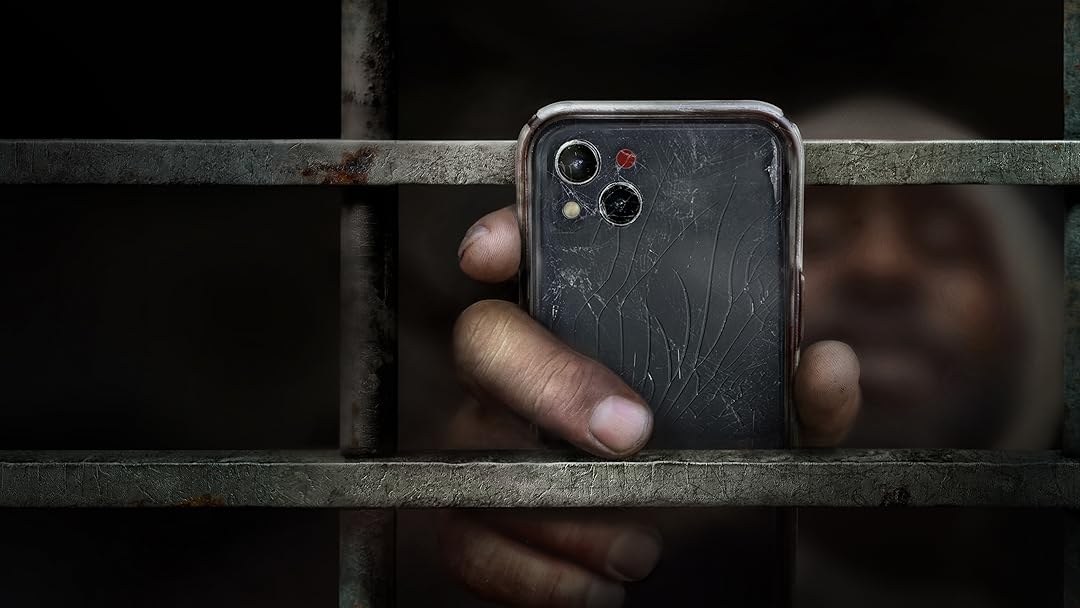
Alabama's prison system has killed 1,500 people since filming began, with guards selling contraband phones that inmates use to document systematic violence and murder
- 02
Prison guard Rod Gadson has been implicated in 24 excessive force cases including Stephen Davis's death, yet received promotions after starring in The Alabama Solution
- 03
Alabama spent $1.3 billion on one prison construction project that started at $300 million, with construction beginning before legislative approval
- 04
Guards make $36,000 annually but earn up to $75,000 by selling drugs and phones to inmates, making corrections departments the largest drug dealing operations
- 05
Robert Durst confessed to three murders in a bathroom while wearing a microphone, saying 'killed them all, of course' after 26 months of hidden audio
- 06
Maine operates the most humane prison system in the US under Randy Liberty, whose father was once incarcerated in the same facility he now runs
- 07
America has 5% of the world's population but 25% of its prisoners, spending $116 billion annually on a system that prioritizes profit over rehabilitation
Get the latest ideas from PowerfulJRE.
Plus the best new takeaways from other top podcasts — read in minutes, not hours.
By continuing, you agree to podbrain's Terms and Privacy Policy.
These notes may contain occasional inaccuracies. Learn how podbrain notes are made
Joe Rogan speaks with filmmaker Andrew Jarecki, director of The Alabama Solution and The Jinx, about his investigations into America's prison industrial complex and high-profile murder cases. Jarecki previously created the narrative film All Good Things and has spent years documenting systemic corruption in criminal justice.
The conversation centers on Jarecki's latest documentary The Alabama Solution, which exposes horrific conditions in Alabama's state prisons through contraband footage filmed by inmates. The discussion reveals how guards sell phones and drugs to prisoners while systematically covering up murders and abuse.
Jarecki also details his work on The Jinx, explaining how he accidentally captured Robert Durst's bathroom confession to three murders after confronting the billionaire heir with handwriting evidence. The filmmaker discusses the broader implications of prison privatization, corporate profit motives, and the failure of rehabilitation in American corrections.
Inside Alabama's Death Trap: Systematic Murder in State Prisons
The Alabama Solution documents 1,500 deaths in Alabama prisons since filming began, with contraband cell phones providing the only window into systematic violence and cover-ups.
Prison guard Rod Gadson stomped Stephen Davis to death with size 15 boots after Davis surrendered, placing his plastic weapon 15 feet away - witnessed by 70 inmates who all confirmed Davis wasn't resisting.
Gadson has been implicated in 24 excessive force cases with two deaths, yet received promotions after starring in the documentary and remains employed by Alabama corrections.
James Sales, who witnessed Davis's murder, was killed with a 'hot shot' cigarette one month before release after telling lawyers he would reveal the truth about the beating.
Guards as Drug Dealers: The $75,000 Contraband Economy
Prison guards earning $36,000 annually supplement income to $75,000 by selling drugs and cell phones to inmates, making corrections departments the largest drug dealing operations in Alabama.
Inmates are more likely to die from overdoses inside prison than on the streets, with 80% becoming addicted to drugs like FLACA and fentanyl that can be absorbed into paper.
The same contraband phones guards sell for profit become the only means for inmates to document murders and abuse, creating an ironic transparency loop.
Robert Earl Counsel caught 11 rats in one night in his solitary cell, sleeping among vermin while guards wrote disciplinaries for hanging food bags to avoid rodents.
The $1.3 Billion Construction Scam: Alabama's Prison Industrial Complex
Alabama's prison construction costs exploded from $300 million to $1.3 billion for one facility, with construction beginning before legislative approval and officials citing 'inflation' as justification.
The DOJ investigation found horrific conditions and recommended addressing corruption, but Alabama's response was building new prisons using COVID relief funds not intended for construction.
Inmates perform forced labor for $2 daily at McDonald's, Burger King, KFC, Hyundai plants, and the governor's mansion, with fees reducing pay to nearly nothing.
Companies like Securus made $12.99 per 20-minute video call by contractually eliminating in-person visits, forcing children to use terminals even when fathers were 20 yards away.
The Jinx: How Robert Durst Confessed to Three Murders
The Jinx began when Jarecki's daughter suggested reading The Sun Does Shine by Anthony Ray Hinton, leading to their Alabama road trip and eventual prison access.
Durst contacted Jarecki after seeing All Good Things, saying 'I cried three times' and agreeing to 21 hours of interviews despite the film depicting him as a killer.
The breakthrough evidence was a letter Durst wrote to Susan Berman matching the 'cadaver' note left by her killer, both misspelling 'Beverly' with an extra 'E'.
Durst's bathroom confession 'killed them all, of course' was discovered 26 months later when editor Shelby Siegel noticed audio waveforms during final editing for HBO.
Maine's Model: Rehabilitation Over Retribution
Maine operates America's most humane prison system under Randy Liberty, who first visited the facility at 14 when his father was incarcerated there.
Maine inmates build detailed tall ship models at proper workbenches, generating millions annually for rehabilitation programs while learning marketable skills.
Liberty's philosophy focuses on preparing the 95% of inmates who will return to society, asking 'are these people we want as neighbors?' rather than writing them off permanently.
The Doe Fund in New York provides beds, bank accounts, uniforms, and street cleaning jobs for former addicts, demonstrating successful reintegration models.
America's Prison Crisis: 25% of World's Prisoners, 5% of Population
The US spends $116 billion annually on prisons, jails, and parole while housing 25% of the world's prisoners despite having only 5% of global population.
Corporate diffusion of responsibility allows individuals to avoid moral accountability, with each person taking 'a tiny measure of responsibility' in massive organizations.
Mental health counseling in solitary confinement requires therapists to kneel and speak through food slots to inmates locked in 5x8 windowless cells for years.
Alabama Attorney General Steve Marshall, running for Senate, defends a system that killed 1,500 people while claiming to protect those with 'no regard for human life'.



These notes may contain occasional inaccuracies. Learn how podbrain notes are made


.svg)