
Noor Siddiqui
This conversation features a detailed discussion of Orchid's embryo screening technology, which enables comprehensive genetic analysis of IVF embryos before implantation. The guest explains how their platform screens entire genomes for thousands of genetic diseases, moving beyond traditional chromosome testing to...


- 01
Orchid enables whole genome screening of embryos for thousands of genetic diseases, moving beyond chromosome-level testing to single-letter DNA analysis
- 02
50% of miscarriages are due to genetic issues in embryos, and over 25% of NICU deaths stem from underlying genetic diseases
- 03
Embryo screening can achieve 30-80% risk reduction for conditions like heart disease, comparable to billion-dollar pharmaceutical interventions
- 04
80% of Americans support embryo screening according to 2024 nationally representative survey data, with 30% considering IVF for genetic benefits
- 05
South Asians face 4x higher heart disease rates with 25% of heart attacks occurring under age 40, making genetic screening particularly valuable
- 06
Single base pair changes can cause dramatic differences - from 8-foot-3 gigantism to 2-foot-7 achondroplasia conditions
- 07
IVF already creates multiple embryos requiring selection - Orchid provides more information for existing decisions rather than creating new moral questions
- 08
Polygenic risk scores show strongest signals at distribution tails, with 95th+ percentile carrying significantly higher disease risk
Get the latest ideas from Network State Podcast.
Plus the best new takeaways about technology from other top podcasts — read in minutes, not hours.
By continuing, you agree to podbrain's Terms and Privacy Policy.
These notes may contain occasional inaccuracies. Learn how podbrain notes are made
This conversation features a detailed discussion of Orchid's embryo screening technology, which enables comprehensive genetic analysis of IVF embryos before implantation. The guest explains how their platform screens entire genomes for thousands of genetic diseases, moving beyond traditional chromosome testing to single-letter DNA analysis.
The discussion covers both monogenic disorders (single-gene diseases) and polygenic conditions (multi-gene traits like heart disease and schizophrenia), demonstrating how genetic screening can achieve 30-80% risk reduction for various conditions. Key topics include the technical capabilities of whole genome sequencing on embryos, the moral arguments for reproductive choice, and survey data showing 80% American support for embryo screening.
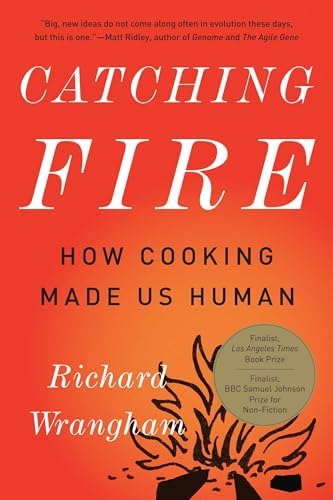
The conversation also explores broader themes about technology adoption, comparing embryo screening to historical medical advances that initially faced resistance. Catching Fire How Cooking Made Us Human is referenced to illustrate how technology has always defined human evolution, with cooking allowing our ancestors to externalize metabolism and develop larger brains.
How Orchid's Embryo Screening Technology Works
Orchid analyzes 5-cell biopsies from day-5 embryos containing just 30 picograms of DNA, reading every single base pair rather than just chromosome-level information
The process screens embryos that are microscopic - smaller than grains of sand and invisible to the naked eye - during standard IVF procedures
Traditional genetic testing only detects missing or extra chromosomes, like a proofreader who can only tell you if a book has missing chapters, not typos within chapters
Whole genome sequencing detects insertions, deletions, and single base changes across thousands of cataloged genetic diseases that individually are rare but collectively affect 10% of Americans
Medical Impact and Risk Reduction Capabilities
50% of miscarriages result from genetic issues in embryos, while over 25% of NICU deaths stem from underlying genetic diseases that could be screened
Embryo screening achieves 30-55% risk reduction with just 5 embryos in worst-case scenarios where both parents are high-risk, reaching 80% reduction when parents have average risk
These risk reductions exceed performance of billion-dollar pharmaceutical drugs that typically achieve only 30% relative risk reduction and require lifelong adherence
South Asians face particularly high genetic disease burden - 4x higher heart disease rates with 25% of heart attacks occurring under age 40 and 50% under age 50
Single Gene Changes Create Dramatic Differences
Single base pair mutations cause gigantism (8-foot-3 height) and achondroplasia (2-foot-7 height), demonstrating the massive impact of individual genetic changes
Many severe conditions result from de novo mutations - new spontaneous mutations in embryos not present in parents, often contributed by older fathers
95% of rare genetic diseases lack treatments or cures, making prevention through screening more powerful than any intervention after symptoms develop
Polygenic Risk Scoring for Complex Diseases
Polygenic conditions like heart disease and schizophrenia result from cumulative effects of many genetic variants across the genome rather than single genes
Risk scores show strongest signals at distribution tails - 95th+ percentile carries significantly higher disease risk while 30th vs 70th percentile differences are minimal
Related conditions share genetic architecture - heart diseases cluster together, psychiatric conditions cluster together, reducing trade-offs between screening different conditions
Orchid currently screens for approximately 12 polygenic conditions, focusing on high-impact diseases where genetic components are well-established
Public Support and Moral Arguments
2024 nationally representative survey shows 80% of Americans support embryo screening, with 30% considering IVF specifically for genetic benefits
Support remains high across conditions - overwhelming approval for health conditions, mental illness screening, and even 50-50 splits on controversial traits
For the left, reproductive choice principles demand extending 'my body, my choice' to all reproductive decisions including genetic screening
For the right, small government and deregulation principles support allowing parents to make personal family decisions without interference
Technology as Human Nature and Historical Precedent
Catching Fire How Cooking Made Us Human demonstrates that technology defines humanity - fire allowed externalized metabolism, freeing calories for brain development across hominids
Historical medical advances from hand washing to organ transplants initially faced 'wisdom of repugnance' reactions that seem absurd today
Partner selection already determines 50% of embryo genetics - screening represents minor optimization around existing intentional genetic choices
The resistance follows broader anti-tech sentiment in descending societies, while ascending jurisdictions will likely embrace genetic screening alongside other technological advances
These notes may contain occasional inaccuracies. Learn how podbrain notes are made
More in Politics & Society

And, This Is How Democrats Lead Us To A Post Trump World With Brian Tyler Cohen
Jun 25, 2026
Is it Time for a New Sexual Revolution?
Jun 25, 2026And, This Is Why Reid Hoffman Doesn’t Fear Artificial Intelligence
Jun 19, 2026And, This Is Hunter Biden Like You've Never Heard Him Before
Jun 12, 2026
Better Sex, Better Hair, Better Sleep: ‘Humanmaxxing’ Is Here
Jun 11, 2026
.svg)