
Will It Ever Be Cool to Be Conservative?
Ross Douthat, New York Times opinion columnist and host of Interesting Times, joins Popcast hosts John Caramanica and Joe Coscarelli for a crossover episode examining conservative politics in pop culture. The conversation explores how Trump-era politics intersects with Hollywood, music, and celebrity culture.

Episode

- 01
Sidney Sweeney represents a new type of celebrity who can exist in liberal Hollywood while projecting conservative-coded heterodoxy without explicit political identification
- 02
Young rappers like NBA Youngboy embrace Trump through pardons and cultural alignment, making him the 'free so-and-so candidate' without traditional Republican messaging
- 03
The consolidation of Hollywood and tech created a progressive cultural gatekeeping system that generated a backlash toward transgressive, anti-establishment content
- 04
Trump's celebrity identity allows cultural figures to align with right-leaning politics while avoiding the 'lame' label of explicit Republican identification
- 05
Male and female audiences are now politically polarized to an unprecedented degree, creating distinct cultural forms coded by gender and politics
- 06
The collapse of traditional Hollywood box office success creates opportunities for stars like Sweeney to build careers through influencer status rather than movie hits
- 07
Right-wing counterculture has gained dynamism and interesting debates but also provides platforms for genuinely toxic voices like Nick Fuentes
- 08
Artists can navigate controversial politics if they produce compelling work, as seen with Mel Gibson's rehabilitation through strong filmmaking despite past controversies
Get the latest ideas from Interesting Times with Ross Douthat.
Plus the best new takeaways from other top podcasts — read in minutes, not hours.
By continuing, you agree to podbrain's Terms and Privacy Policy.
These notes may contain occasional inaccuracies. Learn how podbrain notes are made
Ross Douthat, New York Times opinion columnist and host of Interesting Times, joins Popcast hosts John Caramanica and Joe Coscarelli for a crossover episode examining conservative politics in pop culture. The conversation explores how Trump-era politics intersects with Hollywood, music, and celebrity culture.
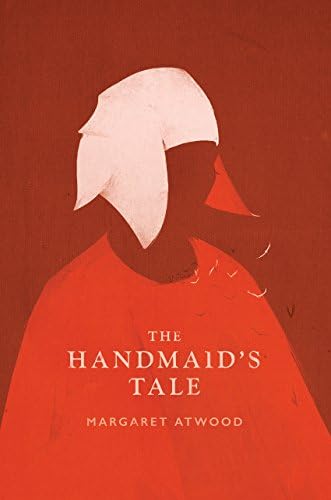
The discussion centers on whether celebrities can openly embrace conservative politics in today's cultural landscape, using Sidney Sweeney as a key case study. Sweeney has starred in projects like The Handmaid's Tale and Euphoria while projecting conservative-coded messaging through her personal brand and family's MAGA affiliations.
The hosts examine how the consolidation of Hollywood and Silicon Valley created progressive cultural gatekeeping, generating backlash toward transgressive content. They analyze how figures like NBA Youngboy, Shane Gillis, and Tony Hinchcliffe navigate political alignment without explicit ideological identification, while Trump's celebrity status enables cultural figures to embrace right-leaning politics without traditional Republican branding.
The Sidney Sweeney Phenomenon: Conservative Coding in Liberal Hollywood
Sidney Sweeney represents a new celebrity archetype who can work within liberal Hollywood while projecting conservative heterodoxy, starring in The Handmaid's Tale and progressive projects while maintaining MAGA family connections and Republican voter registration.
When asked about political backlash to her American Eagle jeans campaign, Sweeney deflected with 'I did a jeans ad. I love jeans,' demonstrating how celebrities can avoid performing progressivism without explicit conservative identification.
Her core fanbase consists primarily of young men who consume her as memes and influencer content rather than ticket-buying moviegoers, creating a disconnect between cultural influence and traditional Hollywood success metrics.
Sweeney's few box office hits like 'Anyone But You' represent heteronormative rom-com content, while her left-leaning producer projects like 'Christie' and 'Immaculate' failed commercially, suggesting audience preferences align with conservative-coded content.
Trump as the Celebrity Politics Gateway Drug
Trump's celebrity identity allows cultural figures to embrace right-leaning politics without the 'lame' stigma of explicit Republican identification, as Ross notes: 'it might be easier to say I'm pro-Trump than I'm a Republican.'
NBA Youngboy exemplifies this phenomenon with his 'Make America Slime Again' tour featuring 'all hail Trump' messaging, leveraging Trump's pardon after weapons charges to align with MAGA politics while maintaining street credibility.
Trump's pardon strategy targeting young rappers in legal trouble made him the 'free so-and-so candidate,' creating cultural currency with audiences who chant for imprisoned artists' release.
The Republican Party under Trump became 'a coalition of people fed up with progressive culture' combining 'boring, white, suburban, married' normies with transgressive cultural figures in an unprecedented political alignment.
The Backlash Against Progressive Cultural Gatekeeping
Hollywood and Silicon Valley consolidation created an 'enlightened party line' system where progressive cultural messaging was enforced through potential cancellation, generating widespread fatigue with left-wing cultural policing.
Older comedians like Dave Chappelle, Bill Maher, and Jerry Seinfeld who were 'left libertarian' in the 1990s now appear right-wing by comparison, illustrating how cultural center points have shifted dramatically.
The current environment allows 'incredibly popular podcasts while announcing that Emmanuel Macron' should be overthrown, demonstrating how guardrails have disappeared from public discourse platforms.
Young men and women are now 'politically polarized to a degree that's never existed before,' creating distinct cultural forms coded by gender, with female pop stars dominating while male-coded content like MMA and video games gain political significance.
The Limits of Transgressive Politics in Entertainment
Nick Fuentes represents the current boundary of acceptable transgression, with his explicit white nationalist messaging causing even edgy podcasters like Red Scare to face backlash for platforming him.
Kanye West's anti-Semitic statements crossed the line that comedy and performativity couldn't protect, demonstrating that 'straightforwardly toxic' content still faces consequences regardless of artistic legacy.
Shane Gillis exemplifies successful political ambiguity, carefully maintaining 'oh, you think I'm right? Well, actually, I'm left' positioning while collaborating with explicitly pro-Trump comedians like Tony Hinchcliffe.
Ross argues that The Handmaid's Tale after season one became 'somebody's agitprop fantasy' rather than art that reflects reality's complexity, contrasting with more politically ambiguous storytelling.
The Future of Conservative Cultural Expression
Post-Trump Republican leadership like Ron DeSantis or Marco Rubio would likely lose the transgressive cultural appeal, as 'nobody's going to do a rap tour about Ron DeSantis' or embrace traditional conservative messaging.
Religious art and 'non-ironic portrayals of religiosity' may emerge as the next conservative cultural frontier, moving beyond Madonna-style Catholic iconography subversion toward genuine piety expression.
Trump's cultural intervention attempts, like forcing Warner Brothers to remake 'Rush Hour' and taking over Kennedy Center programming, reveal institutional power plays but questionable artistic talent pools for conservative content.
The upcoming Super Bowl halftime show featuring Bad Bunny, who won't tour America due to ICE raid fears, versus potential Turning Point USA counter-programming illustrates the talent gap between progressive and conservative cultural offerings.

These notes may contain occasional inaccuracies. Learn how podbrain notes are made
More in Politics & Society
And, This Is Why Reid Hoffman Doesn’t Fear Artificial Intelligence
Jun 19, 2026And, This Is Hunter Biden Like You've Never Heard Him Before
Jun 12, 2026
Better Sex, Better Hair, Better Sleep: ‘Humanmaxxing’ Is Here
Jun 11, 2026
Introducing: OnlyFantasy (Leon's New Podcast)
May 21, 2026
Three young leaders changing the world one step at a time
May 21, 2026
.svg)