
Define the Win or You’ll Never Hit It | Ep 998
Alex Hormozi, founder of Acquisition.com and author, discusses his frameworks for business growth, hiring practices, and content creation philosophy. The conversation covers his systematic approach to talent acquisition, content strategy, and decision-making processes.

Episode


- 01
"If you are not good at predicting what is going to happen next, life will be hard for you" - Alex
- 02
Alex creates all content himself, with X as his "source of truth" and home base for content distribution
- 03
"The quality of the questions that they ask" determines intelligence when hiring, not generic interview responses
- 04
Alex spends only 6 hours per week on content creation: 4 hours recording, 2 hours writing tweets
- 05
"The single greatest razor for defining reality accurately has been removing all sentiment, emotion" - Alex
- 06
Current life allocation: 70% work, 15% health, 15% marriage - considering rebalancing after recent major life events
- 07
"The pain is the pitch" - specific pain articulation is more motivating than vague promises
- 08
Alex hires for general intelligence over experience: "I define intelligence as rate of learning"
Get the latest ideas from Alex Hormozi.
Plus the best new takeaways from other top podcasts — read in minutes, not hours.
By continuing, you agree to podbrain's Terms and Privacy Policy.
These notes may contain occasional inaccuracies. Learn how podbrain notes are made
Alex Hormozi, founder of Acquisition.com and author, discusses his frameworks for business growth, hiring practices, and content creation philosophy. The conversation covers his systematic approach to talent acquisition, content strategy, and decision-making processes.
The discussion explores Hormozi's recent life reflections following major milestones including a successful product launch and personal loss. He examines work-life balance trade-offs while referencing insights from 1929 about how Depression-era executives maintained different lifestyle priorities.
Key topics include his hiring methodology focused on intelligence over experience, content creation systems that generate millions of views, and communication frameworks that remove ambiguity. Hormozi also shares tactical marketing wisdom drawn from classic texts like How to Win Friends and Influence People and direct response masters.
Content Creation System: 6 Hours Weekly, Maximum Impact
Alex spends only 6 hours per week on content: 4 hours recording one day weekly, plus 2 weekend hours writing tweets in bulk
X serves as his "source of truth" and home base, with all other platforms (Instagram, LinkedIn) repurposing content from tweets
"I'll have a conversation with you and something will come up, and I'll be like, oh, that was a pithy thing I just said" - Alex captures ideas organically rather than following content calendars
Team members take notes during live streams and send quotes afterward, which Alex then "massages the edges" before posting
Hiring for Intelligence: Questions Over Experience
"The quality of the questions that they ask" determines candidate intelligence - specific, research-based questions about business model connections outweigh generic interview responses
Alex defines intelligence as "rate of learning" and prioritizes general horsepower over specific skills or attitude
For C-level roles, candidates solve real company problems rather than hypothetical cases: "Worst case, we get free consulting. Best case, we get somebody who can implement the solution"
Hiring philosophy: always hire for the "small skill deficiency" - determine whether missing skills or attitude traits are easier to train given the role requirements
Management Diamond: Four Failure Points Framework
When employees underperform, the issue falls into four categories: they don't know what you want done, don't know how to do it, don't know when it's due, or something is blocking them
"Most people do prefer to stay employed and also prefer to do a good job" - Alex assumes positive intent and systematically diagnoses performance issues
Motivation problems are "technically correct, but it's the last one that I'll go to" - structural issues usually explain poor performance before attitude
Precise Communication: Removing Vague Language
"Most people don't know what they're saying most of the time. The vast majority of people spend their time regurgitating things that they never thought about" - Alex
"The single greatest razor that I have for defining reality more accurately has been removing all sentiment, emotion" and focusing on observable behaviors
All of Alex's books begin with term definitions, similar to legal documents, because "you need that in order to be precise about what you want"
Sales redefined: "increasing the likelihood that someone makes a purchasing decision" rather than vague concepts like "transferring belief over a bridge of trust"
Marketing Fundamentals: Pain Over Promise
"The pain is the pitch" - accurately articulating someone's pain is more effective than describing solutions or benefits
"If you can articulate someone's pain to them more accurately than they can, they will buy what you have to sell without even hearing much about whatever you're offering" - Alex
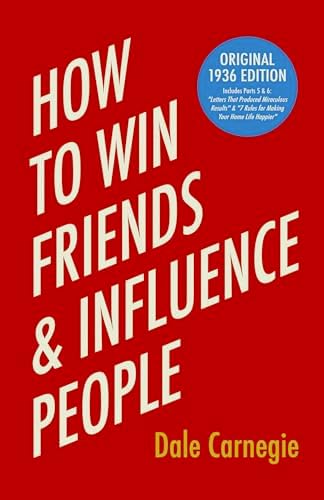
Drawing from How to Win Friends and Influence People, Alex emphasizes tactical communication like using someone's name because it's "the most beautiful sound in the English language" to them
Content quality trumps production value: an iPhone video with shaky footage but strong concept generated 1.7 million views, proving "the words are the hard part"
Life Balance Reflection: Reconsidering Trade-offs
Current life allocation: "70% work, 15% health, 15% marriage" - Alex is questioning this distribution after recent major life events
Reading 1929 revealed that Depression-era executives earning equivalent of $100 million annually maintained routines like "home by five" and taking summers off in Europe
"It's the first time in my life where I've been open to having other priorities. I don't know what they are" - Alex after 21 years of business focus
Writing his mother's eulogy showed that accomplishments represented a small portion compared to "service and character" - prompting reflection on time allocation


These notes may contain occasional inaccuracies. Learn how podbrain notes are made
More in Finance & Business

The Biggest Pivot In AI History Is Happening Right Now | Jordi Visser
Jun 20, 2026
How Substack Creators Are Covering This Strange Markets Era
Jun 20, 2026
#422 Joseph Pulitzer
Jun 20, 2026
World's First Trillionaire, Anthropic Fable Banned, The New Oligarchs, Iran Peace Deal
Jun 19, 2026Anthropic's Co-Founder and Top Economist on Doing Research at the AI Frontier
Jun 19, 2026


.svg)