
‒ Colorectal cancer screening: importance of early screening, colonoscopy as a screening and preventive tool, and how to build a personalized strategy
Peter Attia, host of The Drive Podcast, delivers a comprehensive overview of colorectal cancer screening in this sneak peek episode. As a physician focused on longevity medicine, Attia emphasizes the preventable nature of colorectal cancer and the critical importance of proper screening protocols.


- 01
Colorectal cancer is the second leading cause of cancer death in the US, projected to kill 55,000 people this year
- 02
68% of colorectal cancer deaths could be prevented with screening at traditional intervals - Peter Attia
- 03
CRC follows a slow progression from normal tissue to malignancy, typically taking a decade or more
- 04
Colonoscopy uniquely serves as both screening and prevention by removing precancerous polyps before they become cancer
- 05
Early-onset colorectal cancer is rising in younger adults, challenging traditional screening age recommendations
- 06
Peter Attia argues 100% reduction in CRC deaths is possible with more aggressive screening protocols
Get the latest ideas from The Peter Attia Drive.
Plus the best new takeaways from other top podcasts — read in minutes, not hours.
By continuing, you agree to Podbrain's Terms and Privacy Policy.
These notes may contain occasional inaccuracies. Learn how Podbrain notes are made
Peter Attia, host of The Drive Podcast, delivers a comprehensive overview of colorectal cancer screening in this sneak peek episode. As a physician focused on longevity medicine, Attia emphasizes the preventable nature of colorectal cancer and the critical importance of proper screening protocols.
The episode covers the biology of colorectal cancer development, the unique advantages of colonoscopy as both a screening and preventive tool, the concerning rise in early-onset cases among younger adults, and the growing landscape of non-invasive screening alternatives including stool-based and blood-based tests.
The Preventable Cancer Crisis
Colorectal cancer ranks as the second leading cause of cancer death in the United States, behind only lung cancer, with approximately 55,000 projected deaths this year according to the American Cancer Society.
Despite being "arguably the most preventable cancer we know of," a 2020 CDC estimate shows 68% of colorectal cancer deaths could be prevented with screening at traditional recommended intervals - Peter Attia.
"We're talking about a cancer that in most cases gives us a decades-long window to intervene, and we're still losing nearly 70% of people out of that 55,000 deaths a year because they never walked through the front door to get a colonoscopy" - Peter Attia.
Why Colorectal Cancer is Uniquely Screenable
CRC follows a well-characterized, slow progression from normal tissue to benign polyp, to precancerous polyp, to frank malignancy, typically taking years or often a decade or more.
The colon is a hollow organ that "sits outside the body" allowing direct access and visualization, unlike other cancer screening methods that can only detect existing cancer.
Colonoscopy serves dual purposes: "not only detect those precancerous lesions, but also remove them before they ever become cancer" - a capability no other common cancer screening test can match.
Aggressive Screening for Maximum Prevention
Peter Attia argues this prevention rate "could be closer to 100%, i.e. 100% reduction in colorectal cancer death with more aggressive screening protocols, including starting earlier and screening more often."
The episode promises to address screening for people "whether you're 35 and wondering when to start or 55 and wondering when your Cologuard test is good enough."
Topics covered include colonoscopy preparation, ensuring high-quality exams, screening intervals, real risks and trade-offs, and the growing landscape of non-invasive alternatives.
Resources Mentioned
f course. Third, delivery of our premium newsletter, which is put together by our dedicated team of research analysts. This newsletter covers a wide range of topics related to longevity and provides m
These notes may contain occasional inaccuracies. Learn how Podbrain notes are made
More in Health & Wellness

How to Improve Your Memory & Cognitive Function at Any Age | Dr. Alan Castel
Jul 13, 2026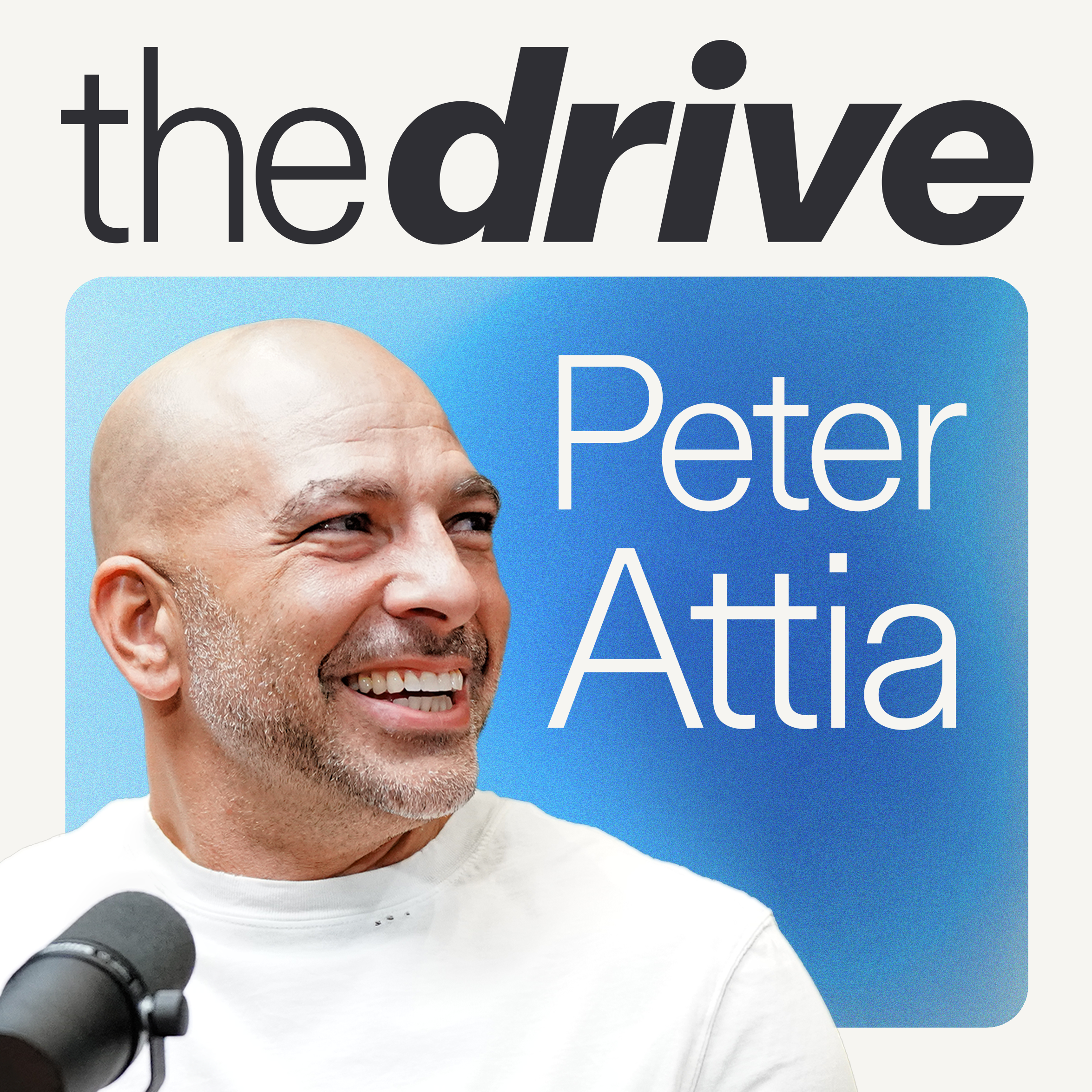
#399 ‒ The evolution of Alzheimer's disease and dementia care: how early detection, personalized treatment, new therapies, and a multimodal approach are changing the landscape | Gayatri Devi, M.D.
Jul 13, 2026
Essentials: The Science of Eating for Health, Fat Loss & Lean Muscle | Dr. Layne Norton
Jun 25, 2026
281. Dr. Phil Reveals The Exercise That Rewires Your Brain in Minutes
Jun 25, 2026
Will Harlow: STOP Losing Muscle After 50 (Do This Instead)
Jun 23, 2026.svg)