
This is What Money Is Jealous Of | The Stoic Is A Work In Progress
Ryan Holiday hosts this Daily Stoic podcast episode exploring the paradox of wealth and the nature of stoic progress. As author of The Daily Stoic and creator of stoic educational content, Holiday examines how material success often breeds jealousy rather than satisfaction.


- 01
The wealthy and powerful are jealous of ordinary people who possess freedom, time, and happiness
- 02
Marcus Aurelius and Seneca envied philosophers who maintained independence from material wealth and political power
- 03
Epictetus taught that stoicism requires 'sustained execution, not shapeless epiphanies' through constant daily practice
- 04
Even Epictetus admitted imperfection when a thief stole his lamp, leading him to replace it with simpler earthenware
- 05
Meditations shows Marcus Aurelius frustrated with himself: 'you've been studying this your whole life... and you're not getting any better'
- 06
Ryan Holiday's perspective on The Daily Stoic has evolved since writing it in 2015, demonstrating ongoing philosophical growth
- 07
The stoic sage who behaves perfectly is an ideal to approach, not a destination to reach
Get the latest ideas from The Daily Stoic.
Plus the best new takeaways about stoicism from other top podcasts — read in minutes, not hours.
By continuing, you agree to Podbrain's Terms and Privacy Policy.
These notes may contain occasional inaccuracies. Learn how Podbrain notes are made
Ryan Holiday hosts this Daily Stoic podcast episode exploring the paradox of wealth and the nature of stoic progress. As author of The Daily Stoic and creator of stoic educational content, Holiday examines how material success often breeds jealousy rather than satisfaction.
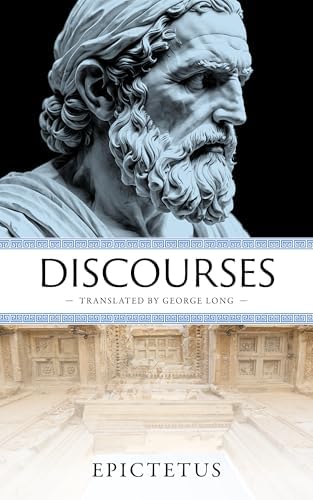
The discussion centers on teachings from Discourses by Epictetus and Meditations by Marcus Aurelius, illustrating how even ancient stoic masters viewed their practice as an ongoing journey rather than a completed achievement. Holiday reflects on his own evolution as a stoic practitioner and writer since publishing The Daily Stoic nearly a decade ago.
The Wealthy's Hidden Jealousy of Simple Freedom
The rich and powerful are 'incredibly jealous people' who envy not just other wealthy individuals but ordinary people with freedom, time, and happiness.
Marcus Aurelius, despite his wealth and power, wished he could 'trade places with the philosophers he so admired' who maintained independence.
Seneca's 'dying regret' was likely his inability to escape Nero's clutches due to the wealth he had accumulated, envying 'more austere philosophers who shied away.'
Time is 'a much more precious resource' than gold, power, or fame, yet it is 'wasted on the young and the rich alike.'
Epictetus on Stoicism as Perpetual Work in Progress
Discourses challenges students to 'show me someone sick and happy, in danger and happy, dying and happy' - emphasizing that perfect stoics don't exist.
Philosophy requires 'sustained execution, not shapeless epiphanies' through 'constant work and serious training needed every day.'
When a thief stole Epictetus' expensive lamp, he realized his own failure: 'the problem is me. Why did I have such an expensive thing that I was worried someone would steal?'
Epictetus replaced the stolen lamp with 'an earthenware lamp,' demonstrating practical application of detachment principles.
Marcus Aurelius' Struggle with Imperfection
Meditations reveals Marcus Aurelius' frustration with his own progress: 'you've been studying this your whole life. You're an old man and you're not getting any better.'
The passages in Meditations 'show an evolution of a person because he's evolving and changing' throughout his life.
Different passages 'hit differently and sometimes feel like they contradict each other' because they represent ongoing philosophical development.
Holiday's Evolution Since Writing The Daily Stoic
Holiday wrote The Daily Stoic in 2015 after '10 years' of studying stoicism, but now sees 'things I disagree with' in his own work.
Rereading The Daily Stoic reveals 'ways that I would change it... things that I wish I'd put in the book, different quotes that I wish I'd put in the book.'
Holiday is 'evolving as a writer... as a human being, and... as a student of Stoicism, which we all should be.'
The stories shared in this episode represent 'what I wish I'd put in the original book' but didn't because he 'hadn't made the connection yet.'


These notes may contain occasional inaccuracies. Learn how Podbrain notes are made
More in Philosophy

It’s So Hard To Find | Stop Looking For This
Jul 13, 2026
12 Stoic Rules For A Better Life
Jul 12, 2026
Men Are Reading Less Fiction. That’s A Problem. | Steven Pressfield
Jul 11, 2026
Spielberg Just Revealed The Truth About Aliens (He Knows!)
Jun 25, 2026Which Of These Are You? | What's In Your Way Is The Way
Jun 25, 2026.svg)