
They Give You Direction for Life | The Stoic Secret to Finding Real Joy
This episode of the Daily Stoic podcast features host Ryan Holiday presenting an excerpt from Tim Ferriss's The Tao of Seneca, specifically Seneca's Letter 59 on Pleasure and Joy. Holiday introduces the content by discussing the four cardinal virtues that Marcus Aurelius called "the...


- 01
True joy, unlike pleasure, "never ceases and never changes into its opposite" and comes only from virtue - Seneca
- 02
The four cardinal virtues (courage, temperance, justice, wisdom) remain humanity's best compass after 2,000 years of discovery
- 03
"We are too readily satisfied with ourselves" and accept flattery instead of honest self-assessment - Seneca
- 04
Wisdom produces "a joy that is unbroken and continuous" while pleasures are "deceptive and short-lived" - Seneca
- 05
Alexander's wound reminded him "All men swear that I am the son of Jupiter, but this wound cries out that I am mortal"
- 06
The wise person deploys "all his fighting qualities on every side" like an army in formation ready for attack
- 07
The Tao of Seneca by Tim Ferriss is available as a free PDF at tim.blog/seneca
- 08
Ryan Holiday's complete Stoic Virtue Series box set releases May 19th from Penguin Random House
Get the latest ideas from The Daily Stoic.
Plus the best new takeaways about stoicism from other top podcasts — read in minutes, not hours.
By continuing, you agree to Podbrain's Terms and Privacy Policy.
These notes may contain occasional inaccuracies. Learn how Podbrain notes are made
This episode of the Daily Stoic podcast features host Ryan Holiday presenting an excerpt from Tim Ferriss's The Tao of Seneca, specifically Seneca's Letter 59 on Pleasure and Joy. Holiday introduces the content by discussing the four cardinal virtues that Marcus Aurelius called "the touchstones of goodness" in his Meditations.
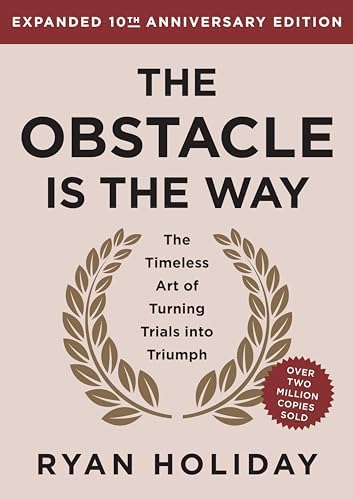
The episode begins with Holiday's reflection on how these ancient virtues - courage, temperance, justice, and wisdom - remain unmatched despite 2,000 years of human progress. He announces that his Stoic Virtue Series, which began in 2019 and includes The Obstacle Is the Way, Ego Is the Enemy, The Daily Stoic, and Stillness Is the Key, is now available as a complete box set.
The main content features Seneca's letter to Lucilius, where the Roman philosopher explores the distinction between fleeting pleasures and lasting joy, examining why humans persist in behaviors they know are harmful and how true wisdom leads to unshakeable contentment.
The Cardinal Virtues as Life's Compass
Marcus Aurelius identified four cardinal virtues in his Meditations: courage (bravery, fortitude, honor), temperance (self-control, moderation, balance), justice (fairness, service, kindness), and wisdom (knowledge, truth, self-reflection).
These virtues are called "cardinal" from the Latin "cardo" meaning hinge - "the stuff that the door to the good life hangs on" - serving as a compass for every situation.
Despite 20 centuries of progress including "automobiles, the internet, cures for diseases," Marcus's assessment remains true: "If you find anything better than that, embrace it without reservations. Must be an extraordinary thing indeed."
Seneca's Distinction Between Pleasure and Joy
Seneca acknowledges using "pleasure" in common parlance while maintaining the Stoic position that "pleasure is a vice" - true joy "can be attained only by the wise."
"Joy is an elation of spirit, of a spirit which trusts in the goodness and truth of its own possessions" while common pleasures from external events "are more often the beginnings of sorrow to come."
Real joy "never ceases and never changes into its opposite" unlike pleasures that "exceed control and are carried to excess."
The Wise Person's Military Formation
Seneca quotes philosopher Sextius comparing wisdom to "an army marching in hollow square" - the wise person "should have all his fighting qualities deployed on every side."
"The wise man is fortified against all inroads. He will walk undaunted both against them and among them" - poverty, sorrow, disgrace, and pain.
While "folly brings no repose" and "is pursued and confronted by peril," wisdom provides constant readiness without panic or confusion.
Why We Remain Trapped by Folly
"We are too readily satisfied with ourselves" - accepting flattery and believing "we are the best and wisest of men, although we know that they are given to much lying."
We fail to "combat it strongly enough" and don't "put sufficient trust in the discoveries of the wise" - approaching wisdom "in too trifling a spirit."
"How can a man learn, in the struggle against his vices, an amount that is enough, if the time which he gives to learning is only the amount left over from his vices?"
Alexander's Lesson in Mortality
When wounded during a siege in India, Alexander continued fighting until forced to withdraw, declaring: "All men swear that I am the son of Jupiter, but this wound cries out that I am mortal."
Seneca advocates similar honesty: "You call me a man of sense, but I understand how many of the things which I crave are useless, and how many of the things which I desire will do me harm."
True self-knowledge includes admitting "I do not yet know how much I can hold" regarding our appetites and desires.
The Path to Unshakeable Joy
"The wise man is joyful, happy and calm, unshaken. He lives on a plane with the gods" with a mind "like the ultra-lunar firmament" where "eternal calm pervades."
Those seeking joy "in the midst of riches and official titles" find only "causes of grief" - true joy "springs only from the knowledge that you possess the virtues."
False pleasures like "feasting," "applause," and "idle display of culture" are "deceptive and short-lived, like drunkenness, which pays for a single hour of hilarious madness by a sickness of many days."
"The joy which comes to the gods, and to those who imitate the gods, is not broken off, nor does it cease" because "that which fortune has not given, she cannot take away."




These notes may contain occasional inaccuracies. Learn how Podbrain notes are made
More in Philosophy

It’s So Hard To Find | Stop Looking For This
Jul 13, 2026
12 Stoic Rules For A Better Life
Jul 12, 2026
Men Are Reading Less Fiction. That’s A Problem. | Steven Pressfield
Jul 11, 2026
Spielberg Just Revealed The Truth About Aliens (He Knows!)
Jun 25, 2026Which Of These Are You? | What's In Your Way Is The Way
Jun 25, 2026
.svg)