
Gavin Newsom on Ego, Power, and Stoicism
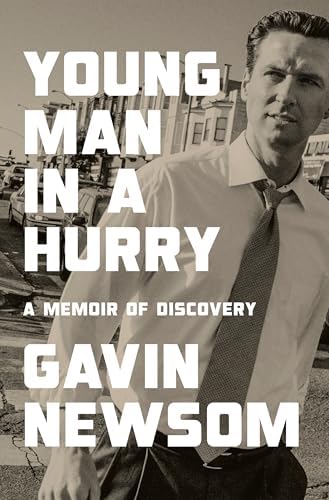
This conversation features California Governor Gavin Newsom and author Ryan Holiday discussing Stoic philosophy and its relevance to leadership and modern life. Newsom discovered Stoicism in college through Dr. Drew's recommendation, while Holiday has built his career translating ancient philosophy for contemporary...


- 01
Dr. Drew introduced Newsom to Stoicism at a Trojan Condoms conference, recommending Epictetus and Marcus Aurelius
- 02
Meditations was written during the 15-year Antonine plague, making it literally a pandemic book, not metaphorical
- 03
Marcus Aurelius warns 'be careful that you are not dyed purple' - referencing how power can corrupt
- 04
The word 'Stoic' comes from 'Stoa Poikile' (painted porch) where Zeno taught after his shipwreck in Athens
- 05
Washington was the only founder who didn't read Stoics in Greek or Latin, while Jefferson had Seneca in French on his nightstand when he died
- 06
Holiday's understanding of 'the obstacle is the way' evolved from professional challenges to dealing with difficult people and character growth
- 07
John Adams warned that without virtue in the people, the Constitution would be like 'a whale through a net'
- 08
Silicon Valley leaders like Elon Musk saying 'empathy is the death of Western civilization' represents a dangerous philosophical shift
Get the latest ideas from The Daily Stoic.
Plus the best new takeaways about stoicism from other top podcasts — read in minutes, not hours.
By continuing, you agree to Podbrain's Terms and Privacy Policy.
These notes may contain occasional inaccuracies. Learn how Podbrain notes are made
This conversation features California Governor Gavin Newsom and author Ryan Holiday discussing Stoic philosophy and its relevance to leadership and modern life. Newsom discovered Stoicism in college through Dr. Drew's recommendation, while Holiday has built his career translating ancient philosophy for contemporary audiences.
The discussion explores how Meditations by Marcus Aurelius served as a foundational text for both speakers, with Newsom describing multiple failed attempts to read different translations before finding one that resonated. They examine how the same philosophical text reveals new meanings during different life phases, particularly during the COVID-19 pandemic when Marcus Aurelius's plague-era writings took on literal rather than metaphorical significance.
The conversation spans from the historical origins of Stoicism in ancient Athens to its influence on America's founding fathers, while addressing contemporary challenges including the crisis facing young men and the philosophical failures of Silicon Valley leadership. They discuss how ancient wisdom about virtue, character, and civic responsibility remains urgently relevant for modern governance and personal development.
From Dr. Drew to Marcus Aurelius: Newsom's Stoic Discovery
Newsom discovered Stoicism in 2006 through an unexpected source: Dr. Drew at a Trojan Condoms conference in West Hollywood, who recommended Epictetus and Marcus Aurelius when asked for book recommendations.
Reading Meditations in Riverside, California as a young man provided immediate direction: 'I didn't know there was writing like this. I didn't know there was advice like this. I didn't know it was what I was looking for, but it was exactly what I was looking for' - Newsom.
The appeal came from accessing the private thoughts of the Roman emperor: 'To pick up the private thoughts of the emperor of Rome, and he's talking to himself about how to not just be a productive person and a strong person, but also a wise person and a good person' - Holiday.
Newsom struggled with multiple translations over the years before finding one that worked, illustrating how translation quality dramatically affects philosophical accessibility for readers with learning differences.
The Plague Book: Marcus Aurelius in Pandemic Context
Meditations was written during the 15-year Antonine plague that killed millions, making Marcus Aurelius's references to pestilence literal rather than metaphorical.
Marcus Aurelius distinguished between 'two types of plagues: there's the one that can destroy your health and the one that can destroy your character' - a distinction that proved prophetic during COVID-19.
The emperor's emotional response to plague victims, bursting into tears during court proceedings, demonstrates that Stoicism isn't about suppressing emotions but about maintaining character during crisis.
Holiday observed how people became 'radicalized' and 'turned off their hearts and their neighborliness' during the pandemic, echoing the character plague Marcus Aurelius warned about.
From Painted Porch to Purple Dye: Stoicism's Origins and Warnings
Stoicism began when merchant Zeno, dealing in rare purple dye, suffered a shipwreck and washed up in Athens, where he started teaching philosophy on the Stoa Poikile (painted porch).
Marcus Aurelius warns in Meditations: 'be careful that you are not dyed purple' - referencing how imperial power (symbolized by purple robes) can corrupt character.
The 600-year tradition from Zeno to Marcus Aurelius represents 'the great conversation' where each generation builds upon ancient wisdom, with founders like Washington and Jefferson directly drawing from Stoic texts.
Washington was unique among founders for reading Stoics only in English translation, while Jefferson kept Seneca in French on his nightstand when he died, showing their deep philosophical engagement.
The Obstacle Becomes the Way: Evolution of Understanding
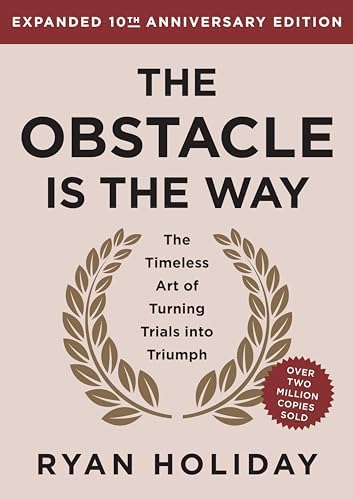
Holiday's The Obstacle Is the Way emerged from Marcus Aurelius's principle that 'what stands in the way becomes the way,' initially focused on professional obstacles and business challenges.
The fuller quote from Meditations reveals Marcus Aurelius was primarily discussing difficult people: 'mostly what he's talking about is annoying people and obnoxious people' who provide opportunities for character growth.
Holiday's understanding evolved over 20 years: 'When the Stoics are saying the obstacle is the way, they don't necessarily mean this huge recession... they're saying this person who just broke your heart... they're a chance for you to grow as a human being.'
The core Stoic principle emphasizes agency over victimhood: 'So much of our life is this sort of victim mentality... as opposed to what you're going to do about it' - Holiday.
Silicon Valley's Philosophical Failure and the Crisis of Leadership
Elon Musk's statement that 'empathy is going to be the death of Western civilization' and Marc Andreessen's boast about having 'zero introspection' represent a dangerous philosophical shift among tech leaders.
Holiday argues that history's greatest leaders were 'profoundly considerate and conscientious people,' while those lacking introspection were 'responsible for genocides and pointless wars and ecological disasters.'
The Silicon Valley leadership class has embraced a 'why should you try to be better? Just do what you want. Get yours' mentality, abandoning responsibility despite their 'incredible power and privilege.'
This philosophical vacuum has particularly impacted young men, who lack traditional institutions and rituals for guidance, making them vulnerable to 'manosphere' influences and toxic masculinity rather than genuine philosophical development.
Virtue and the American Experiment: Founding Fathers' Stoic Vision
The American founders drew heavily from Stoic philosophy, with Holiday noting that The Pursuit of Happiness by Jeffrey Rosen documents how 'the primary influence on the founders was not English legal thinkers' but Roman Stoics.
When writing the Federalist Papers, founders 'masqueraded as Roman characters' and were 'thinking about Cato, they're thinking about Seneca, they're thinking about Marcus Aurelius.'
The founding vision balanced individual freedom with virtue: 'All that freedom was to be counterbalanced by a sense of virtue in the people' - without which the system would fail.
John Adams warned that without virtue, 'the Constitution cannot... is not strong enough. He says, like a whale through net. Like a whale through a net' - prophetically describing contemporary American political dysfunction.


These notes may contain occasional inaccuracies. Learn how Podbrain notes are made
More in Philosophy

It’s So Hard To Find | Stop Looking For This
Jul 13, 2026
12 Stoic Rules For A Better Life
Jul 12, 2026
Men Are Reading Less Fiction. That’s A Problem. | Steven Pressfield
Jul 11, 2026
Spielberg Just Revealed The Truth About Aliens (He Knows!)
Jun 25, 2026Which Of These Are You? | What's In Your Way Is The Way
Jun 25, 2026.svg)