
Ziad Daoud Explains How War with Iran Will Reshape the Gulf
Tracy Alloway and Joe Weisenthal speak with Ziad Daoud, Chief Emerging Markets Economist at Bloomberg Economics, about how the recent Iran-Israel conflict has fundamentally altered the Gulf region's trajectory.

Episode


- 01
Gulf leaders gave Trump everything he wanted - hosting visits, raising oil output, pledging trillions in investments - but still got dragged into regional war
- 02
Iran has learned it can punch above its weight by closing the Strait of Hormuz and attacking Gulf infrastructure to pressure the global economy
- 03
Saudi Arabia is making more money from oil exports despite 30% lower volumes due to higher prices from using alternative pipeline routes
- 04
Every major consulting firm told Gulf states to diversify into the same sectors - petrochemicals, finance, tourism, AI - creating internal competition
- 05
Kuwait's current electricity shortages can be traced to fiscal priorities changed after the 1990 Iraqi invasion, showing war's long-term infrastructure impact
- 06
Petrodollar flows that historically suppressed US interest rates by 25 basis points will decline as Gulf states redirect capital to defense and rebuilding
- 07
Dubai residents aren't leaving permanently, but new attraction may slow as people reconsider moving to a region with floor-to-ceiling windows under drone attack
- 08
Future Gulf architecture may change fundamentally as glass towers prove vulnerable to drone strikes and residents seek safer building designs
Get the latest ideas from Odd Lots.
Plus the best new takeaways about military & strategy from other top podcasts — read in minutes, not hours.
By continuing, you agree to podbrain's Terms and Privacy Policy.
These notes may contain occasional inaccuracies. Learn how podbrain notes are made
Tracy Alloway and Joe Weisenthal speak with Ziad Daoud, Chief Emerging Markets Economist at Bloomberg Economics, about how the recent Iran-Israel conflict has fundamentally altered the Gulf region's trajectory.
The conversation explores how Gulf states that built their modern economies around energy exports, capital flows, luxury living standards, and trade routes now face an existential challenge to this model.
Daoud, who lives in Dubai and witnessed the attacks firsthand, discusses the disappointment of Gulf leaders who courted Trump extensively but still got drawn into regional war, the economic implications of reduced petrodollar flows, and unexpected consequences like changes to urban architecture.
The discussion covers intra-Gulf competition as countries pursue identical diversification strategies, the strategic importance of alternative pipeline routes bypassing the Strait of Hormuz, and how Iran's demonstration of economic warfare tactics will reshape regional security calculations for decades.
Gulf Leaders' Trump Strategy Backfires Spectacularly
Gulf states hosted Trump on his first foreign trip, increased oil output against their economic interests to lower prices, and pledged trillions in investments, all hoping to avoid regional war - "they gave all of this, and I think they wanted one thing, which is basically no regional war" - Ziad
OPEC Plus raised oil output in April 2025, shortly after Trump's inauguration, "far bigger than markets were expecting" and "against probably their economic interests" to please Trump who liked lower oil prices
"When it became a choice between what the Gulf wanted and what Israel wanted, Trump had the clear basically choice which he chose Israel over the Gulf" - Ziad
Iran's Economic Warfare Playbook Reshapes Regional Power
Iran discovered it can "punch above its weight" by having "clear and achievable goals" - system survival and deterrence - achieved by "imposing costs on the neighbors, by hitting the Gulf on the global economy"
"Iran is controlling the Strait of Hormuz" and has learned "the way to pressure the US and Israel is by imposing costs on the global economy via attacking the Gulf" - Ziad
Even if Iran's current system doesn't survive, "they've learned the same lesson, which is basically, if you get attacked, if you're cornered, this is how you get out of it by closing the strait of Hormuz"
Alternative Pipeline Routes Prove Their Strategic Value
Saudi Arabia is "probably making more money out of oil exports compared to the pre-war periods" because it has a pipeline from east to Red Sea, exporting 30% less volume but at much higher prices
Countries with geographical advantages can build unilateral pipeline alternatives - "You can have a pipeline from Abu Dhabi to Fujairah. You don't need to go through other countries"
Qatar faces constraints as it "has only one land border, which is Saudi Arabia" making any pipeline alternative dependent on Saudi cooperation
Identical Diversification Strategies Create Gulf Competition
All Gulf states "went to consultants and asked them, you know, what sectors should we target, and they got the same answer. You should move to petrochemicals, you move up the hydrocarbon value chain. You should be a financial center, a tourism hub, a logistical hub"
"Do you really need multiple mega airports with multiple global airlines? Probably not. Do you need multiple megaports, probably not. You probably need one or two" - Ziad
Tourism cannibalization occurs as "people are not going to come and spend you know, six weeks instead of ten days there. They're going to split that ten days between different countries"
Petrodollar Flows Face Historic Reduction
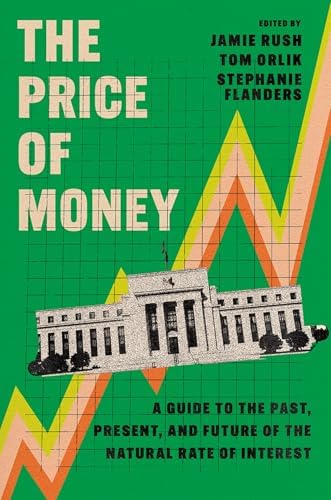
The Price of Money by Tom Orlik and Jamie Rush documented how "petrodollars actually suppressed long-term interest rates in the US" by "twenty-five basis points" worth "tens of billions of dollars every year"
Capital outflows "are going to go down" because of "interruptions to oil exports" and increased defense spending as Gulf states "need to replenish the defense systems that they've been using over the past six weeks"
"If you spend more on defense, and if your income is lower, that necessarily means that what you send to the world in terms of capital exports will come down" affecting global markets including US Treasuries
War's Unexpected Consequences: Architecture and Infrastructure
Dubai's glass towers proved vulnerable when residents received alerts to "stay away from windows" during attacks, forcing people "down into the car park where there's no air conditioning"
Kuwait's current electricity shortages trace to the 1990 Iraqi invasion when "they started investing less at home and sending most of their wealth abroad, and over decades that means deteriorated infrastructure"
"For an oil powerhouse, one of the most richest countries in the region and one of the hottest countries in the world, to have power cuts is strange" but shows how war reshapes priorities for decades
These notes may contain occasional inaccuracies. Learn how podbrain notes are made
More in Finance & Business

The Biggest Pivot In AI History Is Happening Right Now | Jordi Visser
Jun 20, 2026
How Substack Creators Are Covering This Strange Markets Era
Jun 20, 2026
#422 Joseph Pulitzer
Jun 20, 2026
World's First Trillionaire, Anthropic Fable Banned, The New Oligarchs, Iran Peace Deal
Jun 19, 2026Anthropic's Co-Founder and Top Economist on Doing Research at the AI Frontier
Jun 19, 2026
.svg)