
Jared Sleeper on Which Software Companies Will Survive the "SaaSpocalypse"
Joe Weisenthal and Tracy Alloway speak with Jared Sleeper, a partner at Avenue Capital focused on growth investing. Sleeper brings unique perspective having invested across early-stage startups, public companies, and private markets, including time at Matrix Partners with SaaS pioneer David Skok and running public...

Episode


- 01
Software companies trade at historically low multiples despite stable 18% growth rates and 110% net retention - 'There's no valuation support' - Jared
- 02
DocuSign employs more people than OpenAI and Anthropic combined, highlighting potential inefficiencies in labor allocation across tech
- 03
Intercom's AI agent Finn generated nearly $100M ARR on top of their $300M base by automating customer support queries
- 04
Results-based pricing could increase software revenue 50x: replacing a $250K sales rep could justify $50K annual AI costs
- 05
Stock-based compensation creates illusion of profitability - median public software company has only 5% GAAP net income margin
- 06
Enterprise buyers worry about AI security while startups move faster by 'playing fast and loose' with data protection
- 07
Software engineering is becoming like civil engineering - project managing computers that do the technical work rather than manual coding
Get the latest ideas from Odd Lots.
Plus the best new takeaways about technology from other top podcasts — read in minutes, not hours.
By continuing, you agree to podbrain's Terms and Privacy Policy.
These notes may contain occasional inaccuracies. Learn how podbrain notes are made
Joe Weisenthal and Tracy Alloway speak with Jared Sleeper, a partner at Avenue Capital focused on growth investing. Sleeper brings unique perspective having invested across early-stage startups, public companies, and private markets, including time at Matrix Partners with SaaS pioneer David Skok and running public software investments at Coatue.
The conversation explores the 'SaaS apocalypse' - the dramatic selloff in software stocks amid AI fears. While the IGV software ETF dropped 3% on recording day and Salesforce has been cut in half since early 2021 peaks, the underlying business fundamentals remain surprisingly stable.
Sleeper argues the selloff reflects terminal value concerns about AI replacing entire job categories rather than current performance issues. The discussion covers everything from why enterprises still pay for software despite free alternatives, to how AI agents are creating new results-based pricing models that could dramatically increase software company revenues.
The Great Software Disconnect: Strong Fundamentals, Terrible Valuations
Software companies maintain 18% median growth rates and 110% net retention, with many guiding to accelerating growth over successive quarters, yet trade at historically low multiples.
Stock-based compensation creates financial illusion - 'The median public software company has a 5% GAAP net income margin, which is not enough to value the companies on' - Jared.
FreshWorks trades at 1.5x EV/sales despite decent top-line results, but lacks material GAAP earnings trajectory, causing 16% stock decline.
Unlike other sectors, software investors rarely use the actual products they invest in, creating panic without fundamental support during selloffs.
Why Software Companies Existed Before AI (And May Still)
Software companies historically won by spreading development costs across thousands of customers, selling for 'way cheaper than they could ever hope to build it themselves, even less than the cost of one employee.'
Integration complexity goes beyond code - 'It's about really deeply understanding the prior system and how it maps to the new system... that's a human problem' - Jared.
Companies pay for 'herd familiarity' - everyone knows Zoom shortcuts and Excel formulas, making $20/month worth avoiding retraining costs.
Free open source alternatives have existed forever, but enterprises need support, brand trust, and someone to blame when systems fail.
The AI Pricing Revolution: From Seats to Results
Intercom's AI agent Finn generates nearly $100M ARR by actually solving customer support tickets rather than just providing tools for humans to use.
Results-based pricing could justify 50x higher revenues: 'If you have a technology that can replace a sales rep, you can charge $50K, still give the customer a 5x ROI' - Jared.
AI companies achieve 20-80% gross margins reselling intelligence from foundation model vendors like OpenAI and Anthropic.
Foundation model vendors race toward applications (Claude Code, OpenAI Codex) to avoid becoming commoditized APIs.
The Context Wars: Who Controls Enterprise AI Data
AI agents need comprehensive context beyond PhD-level intelligence - access to Google Drive, Slack, CRM data, and informal knowledge from sales dinners.
Salesforce sits on critical customer interaction data, but 'a lot of that context does live in human brains' that isn't automatically captured in CRMs.
Enterprise security concerns create competitive moats - VCs refuse Zoom transcription tools due to legal discovery risks while others embrace full recording.
Startups move faster by 'playing fast and loose' with data protection while incumbents must protect existing business and avoid lawsuits.
Labor Market Disruption and the New Software Engineering
Software engineering is becoming like civil engineering - 'project managing this computer that can do the physics part of their job' rather than manual calculations.
DocuSign employs more people than OpenAI and Anthropic combined, suggesting 'labor is inefficiently allocated across the market' - Jared.
Management teams will likely implement layoffs to cut costs, retain top talent, and compete with high-growth AI companies offering massive compensation packages.
Jobs at risk are those previously considered for outsourcing to India or involving isolated work - social skills become the key differentiator.
Market Psychology and the Scapegoat Theory
Pod shops like Citadel and Millennium drive high trading volumes but 'can't afford drawdowns' on fundamental uncertainty, creating short-term selling pressure.
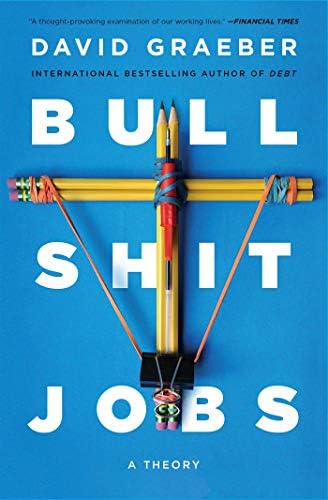
Drawing from Bullshit Jobs, software companies might evolve into social ecosystem roles rather than disappearing - potentially serving as 'designated scapegoats for senior management.'
Companies lack valuation support through buybacks or dividends due to low GAAP margins, removing traditional price floors during selloffs.
Terminal value concerns dominate: 'Who knows if there will even be customer support reps or sales reps or software engineers' in 3-5 years - Jared.
These notes may contain occasional inaccuracies. Learn how podbrain notes are made
More in Finance & Business

The Biggest Pivot In AI History Is Happening Right Now | Jordi Visser
Jun 20, 2026
How Substack Creators Are Covering This Strange Markets Era
Jun 20, 2026
#422 Joseph Pulitzer
Jun 20, 2026
World's First Trillionaire, Anthropic Fable Banned, The New Oligarchs, Iran Peace Deal
Jun 19, 2026Anthropic's Co-Founder and Top Economist on Doing Research at the AI Frontier
Jun 19, 2026
.svg)