
Greg Brew on Surging Energy and the 'Strategic Trap' of the War in Iran
This emergency episode of Odd Lots, recorded at 9:07 AM on March 19th, features hosts Joe Weisenthal and Tracy Alloway discussing the rapidly escalating Iran-Israel conflict with energy analyst Greg Brew. Brew is a Senior Analyst at Eurasia Group and author of two highly relevant academic works:...

Episode


- 01
Iran's closure of the Strait of Hormuz required minimal action - just striking a dozen tankers without sinking any, demonstrating the power of strategic threats
- 02
One Iranian missile damaged Qatar's LNG facility enough to cut 17% of capacity for 3-5 years, showing infrastructure vulnerability
- 03
Oil prices hit $113/barrel with physical Omani crude trading over $150, reflecting severe supply disruption and regional premium
- 04
Iran's South Pars gas field supplies 70% of the country's gas, making Israeli strikes there strategically significant
- 05
The US Navy appeared unprepared for Strait of Hormuz closure despite decades of contingency planning
- 06
Iran can still export 100-150k barrels daily via rail to Russia and China even if all maritime terminals are seized
- 07
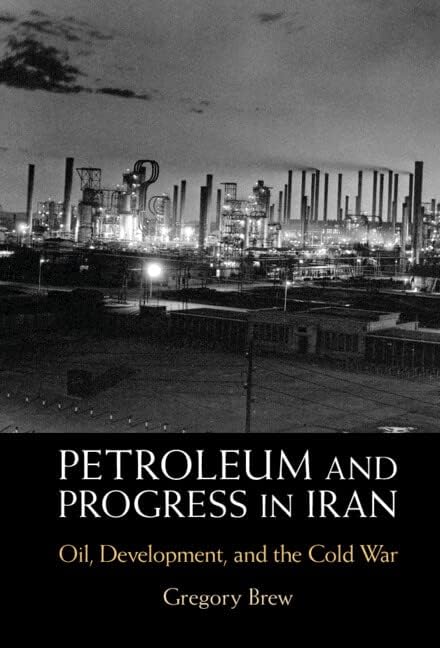
Greg Brew's academic works Petroleum and Progress in Iran and The Struggle for Iran provide historical context for current energy warfare
- 08
Iran's strategy targets Gulf allies to demonstrate that US partnerships make them legitimate targets in future conflicts
Get the latest ideas from Odd Lots.
Plus the best new takeaways about energy from other top podcasts — read in minutes, not hours.
By continuing, you agree to podbrain's Terms and Privacy Policy.
These notes may contain occasional inaccuracies. Learn how podbrain notes are made
This emergency episode of Odd Lots, recorded at 9:07 AM on March 19th, features hosts Joe Weisenthal and Tracy Alloway discussing the rapidly escalating Iran-Israel conflict with energy analyst Greg Brew. Brew is a Senior Analyst at Eurasia Group and author of two highly relevant academic works: Petroleum and Progress in Iran Oil Development of the Cold War and The Struggle for Iran Oil Autocracy in the Cold War.
The conversation covers the unprecedented scale of energy infrastructure damage across the Middle East, including Israeli strikes on Iran's South Pars gas field and Iranian retaliation against Qatari LNG facilities. The discussion examines why hypothetical scenarios like Strait of Hormuz closure have rapidly become reality, the strategic logic behind Iran's targeting of Gulf allies, and the economic implications of sustained energy supply disruption.
Brew provides insights into Iranian domestic politics, the regime's survival strategy, and why traditional assumptions about Trump's willingness to de-escalate due to oil price concerns have proven incorrect. The analysis draws heavily from Brew's academic research detailed in Petroleum and Progress in Iran and The Struggle for Iran, offering historical context for understanding current Iranian energy strategy and geopolitical positioning.
Energy Infrastructure Under Fire Across the Gulf
Israel bombed Iran's South Pars gas field, which supplies 70% of Iran's gas supply, followed by Iranian strikes on Qatar's Raslafan LNG facility within hours
Iran's single missile strike damaged 17% of Qatar's LNG capacity for 3-5 years, demonstrating how minimal attacks can cause massive long-term disruption
The Strait of Hormuz closure has disrupted 20% of global oil supply, with refineries from Saudi Arabia to various pipelines and gas facilities sustaining damage
"All of these things that are just sort of like you think about them as very bad possibilities, and one by one they become realities" - Joe, describing the rapid escalation
Iran's Strategic Calculus and Survival Doctrine
Iran interpreted the assassination of Supreme Leader Ali Khamenei as an existential threat to regime survival, triggering their long-planned response strategy
"Iran has been making plans for the last several months of what to do in the event that Khamenei was assassinated" - Greg, explaining Iranian contingency planning
The regime's strategy aims to restore deterrence by demonstrating they can outlast any competitor and impose more costs than they receive
Iran targets Gulf allies to show that US partnerships make them legitimate targets and to drive wedges between America and regional partners
Trump's Unexpected Escalation Despite Oil Price Concerns
Trump historically obsessed over gas prices for decades but now appears willing to accept oil at $113/barrel rather than look weak
The administration initially believed they could replicate Venezuela's experience with regime change, but key Iranian leaders were killed alongside Khamenei
"If he does back down right now, it feeds directly into the Iranians narrative of victory" - Greg, explaining Trump's strategic dilemma
European allies initially offered support but withdrew after Trump tried using the crisis for leverage on NATO funding and Russia-Ukraine issues
Iranian Domestic Politics and Regime Resilience
A hardcore 10-20% of Iran's population supports the Islamic Republic, evidenced by 14-15 million votes for hardline presidential candidates
"There's overwhelming evidence to suggest that most Iranians don't support most of the policies that the regime pursue" - Greg, on the regime-population gap
Decades of repression mean no organized political opposition exists, and institutions like the IRGC control all weapons and exist solely to preserve the regime
The regime can still mobilize well-attended demonstrations and maintains sufficient support to stay in power despite widespread dissent
The Karg Island Strategic Chokepoint
Karg Island handles 80-90% of Iran's crude exports (1.5-1.6 million barrels daily) and was built in the 1960s to accommodate the largest oil tankers
Even if Karg is seized, Iran can export via other terminals like Jask (1 million barrels daily) and rail links to Russia and China (100-150k barrels daily)
"They will respond extremely negatively to US soldiers on Iranian soil" - Greg, explaining why seizing Karg won't force capitulation
Iran's subsidized domestic oil prices create massive smuggling incentives, with IRGC-linked groups buying crude for virtually nothing and selling abroad
Oil Market Disruption and Price Trajectory
Brent crude trades at $113 while physical Omani crude costs over $150/barrel, showing extreme regional premiums for Middle East oil
"Seeing oil prices fall below seventy five dollars barrel by the end of the year is pretty unlikely, even if this conflict wraps up very quickly" - Greg
The US can release only 1-1.4 million barrels daily from strategic reserves, insufficient to offset 10 million barrels of daily supply loss
Iran's minimal action to close Hormuz - striking a dozen tankers without sinking any - proved sufficient as "the threat was enough to keep it closed"

These notes may contain occasional inaccuracies. Learn how podbrain notes are made
More in Finance & Business

The Biggest Pivot In AI History Is Happening Right Now | Jordi Visser
Jun 20, 2026
How Substack Creators Are Covering This Strange Markets Era
Jun 20, 2026
#422 Joseph Pulitzer
Jun 20, 2026
World's First Trillionaire, Anthropic Fable Banned, The New Oligarchs, Iran Peace Deal
Jun 19, 2026Anthropic's Co-Founder and Top Economist on Doing Research at the AI Frontier
Jun 19, 2026
.svg)