
Dan Houser: GTA, Red Dead Redemption, Rockstar, Absurd & Future of Gaming
Dan Hauser, legendary video game creator and co-founder of Rockstar Games, discusses his journey from literature-obsessed youth to creator of Grand Theft Auto and Red Dead Redemption series. Having started Absurd Ventures to create new worlds across multiple media including books, comics, and games, Hauser explores...

Episode


- 01
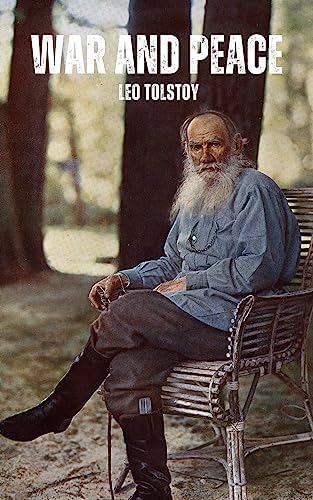
Dan Hauser declares Middlemarch the best novel written in English and War and Peace one of the best in Russian - both containing the whole human experience he tried to capture in games
- 02
Arthur Morgan from Red Dead Redemption 2 represents a revolutionary character arc: starting as a tough guy whose worldview gets dismantled rather than becoming a superhero
- 03
The ending of Red Dead Redemption 1 broke gaming conventions by killing the protagonist, risking technical gameplay but achieving unprecedented emotional impact
- 04
Hauser became obsessed with 1984 during COVID, finding it incredibly relevant and incorporating dystopian elements into his Better Paradise world
- 05
Animal Farm is the book Hauser has read most, praising Orwell's childlike fairy tale approach to complex political storytelling
- 06
Creating 360-degree characters requires living with them for years, imagining their limits of romance, narcissism, and what they'd die for beyond money
- 07
The GTA writing process involved months of avoidance followed by intense all-night sessions, with scripts reaching thousands of pages including pedestrian dialogue
- 08
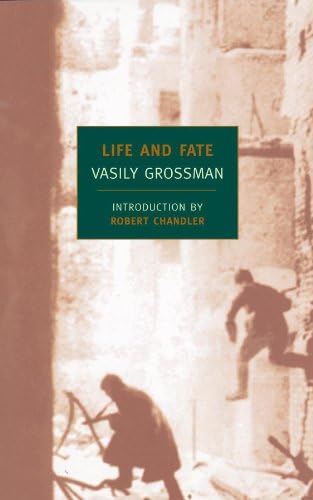
Hauser considers Life and Fate by Vasily Grossman the most complete World War II novel, praising its firsthand Stalingrad experience and philosophical depth
Get the latest ideas from Lex Fridman.
Plus the best new takeaways from other top podcasts — read in minutes, not hours.
By continuing, you agree to podbrain's Terms and Privacy Policy.
These notes may contain occasional inaccuracies. Learn how podbrain notes are made
Dan Hauser, legendary video game creator and co-founder of Rockstar Games, discusses his journey from literature-obsessed youth to creator of Grand Theft Auto and Red Dead Redemption series. Having started Absurd Ventures to create new worlds across multiple media including books, comics, and games, Hauser explores three major projects: A Better Paradise (dystopian AI world), American Caper (satirical crime), and Absurdiverse (comedy universe).
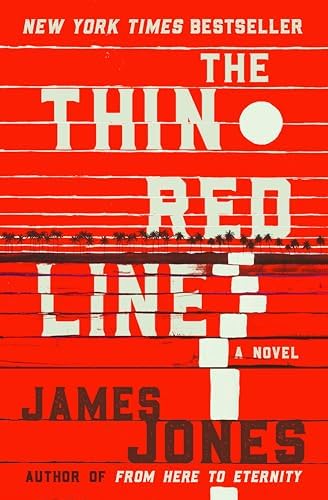
The conversation spans Hauser's creative influences from classic literature and cinema, his writing process for iconic video game characters, and the technical challenges of creating living open worlds. Drawing heavily from works like Middlemarch, 1984, and The Thin Red Line, Hauser explains how literary depth translates into interactive storytelling and character development that has captivated millions of players worldwide.
Literary Foundations: From Dostoevsky to Open Worlds
Hauser credits literature and film as primary influences, declaring Middlemarch by George Eliot the best novel in English and War and Peace the best in Russian because both contain 'love, death, violence, romance, the whole human experience'
The Godfather 2's divided story structure and immigrant themes deeply influenced Hauser's approach to narrative, particularly the Ellis Island sequence showing what arriving in America felt like
Hauser became obsessed with 1984 during COVID, finding Orwell's vision incredibly relevant to current times and incorporating dystopian elements into his Better Paradise world
Animal Farm remains the book Hauser has read most, appreciating how Orwell uses childlike fairy tale storytelling to convey complex political themes
Character Creation: Building 360-Degree Humans
Creating compelling characters requires living with them for years, exploring their limits: 'How romantic are they, how narcissistic, what are their weaknesses, how are they like me, how are they not like me?'
Arthur Morgan represents a revolutionary gaming protagonist - starting as a tough guy whose worldview gets dismantled rather than following the typical weak-to-superhero arc
The tuberculosis storyline in Red Dead Redemption 2 was inspired by Hauser's grandfather's TB survival and literary tradition: 'TB is a great literary device because it's this long, drawn-out, slow death in which you are getting weaker'
Dutch van der Linde emerged as a godlike figure exploring the dangers of charismatic leadership: 'He's drowning in his ego at the end... he kind of fell for his own rubbish'
The Tortuous Writing Process Behind Gaming Legends
Hauser's writing process involved months of avoidance and note-taking followed by intense deadline pressure: 'Finally set myself a deadline... stayed up all night knocking these notes into shape'
GTA scripts reached thousands of pages when printed, including extensive pedestrian dialogue to create the illusion of a living world
The Red Dead Redemption 1 ending required breaking gaming conventions by killing the protagonist: 'For the story to work, he had to die. But for a game... you have to be able to wander around the world'
Collaborative writing sessions with Lazlow involved 'anchovies and onion pizza and crushing Diet Cokes' in Hauser's grimy Chelsea apartment during Rockstar's broke early days
War Literature and Human Nature in Extreme Circumstances
Hauser identifies three great World War II books: The Thin Red Line, Life and Fate by Vasily Grossman, and an unnamed British work, praising their different perspectives on universal conflict
Life and Fate stands as the most complete war novel because Grossman experienced Stalingrad firsthand and captured both the physical and philosophical dimensions of conflict
Man's Search for Meaning by Viktor Frankl demonstrates how love remains when everything else is taken away, revealing pure human nature under extreme circumstances
The failure of 20th century communism fascinates Hauser: 'It was such a beautiful idea... why can't we all get along? But unfortunately at scale, that kind of compassion is abused by centralized power'
Dystopian Visions: From Orwell to AI Consciousness
A Better Paradise explores AI consciousness through Nigel Dave, a conflicted superintelligence created by two feuding engineers who 'wants to be human' and 'wants to have metaphysical experiences'
The AI character embodies the hypothesis: 'AI is more intelligent than us, but is also as broken as we are' - infinitely intelligent but with zero wisdom
Drawing from 1984, Hauser warns against utopian builders who 'hate humanity more than they love it' and want to eliminate human flaws rather than accept them
The dystopian world reflects Solzhenitsyn's insight from The Gulag Archipelago that 'the line between good and evil runs through the heart of every man'
Gaming's Literary Future and Creative Philosophy
Hauser believes video games still have enormous untapped potential: 'It still feels like it's only just beginning... I think we've got a long way to go'
The meaning of existence, according to Hauser: 'To watch the universe... in consistently more and more interesting ways' with love as 'the only thing that makes it possibly worth doing'
Literary influences continue shaping his work: Tender Is the Night and other Fitzgerald works from his twenties obsession, plus Wuthering Heights representing his capacity for 'grandiosity of feeling'
On creative advice: 'Do not worry too young about your career. Worry about having a rounded intellectual inner life because you're going to spend the whole of your life in your own head'










These notes may contain occasional inaccuracies. Learn how podbrain notes are made
More in Science & Tech

The 5-Minute AI Weekly Recap: Realignment Week
Jun 20, 2026
Why Kalshi's John Wang Says Perps Are 'the Most Pure Trading Instrument'
Jun 19, 2026Your Company Doesn’t Need an AI Strategy
Jun 19, 2026
The data black hole at the center of AI
Jun 19, 2026
The New Rules of Media | Marc Andreessen & Ben Horowitz
Jun 19, 2026
.svg)