
Advice Line with Marcia Kilgore of Beauty Pie (June 2025)
This Advice Line episode features serial entrepreneur Marcia Kilgore, founder of Beauty Pie, Bliss, Soap and Glory, and FitFlop, advising three early-stage founders. Marcia brings expertise in beauty industry distribution, brand building, and scaling consumer products across multiple successful ventures.

Episode


- 01
Beauty industry markups reach 1,200% minimum - a $5 manufactured product retails for $60 due to multi-layer distribution
- 02
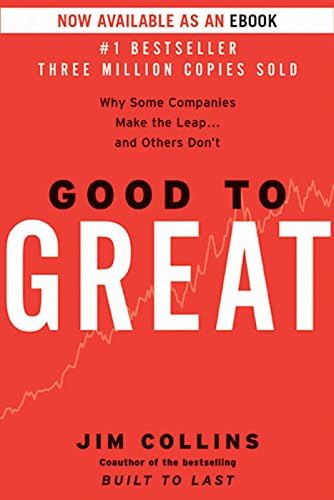
Good to Great principle: 'fire a bullet before you fire a cannonball' - test small before making big investments
- 03
Fear of failure affects all entrepreneurs - 'it's a cop-out to say you have fear of failure because it gives you an excuse to not do what you have to do' - Marcia
- 04
Social media lines create powerful marketing - 'nothing is better for your business than a line out the door of people waiting for ice cream' - Marcia
- 05
Predictably Irrational shows people prefer removing options rather than adding them - start with fully-loaded products and let customers subtract
- 06
AI and Meta advertising enable cheap testing - spend little money testing with 1,000 people before manufacturing large quantities
- 07
Brand names matter critically - avoid spellings that don't match common usage as it creates immediate handicaps
- 08
Direct customer feedback through digital channels provides immediate validation that wasn't available to earlier entrepreneurs
Get the latest ideas from How I Built This with Guy Raz.
Plus the best new takeaways about marketing from other top podcasts — read in minutes, not hours.
By continuing, you agree to podbrain's Terms and Privacy Policy.
These notes may contain occasional inaccuracies. Learn how podbrain notes are made
This Advice Line episode features serial entrepreneur Marcia Kilgore, founder of Beauty Pie, Bliss, Soap and Glory, and FitFlop, advising three early-stage founders. Marcia brings expertise in beauty industry distribution, brand building, and scaling consumer products across multiple successful ventures.
The conversation covers three distinct business challenges: Victor Garcia from Sol Diaz Ice Cream navigating between brick-and-mortar expansion versus wholesale distribution, Lydia Welsh from Clear Story Skincare overcoming fear of failure in marketing, and Jack Boland from Wampy Bags solving customer drop-off issues in his custom bike bag ordering process.
Throughout the advice, Marcia draws on principles from Good to Great by Jim Collins, behavioral insights from Predictably Irrational by Dan Ariely, and references How I Built This as essential business reading. The discussion emphasizes practical testing strategies, brand positioning, and customer psychology in building sustainable businesses.
Beauty Industry's Hidden 1,200% Markup Problem
Traditional beauty distribution creates massive price inflation - 'something that is manufactured for $5 would retail for $60 at minimum because the retailer themselves are taking at least half of that' - Marcia
Beauty Pie's warehouse pricing model stops at 3x manufactured cost versus industry standard of 10-20x markup, offering luxury quality at transparent pricing
New brands face even higher retailer demands - 'they will demand higher percentages of that pie because they have the shelf space and you don't really have much negotiating leverage' - Marcia
Sol Diaz Ice Cream's Dual-Channel Strategy Dilemma
Victor Garcia's Mexican paleta business generates $1.5M revenue across three Dallas-Fort Worth locations with 35-40% annual growth, split 60% retail stores and 40% wholesale
Net margins favor wholesale slightly at 20% versus 17% for retail stores, but retail provides crucial brand marketing and customer experience
Marcia's advice: focus on 2-3 flagship stores with lines out the door rather than expanding to 20 locations - 'nothing is better for your business than a line out the door of people waiting for ice cream'
Non-frozen products like spicy gummies offer easier wholesale distribution without refrigerated shipping costs and extreme weather vulnerabilities
Overcoming Founder Fear Through Testing and Iteration
Lydia Welsh's Clear Story Skincare faces common founder paralysis - 'I find myself holding back from pitching and marketing because I'm afraid to fail'
Marcia's direct response: 'Everybody has fear of failure. Everybody. It's a cop-out to say you have fear of failure because it just gives you an excuse to not go do what you have to do'
Brand name creates immediate handicap - customers spelling 'Clear' correctly won't find 'Cler Story' products, requiring constant explanation and correction
AI-powered Meta advertising enables cheap validation testing - learn the platform through ChatGPT training programs and test with small audiences before major investments
Behavioral Science Fixes for Customer Drop-Off
Jack Boland's Wampy Bags faces momentum loss when customers wait for sizing postcards in custom bike bag ordering process
Predictably Irrational principle applied: 'if someone was ordering a pizza, you would start with giving them 10 toppings and let them remove them rather than asking them to add them' - Marcia citing Dan Ariely
Email follow-up sequence crucial - send check-ins every 3 days, not 2 weeks: 'Don't be too polite. People are getting constantly barraged with emails'
Three-tier pricing psychology works - small/medium/large options where 'people feel more responsible if they just go for the medium' and superior choosing large
Jim Collins' Bullet-Before-Cannonball Philosophy
Good to Great testing principle: 'fire a bullet before you fire a cannonball, which means you're going to test small before you do anything big' - Marcia
Modern entrepreneurs have advantages through digital feedback - 'you can put your thing out there and just get straight immediate feedback from people and listen to it and use it as a tool'
Focus on core competencies while looking sideways - Good to Great suggests focusing 'on what you're good at' then examining 'tangential things to try and do something different'


These notes may contain occasional inaccuracies. Learn how podbrain notes are made
More in Finance & Business

The Biggest Pivot In AI History Is Happening Right Now | Jordi Visser
Jun 20, 2026
How Substack Creators Are Covering This Strange Markets Era
Jun 20, 2026
#422 Joseph Pulitzer
Jun 20, 2026
World's First Trillionaire, Anthropic Fable Banned, The New Oligarchs, Iran Peace Deal
Jun 19, 2026Anthropic's Co-Founder and Top Economist on Doing Research at the AI Frontier
Jun 19, 2026
.svg)