
The Best Stocks in History (EP. 457)
Michael Batnick and Ben Carlson discuss how markets have become the primary regulator of global events, with military actions and major announcements now coordinated around market hours. They explore the psychological dynamics keeping markets resilient despite geopolitical tensions, oil price volatility, and concerns...

Episode


- 01
Markets now coordinate around major announcements, with military actions timed to market hours - "Markets basically rule everything now" - Michael
- 02
Massive trades hit futures markets just minutes before Trump's Iran announcement, suggesting potential insider trading activity
- 03
Microsoft stock down 31% from highs, representing $1.2 trillion in lost market value despite broader market resilience
- 04
New car payments averaged $774 monthly in January 2025, up from $588 in 2021, with 20% of borrowers paying over $1,000
- 05
AI study of 164,000 workers shows technology intensified work across all categories rather than reducing workloads
- 06
Private credit's worst historical year was 2008 at -6.5% returns, contextualizing current concerns about the asset class
- 07
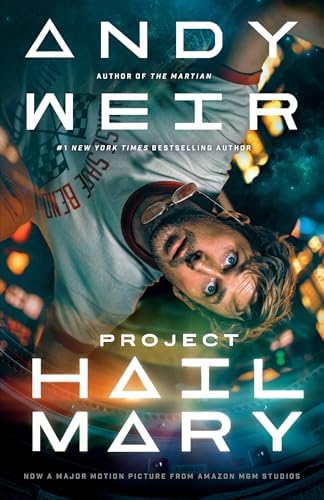
Project Hail Mary became only the second non-sequel to open above $80 million domestically in the past decade
- 08
Pending home sales hit lowest level in recorded history while housing remains 20% of the economy
Get the latest ideas from Animal Spirits Podcast.
Plus the best new takeaways about investing from other top podcasts — read in minutes, not hours.
By continuing, you agree to podbrain's Terms and Privacy Policy.
These notes may contain occasional inaccuracies. Learn how podbrain notes are made
Michael Batnick and Ben Carlson discuss how markets have become the primary regulator of global events, with military actions and major announcements now coordinated around market hours. They explore the psychological dynamics keeping markets resilient despite geopolitical tensions, oil price volatility, and concerns about insider trading around policy announcements.
The conversation covers the concentrated nature of stock market returns, referencing updated research showing even greater concentration of wealth creation among fewer companies. They examine housing market paralysis, AI's impact on work intensity, and the growing importance of tax-aware investing strategies.
The hosts also discuss entertainment, particularly praising the film adaptation of Project Hail Mary, while touching on technology's effects on education, the challenges facing teachers, and various market dynamics from private credit concerns to the rise of tax-efficient investment strategies.
Markets Rule Everything: Geopolitics Meets Trading Hours
"Markets basically rule everything now" - Michael notes how military actions and major announcements are now coordinated around market open and close times, with markets serving as the primary regulator of global events.
Massive unusual trades hit futures markets 4-6 times larger than normal just minutes before Trump's announcement to halt Iran attacks, suggesting potential insider trading activity.
The S&P 500 spiked 2.5% on Iran ceasefire rumors, then held most gains even after Iranian officials called it "fake news," demonstrating market resilience and the "Trump put" psychology.
Energy spending represents only 2% of household budgets versus 6% in the early 1980s, giving consumers greater capacity to handle sustained higher gas prices.
Stock Market Concentration Reaches Extreme Levels
Updated Bessenbinder research shows 46 firms now account for half of $91 trillion in total net wealth creation, demonstrating increasing concentration over the past decade.
NVIDIA leads with 37% annualized returns since 1999, while many top-performing stocks over 20+ year periods are companies most investors have never heard of.
Home Depot delivered 0% cumulative returns since April 2021 despite $9 trillion in home sales during that period, illustrating how markets can anticipate and price in economic trends.
Microsoft down 31% from highs, losing $1.2 trillion in market value as AI enthusiasm wanes, while 40% of the index remains in bear market territory beneath the surface.
Housing Market Frozen Despite Economic Activity
Pending home sales hit the lowest level in recorded history, creating an "absolute ice age" in housing transactions despite housing representing 20% of the economy.
2.2% of rental listings on Zillow were previously listed for sale, reaching record highs as homeowners with 3% mortgages become "accidental landlords" rather than sell.
New car payments averaged $774 monthly in January 2025, up from $588 in 2021, with over 20% of borrowers now paying more than $1,000 per month.
Articles emerge about homebuyer regret, with buyers saying "If I just invested my money in the stock market instead of buying a home, I'd be a lot richer" - Andrea, 27.
AI Intensifies Work Rather Than Reducing It
Study of 164,000 workers across 443 million hours found AI intensified activity across nearly every category, with email and messaging time more than doubling after AI adoption.
High school teacher reports "90% of students have no desire to use AI as an amazing tool to follow their curiosity" but instead use ChatGPT to complete homework without learning.
Teachers increasingly report technology making their jobs harder, with students bringing doctor's notes requiring phone access for anxiety and parents enabling technology dependence.
"My main goal is to prevent as many young adults as I can from being ruined by technology" - high school teacher describing the shift from content teaching to technology management.
Tax-Aware Investing Becomes Trillion-Dollar Business
Bloomberg reports tax-efficient strategies for wealthy investors have become a $1 trillion business, including direct indexing, exchange funds, and private placement life insurance.
"If people who aren't rich knew how easy it is, how many avenues there are to defer taxes, I think they would be madder than they are about the rich" - Michael on wealth management tools.
Kalshi blocks athletes and politicians from trading on their platform, addressing concerns about potential conflicts of interest and insider information.
Private credit's worst historical year was 2008 with -6.5% returns, contextualizing current concerns about the illiquid asset class amid software company disruptions.
Entertainment Success Story: Project Hail Mary
Project Hail Mary joins Christopher Nolan's Oppenheimer as only the second non-sequel to open above $80 million domestically in the past decade.
The film adaptation stayed true to Andy Weir's novel about an astronaut who wakes up on a spaceship with no memory, teaming up with an alien to save Earth from sun-eating microbes.
IMAX theaters captured 20% of domestic box office with just 2% of theaters, demonstrating the premium experience value for blockbuster science fiction.
Ryan Gosling credited author Andy Weir during promotion, saying "we wanted to stay true to this guy's book because the book was so good. We just didn't want to mess it up."
These notes may contain occasional inaccuracies. Learn how podbrain notes are made
More in Finance & Business

The Biggest Pivot In AI History Is Happening Right Now | Jordi Visser
Jun 20, 2026
How Substack Creators Are Covering This Strange Markets Era
Jun 20, 2026
#422 Joseph Pulitzer
Jun 20, 2026
World's First Trillionaire, Anthropic Fable Banned, The New Oligarchs, Iran Peace Deal
Jun 19, 2026Anthropic's Co-Founder and Top Economist on Doing Research at the AI Frontier
Jun 19, 2026
.svg)