
SpaceX-Cursor Deal, SaaS Debt Bomb, New Apple CEO, SPLC Indictment, Colon Cancer Spike
Jason Calacanis hosts the All-In Podcast episode 270 with co-hosts David Sacks (recently meeting with President Trump at the White House), Chamath Palihapitiya (SpaceX shareholder), and David Freeberg (PCAST member). Sacks shares insights from his White House meeting, praising Trump's approach to AI policy and data...


- 01
SpaceX will acquire Cursor for $60 billion by 2026 or pay $10 billion as breakup fee, targeting $2 trillion IPO valuation
- 02
Toma Bravo handed Medallia back to creditors after $5.1 billion equity wipeout, with debt costs tripling to $300 million annually
- 03
SPLC indicted on 11 counts of wire fraud and money laundering for allegedly funding $3 million to infiltrate hate groups
- 04
Tim Cook steps down as Apple CEO after 15 years, with market cap growing 10x to over $3 trillion under his leadership
- 05
New research links pesticide piclorum to 80% rise in colorectal cancer among people under 50 over past two decades
- 06
AI agents are replacing SaaS products, causing major deflation in enterprise software pricing and business models
- 07
Kevin Warsh expects AI to drive unprecedented productivity growth but warns of potential labor market disruptions
- 08
Private equity debt-financed buyouts face crisis as SaaS companies lose predictable cash flows to AI disruption
Get the latest ideas from All-In Podcast.
Plus the best new takeaways about artificial intelligence from other top podcasts — read in minutes, not hours.
By continuing, you agree to podbrain's Terms and Privacy Policy.
These notes may contain occasional inaccuracies. Learn how podbrain notes are made
Jason Calacanis hosts the All-In Podcast episode 270 with co-hosts David Sacks (recently meeting with President Trump at the White House), Chamath Palihapitiya (SpaceX shareholder), and David Freeberg (PCAST member). Sacks shares insights from his White House meeting, praising Trump's approach to AI policy and data center development.
The conversation covers SpaceX's major acquisition of AI coding startup Cursor, the collapse of SaaS valuations exemplified by Toma Bravo's Medallia writeoff, and Tim Cook's retirement from Apple after transforming the company into a $3 trillion enterprise. The hosts examine how AI agents are disrupting traditional software business models.
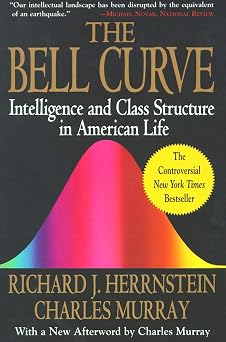
Additional topics include the Southern Poverty Law Center's federal indictment for allegedly funding hate groups while claiming to fight racism, and Freeberg presents new research linking the pesticide piclorum to rising colorectal cancer rates in young people. The discussion touches on cancel culture dynamics, referencing controversial works like The Bell Curve in the context of Sam Harris being targeted by advocacy groups.
SpaceX's $60 Billion Cursor Acquisition Reshapes AI Coding
SpaceX signed a deal to acquire AI coding startup Cursor for $60 billion by end of 2026, or pay $10 billion breakup fee, with Cursor's revenue projected to triple from $2 billion to $6 billion run rate.
"XAI was not built right the first time around, so is being rebuilt from the foundations up" - Elon Musk, explaining the strategic rationale for vertical integration.
Elon's 550,000 GPU Colossus cluster scaling to 1 million provides compute advantage that Cursor desperately needed, solving their infrastructure constraints while giving SpaceX coding expertise.
The deal structure prevents SpaceX's S-1 IPO filing from going stale, targeting $2 trillion valuation at 80x revenue multiple for September IPO.
SaaS Debt Bomb Explodes as AI Agents Replace Software
Toma Bravo handed Medallia back to creditors, wiping out $5.1 billion in equity after debt servicing costs tripled from $100 million to $300 million annually.
"All learning is anti-forgetting, so spaced repetition is key" - the core insight driving enterprises to build custom AI agents rather than buy expensive SaaS products.
SaaS companies face existential crisis as enterprises spin up AI agents for fraction of traditional software costs, with Salesforce down 32% and Snowflake down 43% in six months.
Kevin Warsh testified that AI deflation will drive unprecedented productivity growth but may cause labor market dislocations as business costs plummet.
Private equity debt-financed buyouts become impossible when SaaS companies lose predictable cash flows to AI disruption, as debt holders require stable payments.
Tim Cook's Apple Legacy and Innovation Challenges
Tim Cook steps down after 15 years as Apple CEO, growing market cap 10x from $300 billion to over $3 trillion while maintaining brand integrity without major scandals.
John Turnus, 25-year Apple veteran who led iPad and AirPods development, takes over as CEO with mandate to revitalize innovation beyond iterating Steve Jobs' product line.
Apple missed major product categories under Cook including lightweight AR glasses, self-driving cars, and competitive AI assistant to replace underperforming Siri.
Cook's strategy focused on capital efficiency, shrinking share count by 44% and returning hundreds of billions to shareholders rather than pursuing moonshot innovations.
SPLC Indicted for Allegedly Funding Hate Groups
Southern Poverty Law Center indicted on 11 counts of wire fraud and money laundering for allegedly funneling $3 million to confidential informants in hate groups between 2014-2023.
SPLC allegedly paid informant F-37 over $270,000 to help plan 2017 Charlottesville Unite the Right rally, with revenue doubling from $58 million to $136 million post-Charlottesville.
Organization accumulated $822 million in offshore accounts while using hidden bank accounts under fictitious entities to conceal payments from donors.
The case illustrates how advocacy groups may create problems they claim to solve, similar to how The Bell Curve author Charles Murray was targeted despite legitimate academic discourse.
Pesticide Linked to Rising Colon Cancer in Young People
New Barcelona research identified pesticide piclorum as primary environmental trigger for 80% rise in colorectal cancer among people under 50 over past two decades.
Epigenomic analysis of cancer tissue samples revealed piclorum exposure causes specific gene expression changes that predispose cells to malignancy in younger patients.
Piclorum, developed by Dow Chemical in 1963, persists in environment for over a year and hasn't undergone EPA safety review since 1995, before modern epigenomic testing.
Counties with higher piclorum usage showed 3x higher odds ratio for colon cancer incidence, demonstrating clear geographic correlation with pesticide application.
These notes may contain occasional inaccuracies. Learn how podbrain notes are made
More in Finance & Business

Jamie Dimon succession race narrows
Jun 26, 2026
HIGHLIGHTS: Miljan Gutovic - CEO of Holcim
Jun 26, 2026
Will The K-Shaped Economy Destroy America? | Darius Dale
Jun 25, 2026
Is DePIN Entering Its Next Growth Phase?
Jun 25, 2026
Gretchen Rubin - How Curiosity Becomes a Calling (Ep. 320)
Jun 25, 2026
.svg)