
Gretchen Rubin - How Curiosity Becomes a Calling (Ep. 320)
In this episode of Infinite Loops, host Jimmy Soni, editor-in-chief of Infinite Books, sits down with bestselling author Gretchen Rubin to explore her transition from a prestigious legal career—including clerking for Supreme Court Justice Sandra Day O'Connor—to becoming a full-time writer. Rubin describes how her...


- 01
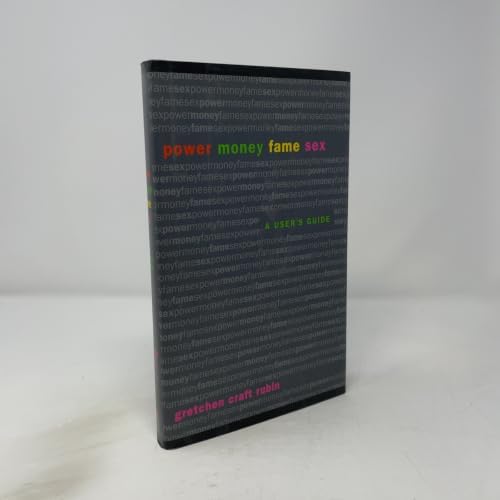
Rubin's transition from law to writing Power, Money, Fame, Sex A User's Guide was driven by an irresistible, compulsive "tractor beam" of curiosity.
- 02
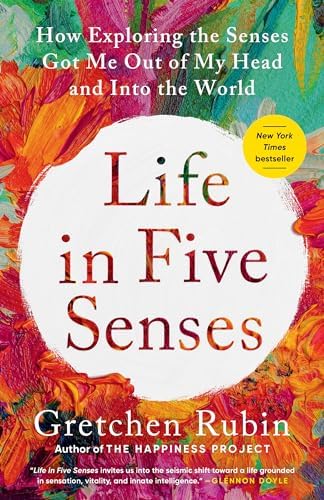
In Life in Five Senses, Rubin simplified her structure from eleven senses to five, proving that constraints often clarify complex creative projects.
- 03
Working on a "hooky book" like Outer Order, Inner Calm while writing Better Than Before can keep a writer's creative energy fresh and productive.
- 04
Soni's experience with Rome's Last Citizen shows that books often act as randomness machines, finding passionate, unintended audiences like the modern Stoic movement.
- 05
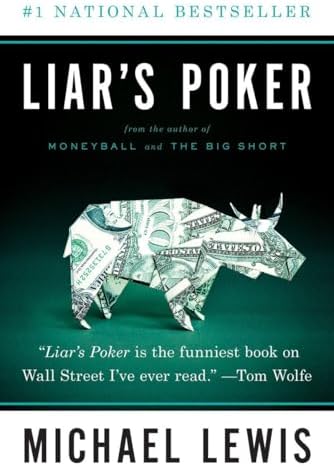
As seen with Liar's Poker, authors must leave a "reader-sized hole" because audiences will inevitably interpret and apply books in unexpected ways.
- 06
Rubin encourages a love of reading in her children by recommending high-payoff, engrossing novels like Donna Tartt's The Secret History.
- 07
Rubin structures her summers around deep-dive reading projects, previously tackling Marcel Proust's In Search of Lost Time to maintain her intellectual discipline.
- 08
Childhood classics like The Chronicles of Narnia and Charlotte's Web demonstrate that great children's literature stands as masterpieces on their own terms.
Get the latest ideas from Infinite Loops.
Plus the best new takeaways about reading from other top podcasts — read in minutes, not hours.
By continuing, you agree to podbrain's Terms and Privacy Policy.
These notes may contain occasional inaccuracies. Learn how podbrain notes are made
In this episode of Infinite Loops, host Jimmy Soni, editor-in-chief of Infinite Books, sits down with bestselling author Gretchen Rubin to explore her transition from a prestigious legal career—including clerking for Supreme Court Justice Sandra Day O'Connor—to becoming a full-time writer. Rubin describes how her intense curiosity led to her debut book, Power, Money, Fame, Sex A User's Guide, and her collaborative art book, Profane Waste, which investigated why people destroy their own property. The conversation traces her evolution through major works like The Happiness Project and Life in Five Senses, detailing her unique creative habits, editing workflows, and the concept of "hooky books."
Soni shares his own experiences writing Rome's Last Citizen and Jane's Carousel, illustrating how books often find unexpected audiences. Finally, Rubin shares her structured approach to seasonal reading, including her plans to tackle The Diaries of Virginia Woolf, and offers her core life philosophies of self-knowledge and the Golden Rule.
From the Supreme Court to the Writer's Desk
Rubin went to law school for "all the classic wrong reasons" but excelled, serving as editor-in-chief of the Yale Law Journal and clerking for Supreme Court Justice Sandra Day O'Connor.
A simple lunch-break question about what interests everyone—"power, money, fame, sex"—sparked an intense research obsession that led her to buy a guide on writing nonfiction proposals.
Rubin's debut book, Power, Money, Fame, Sex A User's Guide, marked her transition to professional writing: "I'd rather fail as a writer than succeed as a lawyer" - Gretchen.
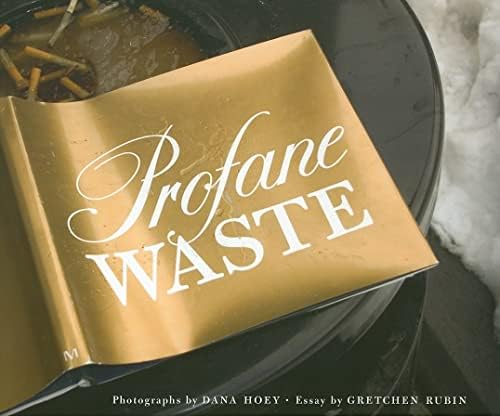
Her fascination with property destruction and the Native American potlatch tradition led her to write a law paper, a novel, and eventually the collaborative art book Profane Waste.
The Compulsion of Curiosity and Unfinished Projects
Rubin describes her creative drive as a compulsive, "tractor beam" force that she cannot resist, even when projects do not find commercial success.
An intense preoccupation with color led Rubin to write My Color Pilgrimage, which she later adapted into a bonus feature for her Substack subscribers after traditional publishers passed on it.
Rubin advises creators that losing interest 80% of the way through a project is often a hidden fear of failure: "Take it all the way and then let it succeed or fail" - Gretchen.
Childhood Reading and Cultivating a Love for Literature
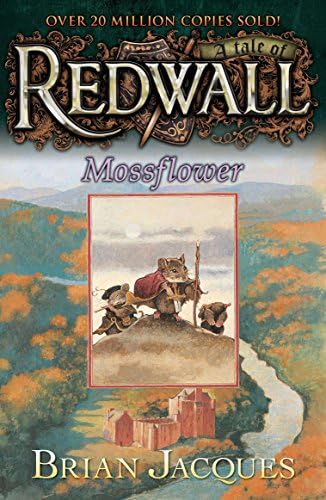
Growing up in an avid reading household, Rubin read adult classics like Jane Eyre and David Copperfield early, alongside fantasy series like Brian Jacques's Mossflower and Mattimeo.
Rubin maintains a deep love for children's literature, arguing that C.S. Lewis's The Chronicles of Narnia and E.B. White's Charlotte's Web are genuine masterpieces on their own terms.
Rather than forcing her children to read, Rubin modeled reading behavior and recommended high-payoff books like Donna Tartt's The Secret History to spark their interest.
The Tactical Craft of Writing and Editing in 2026
Rubin often writes almost an entire book before pitching it, as seen with The Happiness Project, because she needs the structure fully developed to explain its potential.
During the writing of Life in Five Senses, Rubin originally structured the book around nine and then eleven senses before simplifying it to the classic five-senses framework.
Soni and Rubin both edit aggressively up to the final deadline, utilizing mobile devices to review drafts in "confetti minutes" and printing text in different fonts to see the words afresh.
Managing Creative Energy and the 'Hooky Book' Strategy
Rubin categorizes creators as "openers" who love starting new projects, and "finishers" who obsess over crossing the finish line, identifying herself as a finisher.
To manage creative energy, Rubin utilizes a "hooky book"—a side project like Outer Order, Inner Calm that she researched as a distraction while writing Better Than Before.
The Paradox of the Audience and the Reader-Sized Hole
Rubin's biography 40 Ways to Look at Winston Churchill succeeded because its audience was not beginners, but Churchill experts interested in her unique, multi-perspective take.
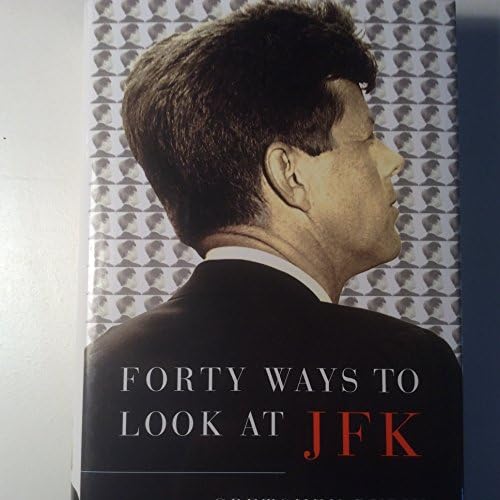
In contrast, 40 Ways to Look at JFK struggled to find its audience because Kennedy's legacy is highly polarized, and readers resisted a balanced, multi-lens approach.
Soni's biography Rome's Last Citizen found an unexpected, passionate audience within the modern Stoicism movement, illustrating how books act as "randomness machines."
Michael Lewis's Liar's Poker was written as a warning against Wall Street greed, yet readers famously used it as a how-to guide, proving that authors cannot control how their work is applied.
Soni shares how a simple note of appreciation to the creator of Jane's Carousel blossomed into a personal friendship and a collaborative coffee table book.
Structured Reading and the Pursuit of Self-Knowledge
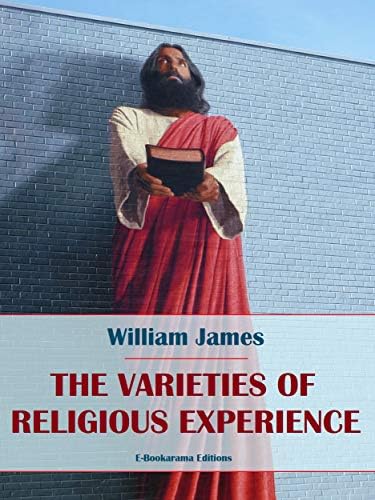
To ensure she tackles difficult books, Rubin designs structured summer reading projects, having previously dedicated summers to Marcel Proust's In Search of Lost Time and William James's The Varieties of Religious Experience.
Rubin's upcoming summer reading project is dedicated to reading the extensive, multi-volume work The Diaries of Virginia Woolf.
If made Emperor for a day, Rubin would implant two core ideas into the global psyche: "know thyself" and "do unto others as you would have them do unto you."










These notes may contain occasional inaccuracies. Learn how podbrain notes are made
More in Finance & Business

Jamie Dimon succession race narrows
Jun 26, 2026
HIGHLIGHTS: Miljan Gutovic - CEO of Holcim
Jun 26, 2026
Will The K-Shaped Economy Destroy America? | Darius Dale
Jun 25, 2026
Is DePIN Entering Its Next Growth Phase?
Jun 25, 2026
The Barbell Strategy for Surviving the AI Shift | Ep 982
Jun 25, 2026
.svg)