
Costco
This episode explores Costco's remarkable business model through the lens of its founding story, tracing the company's DNA back to Sol Price's revolutionary retail innovations in the 1950s. The hosts examine how Price's early experiences with FedMart and later Price Club established the wholesale membership model that...

Episode


- 01
Costco generates $230 billion in revenue with only 300,000 employees, achieving $750,000 revenue per employee through operational efficiency
- 02
The company maintains a strict 14% maximum markup cap on all products, with most items marked up only 11%, ensuring extreme value for members
- 03
Costco's negative cash conversion cycle means suppliers finance their inventory - they sell goods in 26 days but pay suppliers in 30 days
- 04
Kirkland Signature alone generates $52 billion annually, making it larger than Nike and the world's largest consumer packaged goods brand
- 05
The company has grown revenue at approximately 10% annually for over 30 years while maintaining 93% membership renewal rates
- 06
Costco processes 500 million chickens per year through vertical integration, including 130 million rotisserie chickens sold at a loss leader price
- 07
Their 3,800 SKU count enables 12.4x annual inventory turns versus Walmart's 8x, maximizing supplier negotiating power per product
- 08
Executive members spend three times more than regular members, with 55% of U.S. members upgrading to the $120 tier for 2% cashback rewards
Get the latest ideas from Acquired.
Plus the best new takeaways about creativity from other top podcasts — read in minutes, not hours.
By continuing, you agree to podbrain's Terms and Privacy Policy.
These notes may contain occasional inaccuracies. Learn how podbrain notes are made
This episode explores Costco's remarkable business model through the lens of its founding story, tracing the company's DNA back to Sol Price's revolutionary retail innovations in the 1950s. The hosts examine how Price's early experiences with FedMart and later Price Club established the wholesale membership model that Jim Senegal would perfect at Costco.
The conversation reveals how Costco's success stems from 50+ interconnected operational decisions that create a self-reinforcing system of extreme customer value. Key themes include the company's disciplined approach to SKU management, supplier relationships, employee compensation, and the membership model that generates 70% of operating income.
Drawing insights from Made in America by Sam Walton and Sol Price Retail Revolutionary and Social Innovator by Robert Price, the episode demonstrates how Costco's principles trace directly back to Sol Price's FedMart values from the 1950s, creating an unbroken chain of retail innovation spanning seven decades.
Sol Price's Revolutionary Retail Origins at FedMart
Sol Price was born in 1916 to Jewish immigrant parents who worked in New York's garment factories during the Triangle Shirtwaist Factory era, shaping his later progressive employee policies.
FedMart, launched in 1954, became the first successful discounter by exploiting membership club laws that allowed selling below manufacturer minimum prices - a loophole that didn't apply to general public retailers.
As documented in Sol Price Retail Revolutionary and Social Innovator, Price established four core principles: provide best value to customers, pay good wages with benefits, maintain honest business practices, and respect suppliers.
Jim Senegal started as a grocery bagger at FedMart and spent 22 years learning directly from Sol Price, eventually running the company's centralized warehousing operations that would inspire the wholesale club model.
Price Club's Wholesale Innovation and Cash Flow Mastery
After being forced out of FedMart in the early 1970s, Sol Price and his son Robert created Price Club in 1976, initially targeting business owners who needed wholesale purchasing and warehouse services.
The breakthrough came when San Diego City Credit Union requested group memberships for their members, accidentally unlocking the consumer market and creating viral word-of-mouth growth without advertising.
Price Club's revolutionary cash flow model: suppliers deliver directly to warehouses with 30-day payment terms, but goods sell within 26 days, creating a negative cash conversion cycle where vendors finance inventory.
The $1.50 hot dog and soda combo originated when local vendors wanted to set up carts at the first San Diego store, leading Price Club to partner directly with Hebrew National for what remains today's most famous loss leader.
Costco's Formation and Operational Excellence Under Jim Senegal
When Sol Price rejected the Brotman family's franchise request for Seattle in 1982, they recruited Jim Senegal to co-found Costco as a Price Club competitor, raising $7.5 million and opening their first warehouse within months.
Costco achieved $1 billion in revenue within three years and $3 billion within six years, becoming the first company ever to reach both milestones that quickly through aggressive expansion and operational discipline.
The 1993 merger creating PriceCostco reunited the wholesale club pioneers, with Jim Senegal as CEO leading a combined 200-store operation generating $16 billion in revenue.
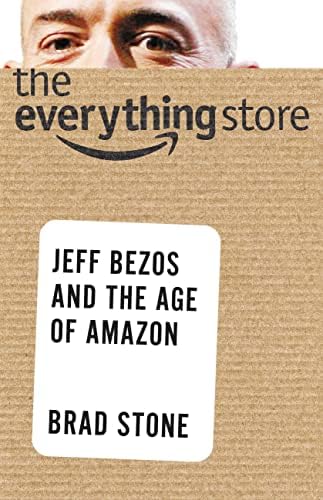
As chronicled in The Everything Store, Jim Senegal's 2001 coffee meeting with Jeff Bezos at Starbucks led Bezos to reverse Amazon's price increases, adopting Costco's philosophy of 'working hard to charge customers less.'
The Membership Model and Executive Tier Innovation
Costco's membership business generates approximately 70% of operating income with minimal overhead, while the retail operation provides the remaining 30% despite $230 billion in sales volume.
The 1998 Executive Membership launch at $120 (versus $60 base) offers 2% cashback capped at $1,000, with break-even at $3,000 annual spending - deliberately set near average household spend.
Executive members represent 55% of U.S. membership but spend three times more than regular members, creating powerful customer segmentation that rewards high-volume shoppers.
The company maintains 93% overall membership renewal rates, with executive members and Costco Visa cardholders showing even higher retention through what they call the 'triple play' loyalty system.
Kirkland Signature and Vertical Integration Strategy
Kirkland Signature, named after Costco's original Kirkland, Washington headquarters, generates $52 billion annually - exceeding Nike's total revenue and making it the world's largest consumer packaged goods brand.
Costco processes 500 million chickens annually through vertical integration, including operating their own facility in Fremont, Nebraska, processing 2 million chickens weekly to maintain pricing control.
The company vertically integrates only when it can provide superior member value, as with their three optical grinding labs for eyeglasses and direct relationships with 150 Nebraska-area chicken farmers.
Most suppliers must create unique SKUs exclusively for Costco, preventing direct price comparisons while often bundling extra items or accessories to enhance perceived value.
Scale Economics and Supplier Relationships
Costco's 3,800 SKU limit (versus Walmart's 100,000+) means they generate 10x the revenue per product, making them the largest customer for most suppliers despite lower total revenue than Walmart.
The company's 'tough but fair' supplier philosophy includes buyers who track commodity prices and call suppliers when costs decrease, ensuring price reductions pass through to members.
Costco's 92% cross-docking system moves pallets directly from supplier trucks to store-bound trucks within hours, compared to Walmart's 10% cross-docking rate, eliminating inventory holding costs.
Their Code of Ethics prioritizes: 1) Obey the law, 2) Take care of members, 3) Take care of employees, 4) Respect suppliers - notably omitting shareholders from the primary stakeholder list.



These notes may contain occasional inaccuracies. Learn how podbrain notes are made
More in Finance & Business
The Biggest Pivot In AI History Is Happening Right Now | Jordi Visser
Jun 20, 2026
How Substack Creators Are Covering This Strange Markets Era
Jun 20, 2026
#422 Joseph Pulitzer
Jun 20, 2026
World's First Trillionaire, Anthropic Fable Banned, The New Oligarchs, Iran Peace Deal
Jun 19, 2026Anthropic's Co-Founder and Top Economist on Doing Research at the AI Frontier
Jun 19, 2026
.svg)