
Most Replayed Moment: The Direct Path To Purpose And Happiness! These 2 Decisions Matter Most
This conversation features Gad Saad, evolutionary behavioral scientist and author, discussing the evolutionary basis of human behavior and happiness. Saad explains the mismatch hypothesis - how our ancestral programming creates problems in modern environments - and shares insights from his research on optimal life...

Episode


- 01
The mismatch hypothesis explains modern problems: evolutionary adaptations like craving fatty foods become maladaptive in abundant environments
- 02
Two choices determine happiness most: spouse selection and profession, with 50% of happiness coming from genes and 50% from choices
- 03
Birds of a feather flock together beats opposites attract for long-term marriage success - fundamental values must align
- 04
Temporal freedom and creative work provide the best path to occupational happiness and meaning
- 05
Later-born children are more likely to be creative innovators: 23 out of 28 radical scientific breakthroughs came from later-borns
- 06
Birth order creates Darwinian niche partitioning where younger siblings differentiate themselves through openness to experience
- 07
Creative impulse jobs like writing, comedy, and architecture offer direct paths to purpose through instantiating something new
Get the latest ideas from The Diary Of A CEO.
Plus the best new takeaways about creativity from other top podcasts — read in minutes, not hours.
By continuing, you agree to podbrain's Terms and Privacy Policy.
These notes may contain occasional inaccuracies. Learn how podbrain notes are made
This conversation features Gad Saad, evolutionary behavioral scientist and author, discussing the evolutionary basis of human behavior and happiness. Saad explains the mismatch hypothesis - how our ancestral programming creates problems in modern environments - and shares insights from his research on optimal life choices.
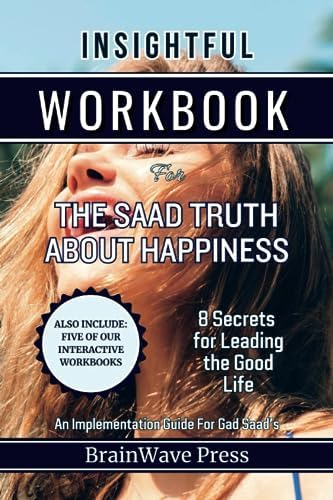
The discussion covers key themes from Saad's work including Eight Secrets for Leading the Good Life, which approaches happiness as a statistical game rather than guaranteed outcomes. Topics span from mate selection and career choices to the evolutionary psychology behind creativity and birth order effects, drawing from research detailed in The Consuming Instinct and Born to Rebel.
The Evolutionary Mismatch Shaping Modern Problems
The mismatch hypothesis explains how evolutionary adaptations become maladaptive in modern contexts - our attraction to fatty foods made sense during caloric scarcity but causes obesity in abundant environments.
"The top eight or nine killers on the World Health Organization thing, they can all be attributed to the mismatch hypothesis" - Gad, highlighting how evolutionary programming creates contemporary health crises.
Knowledge of these mismatches provides power to avoid behavioral traps, making awareness of our evolutionary programming crucial for modern decision-making.
The Two Fundamental Happiness Choices
Eight Secrets for Leading the Good Life identifies spouse and profession as the two choices that determine greatest happiness or misery, with 50% of happiness scores coming from genetics and 50% from choices made.
"If I wake up next to a person in the bed and I go, oh, God damn, not this one again. I'm not off to a good start" - Gad, illustrating how daily partner interactions compound over time.
Contrary to most self-help books, Saad emphasizes life as a statistical game where you can only increase odds of happiness, not guarantee outcomes - like how not smoking reduces but doesn't eliminate lung cancer risk.
Why Birds of a Feather Beat Opposites in Marriage
Research overwhelmingly supports "birds of a feather flock together" over "opposites attract" for long-term marriage success, though complementarity works in short-term relationships.
The key is alignment on fundamental life principles and values, not surface-level preferences like sports teams or hobbies - core deontological standards matter most.
"The butterflies, the hormones don't last when you've been in a marriage" - Gad, explaining why shared values sustain relationships beyond initial attraction.
Creative Work and Temporal Freedom as Happiness Drivers
Occupational happiness requires two metrics: temporal freedom and the ability to instantiate creative impulse, with jobs allowing both providing direct paths to purpose and meaning.
"An airplane pilot, once the door shuts, the next 16 hours from LA to Singapore, it's set" - Gad, contrasting scheduling constraints with his preferred temporal freedom to work flexibly.
Creative jobs like stand-up comedy, cooking, architecture, and writing offer unique satisfaction because they create something that didn't exist before, as illustrated in The Parasitic Mind writing process from blank document to finished book.
Birth Order and the Science of Creative Rebellion
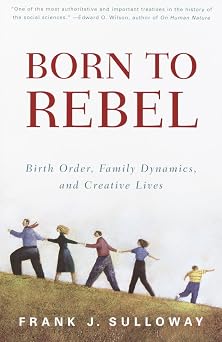
Born to Rebel by Frank Sulloway reveals that 23 out of 28 most radical scientific innovations came from later-born children, with The Consuming Instinct Chapter 4 showing younger siblings are more likely to be creative.
The Darwinian niche partitioning hypothesis explains this pattern: children differentiate themselves from siblings to maximize parental investment, with later-borns forced into more unconventional niches.
"There are fewer and fewer unoccupied niches left for later borns" - Gad, explaining how birth order forces personality differentiation and higher openness to experience in youngest children.
Saad's research extended this framework to consumer psychology, demonstrating that last-borns are more likely to be product innovators and early adopters of new technologies.


These notes may contain occasional inaccuracies. Learn how podbrain notes are made
.svg)