
The 10 Wildest Reboots in Movie History and ‘The Bride!’ Plus: A ‘Secret Agent’ Second Look and the Best Doc Contenders.
Sean Fennessy and Amanda Dobbins discuss three major topics: Maggie Gyllenhaal's ambitious $80 million reimagining The Bride starring Jesse Buckley and Christian Bale, the acclaimed Brazilian thriller The Secret Agent featuring Wagner Mora, and the complete slate of Best Documentary Feature nominees.

Episode


- 01
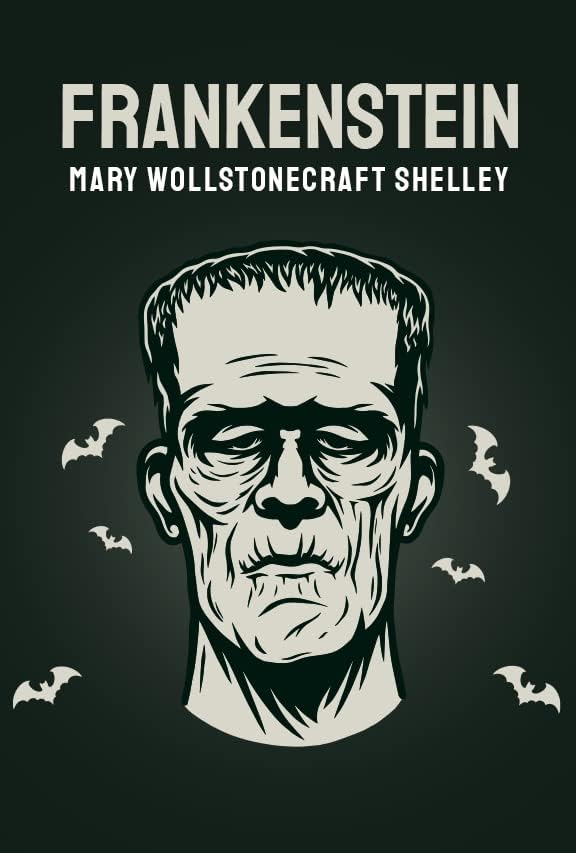
Frankenstein by Mary Shelley serves as source material for Maggie Gyllenhaal's $80 million reimagining, tracking for only $14-18 million opening weekend
- 02
The Secret Agent follows Wagner Mora across three roles spanning six years, utilizing police body cam footage and surveillance technology as narrative devices
- 03
All five Best Documentary nominees premiered at Sundance Film Festival, demonstrating the festival's continued dominance in documentary launching despite scripted film decline
- 04
Jesse Buckley's Oscar campaign faces potential 'Norbit effect' from The Bride's poor reception and controversial cat rehoming story circulating on social media
- 05
CIRCE and The Penelopiad represent the broader feminist retelling trend in literature that The Bride attempts to translate to cinema
- 06
The Secret Agent utilizes a phantasmagoric leg sequence based on real 1970s Brazilian newspaper metaphors used to circumvent censorship during military dictatorship
- 07
Documentary branch shows ethical concerns with Mr. Nobody Against Putin potentially endangering filmed Russian students while filmmaker fled to safety
Get the latest ideas from The Big Picture.
Plus the best new takeaways from other top podcasts — read in minutes, not hours.
By continuing, you agree to podbrain's Terms and Privacy Policy.
These notes may contain occasional inaccuracies. Learn how podbrain notes are made
Sean Fennessy and Amanda Dobbins discuss three major topics: Maggie Gyllenhaal's ambitious $80 million reimagining The Bride starring Jesse Buckley and Christian Bale, the acclaimed Brazilian thriller The Secret Agent featuring Wagner Mora, and the complete slate of Best Documentary Feature nominees.
The conversation explores The Bride's attempt to give agency to the wordless character from the 1935 Bride of Frankenstein film, drawing from Frankenstein by Mary Shelley where the female companion is destroyed before revival. They examine how this fits into the broader trend of feminist retellings like CIRCE and The Penelopiad that reimagine sidelined female characters from classic literature.
The Secret Agent discussion centers on Wagner Mora's triple performance as Marcelo/Armando/Fernando in this 1977 Brazil-set political thriller that uses surveillance footage and phantasmagoric elements to explore life under military dictatorship. The film's innovative structure and homages to 1970s conspiracy thrillers like those referenced in The Da Vinci Code's approach to reimagining established narratives receive particular attention.
The documentary segment examines all five Sundance-premiered nominees, raising ethical questions about consent, journalism standards, and the branch's preference for serious social issue films over more experimental or entertainment-focused documentaries.
The Bride's Feminist Frankenstein Gamble Falls Short
Maggie Gyllenhaal's The Bride reimagines Frankenstein by Mary Shelley, giving voice to the female companion destroyed before revival in the original novel, but tracking for only $14-18 million against its $80 million budget.
Jesse Buckley plays both Mary Shelley and the reanimated bride Ida, switching between British and American accents as the author inhabits the corpse, creating what Amanda calls 'incredibly irritating' character dynamics.
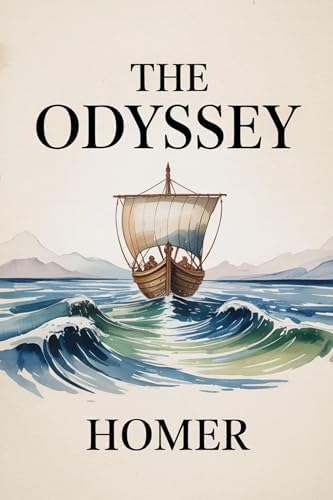
The film represents the broader feminist retelling trend exemplified by books like CIRCE and The Penelopiad, which reimagine female characters from The Odyssey and other classics, though Amanda questions 'what are we reclaiming?'
Sean compares the film favorably to Babylon for its ambitious messiness, while Amanda finds the heavy-handed approach similar to Don't Worry Darling's failed feminist messaging.
Reimagining Classic Stories: From Hook to The Da Vinci Code
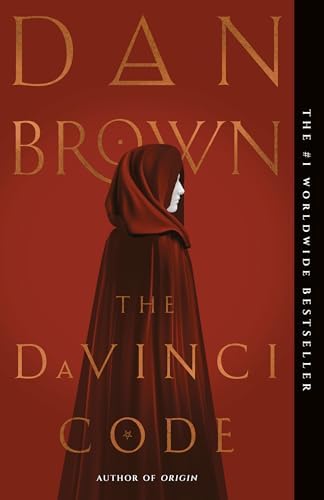
The conversation explores successful reimaginings like Hook's adult Peter Pan, Cronenberg's The Fly, and The Da Vinci Code which transforms the Holy Grail from Christ's chalice into 'the womb' representing feminine sacred power.
You've Got Mail demonstrates layered adaptation, based on Parfumery by Miklos Laszlo, then The Shop Around the Corner, showing how stories can be 'based on something and then based on something else.'
Amanda argues Force Awakens succeeded by simply 'making a girl a Jedi' without over-explaining gender dynamics, contrasting with feminist retellings that announce their intentions too heavily.
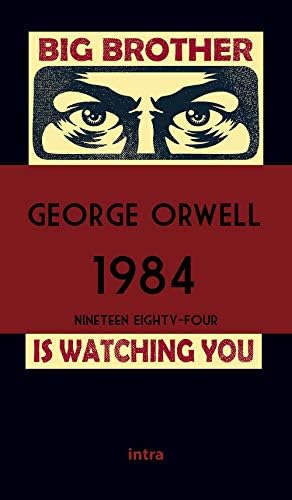
The discussion touches on fairy tale villain retellings like Cruella and references to Romeo and Juliet adaptations, plus 1984 retellings focusing on the Julia character.
The Secret Agent: Wagner Mora's Triple Performance Masterpiece
Wagner Mora delivers three distinct performances as Marcelo/Armando/Fernando across different time periods, with Sean noting 'he looks different in all three' through changes in haircut, complexion, and posture.
The film utilizes a phantasmagoric leg sequence based on real 1970s Brazilian newspaper metaphors, where journalists used surreal stories to communicate censored news about police violence and corruption during military dictatorship.
Mendoza cited Robert Altman, Brian De Palma, Sam Peckinpah, Scorsese, and Spielberg as influences, creating what Sean calls 'pure Alan Pakula' opening sequences reminiscent of 1970s conspiracy thrillers.
The film's languid pace allows viewers to 'sit in the world' of 1977 Recife, using Brazilian pop music and Hollywood movie references (Jaws, The Omen) to show how popular culture suffuses people's lives under political oppression.
Best Documentary's Ethical Dilemmas and Sundance Dominance
All five Best Documentary nominees premiered at Sundance Film Festival, demonstrating the festival's continued power in documentary launching despite declining influence in scripted films.
Mr. Nobody Against Putin raises serious ethical concerns as filmmaker Pasha Talikin 'secretly recorded many of his young students talking to camera by name' while fleeing Russia, potentially endangering those left behind.
The Perfect Neighbor utilizes police body cam footage to document a Florida stand-your-ground murder, creating what Amanda calls 'queasy feelings' about consent and the commodification of real tragedy.
Amanda criticizes the branch's preference for 'very serious, mostly well-made movies about very serious issues' over experimental documentaries, noting 'there's no room for anything that has some experimentation, a different tonality.'





These notes may contain occasional inaccuracies. Learn how podbrain notes are made
.svg)