
‘Project Hail Mary’ Will Amaze! Amaze! Amaze! With Phil Lord and Chris Miller
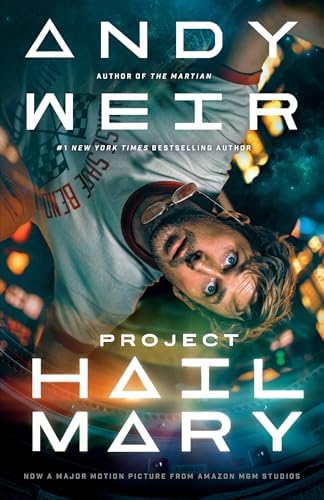
Sean Fennessey and Amanda Dobbins host this episode covering Oscar ratings decline, upcoming blockbusters, and an in-depth discussion of Project Hail Mary. The show features extensive analysis of the Ryan Gosling space film adapted from Project Hail Mary by Andy Weir, comparing it...

Episode


- 01
Oscar ratings dropped 9% to 17.86 million viewers, the lowest since 2022, attributed to late March timing and award season fatigue
- 02
Phil Lord and Chris Miller built Project Hail Mary entirely practically with no green screen, requiring sets five feet off the ground for puppeteers
- 03
Rocky the alien was operated by five puppeteers called 'Rocketeers' led by James Ortiz, allowing Ryan Gosling real scene partner interaction
- 04
The film's ships had dual gravity orientations requiring complete disassembly and reassembly between vertical and horizontal configurations
- 05
Greg Fraser and Paul Lambert called Project Hail Mary 'the most complex film we've ever worked on' despite making two Dune movies
- 06
The Martian made $630 million worldwide in 2015, setting expectations for Project Hail Mary's commercial potential
- 07
Netflix executives hinted at theatrical releases for major films like The Adventures of Cliff Booth and Narnia adaptations
Get the latest ideas from The Big Picture.
Plus the best new takeaways from other top podcasts — read in minutes, not hours.
By continuing, you agree to podbrain's Terms and Privacy Policy.
These notes may contain occasional inaccuracies. Learn how podbrain notes are made
Sean Fennessey and Amanda Dobbins host this episode covering Oscar ratings decline, upcoming blockbusters, and an in-depth discussion of Project Hail Mary. The show features extensive analysis of the Ryan Gosling space film adapted from Project Hail Mary by Andy Weir, comparing it frequently to Weir's previous adaptation The Martian.
The episode includes a detailed conversation with directors Phil Lord and Chris Miller about their practical filmmaking approach, puppet work, and the challenges of adapting Andy Weir's science-heavy novel. The hosts examine the film's Oscar potential, box office prospects, and place within the legacy of space cinema.
Oscar Ratings Hit New Lows Despite High Expectations
Oscar viewership dropped 9% year-over-year to 17.86 million, the lowest broadcast since 2022, contradicting predictions of an uptick.
The March 15th ceremony date was 'way too long' after the traditional January-February awards season, with audiences having 'moved on to their spring and summer pursuits.'
World Baseball Classic semifinal featuring US vs Dominican Republic drew 7.86 million viewers, potentially cutting into Oscar audience with unexpected sports competition.
Netflix Hints at Theatrical Future with Major Releases
Dan Lin and Bella Bajaria suggested Netflix would have maintained Warner Brothers' theatrical business if their acquisition succeeded, dropping hints about future theatrical plans.
The Adventures of Cliff Booth was listed for August release before being scrubbed from reports, suggesting potential theatrical window complications.
Greta Gerwig's Narnia adaptation and other high-profile Netflix films may receive theatrical releases through partnerships with legacy studios like Sony.
Project Hail Mary's Practical Filmmaking Revolution
Lord and Miller built the entire film practically with 'no green screen in the movie whatsoever,' requiring sets elevated five feet off the ground for puppeteer access.
Rocky the alien was operated by five puppeteers called 'Rocketeers' led by James Ortiz, allowing Ryan Gosling to act with a real scene partner rather than tennis balls.
The ship's dual gravity system required complete disassembly and reassembly between vertical lighthouse orientation and horizontal spinning configuration for each room.
'This is the most complex film we've ever worked on. And we made two dunes' - Greg Fraser and Paul Lambert describing the technical challenges.
Adapting Andy Weir's Science-Heavy Source Material
Project Hail Mary follows the same Drew Goddard adaptation formula as The Martian, translating complex science into 'middle school science' accessibility.
The film screened 11 times during post-production to ensure audiences weren't 'confused' or 'bored' by the scientific content, balancing education with entertainment.
Like The Martian, the movie functions as 'ingenuity porn' - watching characters solve complex problems through scientific methodology and resourcefulness.
Oscar Potential and Box Office Expectations
The Martian earned $630 million worldwide and Best Picture nomination, setting commercial and awards expectations for Project Hail Mary's similar space survival story.
The film's May release date positions it for potential year-end awards consideration, following the precedent of early-year releases like Dune and Top Gun: Maverick.
Below-the-line categories including production design, visual effects, and score appear strong contenders, with Daniel Pemberton's music earning particular praise.

These notes may contain occasional inaccuracies. Learn how podbrain notes are made
.svg)