
Day 34: The Passover Instituted (2026)
Father Mike Schmitz hosts this Bible in a Year podcast episode, reading from the Revised Standard Version Catholic Edition using Ascension's Great Adventure Bible timeline. This is day 34 of the year-long journey through Scripture from Genesis to...

Episode

- 01
The Passover lamb lived with families for a week before sacrifice, making it precious and meaningful - 'it becomes precious to you' - Father Mike
- 02
Archaeological evidence suggests Israelites covered their names inscribed on stone doorposts with lamb's blood, symbolizing transformation by Christ
- 03
Jesus was crucified at the exact moment Passover lambs were slaughtered in the temple, as noted in Gospel of John
- 04
Only circumcised covenant members could partake of the Passover meal, paralleling Catholic teaching on Eucharistic participation
- 05
The tenth plague was divine justice - Pharaoh had murdered all Hebrew male children, now Egypt's firstborn die
- 06
600,000 Israelite men plus women and children escaped Egypt after 430 years of bondage
- 07
Marking doorposts with lamb's blood was also 'burning their ships' - making return to Egypt impossible due to Egyptian sacred lamb beliefs
Get the latest ideas from The Bible in a Year (with Fr. Mike Schmitz).
Plus the best new takeaways from other top podcasts — read in minutes, not hours.
By continuing, you agree to podbrain's Terms and Privacy Policy.
These notes may contain occasional inaccuracies. Learn how podbrain notes are made
Father Mike Schmitz hosts this Bible in a Year podcast episode, reading from the Revised Standard Version Catholic Edition using Ascension's Great Adventure Bible timeline. This is day 34 of the year-long journey through Scripture from Genesis to Revelation.
The episode covers Exodus chapter 12 (the Passover narrative), Leviticus chapter 9 (Aaron's priestly offerings), and Psalms 114 (celebrating the Exodus). Father Mike provides extensive theological commentary connecting the Passover lamb to Christ as the ultimate sacrificial Lamb.
The discussion explores Old Testament typology, archaeological insights about Egyptian housing, and early Christian practices as described in Justin Martyr's First Apology. Father Mike emphasizes how the Passover foreshadows the Eucharist and Christian covenant membership.
The Passover Institution and Divine Justice
Exodus 12 establishes the Passover as Israel's foundational feast, with specific instructions for selecting unblemished lambs on the tenth day of the month and sacrificing them on the fourteenth day.
The tenth plague killing Egypt's firstborn represents divine justice - 'Pharaoh had murdered all Hebrew male children, now Egypt's firstborn die' - Father Mike explains this as proportional response to Egyptian infanticide.
600,000 Israelite men plus women and children escaped Egypt after exactly 430 years of bondage, fulfilling God's covenant promise to Abraham.
The Lamb's Week-Long Preparation and Sacrifice
Families brought lambs into their homes for a full week before sacrifice, creating emotional attachment - 'the lamb has value on its own, but when it lives with you for a week, then it becomes precious to you' - Father Mike.
The week-long period allowed time for circumcision and recovery, as only covenant members could partake of the sacrificial meal according to Exodus 12's explicit requirements.
This prefigures Christian preparation for Eucharist - 'is the Lord Jesus, who is the sacrificial Lamb, precious to us?' - Father Mike challenges listeners about their reverence.
Archaeological Insights on Doorpost Markings
Egyptian houses used mud brick construction but stone doorposts and lintels, where Egyptians inscribed their names believing this preserved them after death.
Israelites covering these inscribed names with lamb's blood symbolized being 'covered by the blood of the Lamb' and transformed by Christ's sacrifice - Father Mike connects to Christian identity.
Marking doorposts with sacred lamb blood was 'burning their ships' - making return to Egypt impossible since lambs were considered sacred to Egyptians.
Typological Connections to Christ and Eucharist
Gospel of John deliberately notes Jesus was crucified when Passover lambs were being slaughtered in the temple, establishing the typological connection Father Mike emphasizes.
John the Baptist's declaration 'Behold, the Lamb of God who takes away the sins of the world' directly connects Jesus to the Passover sacrifice.
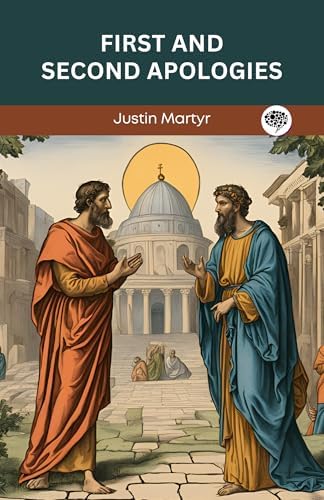
Justin Martyr's First Apology provides the earliest description of Eucharistic restrictions - only baptized covenant members can partake, paralleling Passover circumcision requirements.
The Eucharist fulfills Passover typology - 'We eat the flesh of this Lamb of God and we drink the blood of the Lamb of God. And it gives us freedom and it gives us life' - Father Mike.
Leviticus 9 and Psalm 114 Readings
Leviticus 9 describes Aaron's first priestly offerings on the eighth day, culminating in God's glory appearing to all people and divine fire consuming the sacrifices.
Psalms 114 celebrates the Exodus with poetic imagery - 'The sea looked and fled, Jordan turned back. The mountains skipped like rams, the hills like lambs' - commemorating God's power over creation.



These notes may contain occasional inaccuracies. Learn how podbrain notes are made
More in Spirituality & Religion

Day 142: Whole and Joyful Hearts (2026)
May 22, 2026
Day 141: The Life of David (2026)
May 21, 2026
Day 140: David's Prayer of Thanksgiving (2026)
May 20, 2026
Day 139: Reparation to the Gibeonites (2026)
May 19, 2026
Day 138: The Effect of Sin on Others (2026)
May 18, 2026


.svg)