
Bob Spitz on the Rolling Stones, Bruce Springsteen, and the Art of Biography
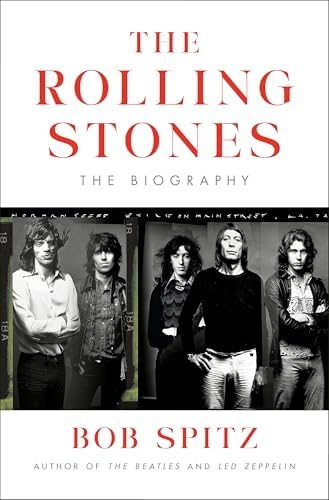
Tyler Cowen interviews Bob Spitz, the acclaimed biographer whose new book The Rolling Stones The Biography joins his extensive catalog of cultural biographies. Spitz has written definitive works on the Beatles, Led Zeppelin, Bob Dylan, Ronald Reagan, Julia Child, and...


- 01
The Rolling Stones served a six-month apprenticeship at the Crawdaddy Club, playing to just six people initially before building to hundreds
- 02
Unlike the Beatles, the Stones never intended to write songs - they saw themselves as authentic blues masters until manager Andrew Oldham insisted they compose
- 03
Mick Jagger has managed the Rolling Stones since 1967 without a traditional manager, negotiating all contracts using his London School of Economics background
- 04
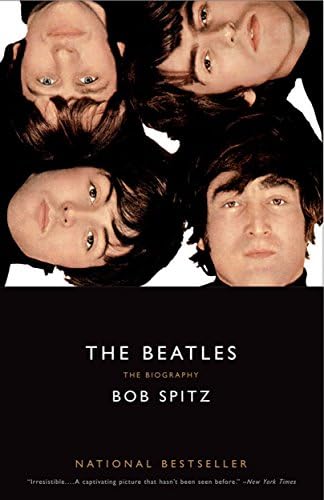
The Beatles The Biography was originally 2,800 pages before editors cut 1,500 pages of stories that Spitz later threw away at a dump
- 05
Bruce Springsteen's work ethic involves three-and-a-half hour performances and taking fans home in his truck after shows - 'He maximizes his open heart' - Spitz
- 06
Julia Child was 'a great cooking teacher, but not a very good cook' who used excessive butter and cream, making dinner guests physically ill
- 07
Ronald Reagan's shift from Democrat to Republican was triggered by IRS tax troubles after World War II, not ideological change
Get the latest ideas from Conversations with Tyler.
Plus the best new takeaways from other top podcasts — read in minutes, not hours.
By continuing, you agree to podbrain's Terms and Privacy Policy.
These notes may contain occasional inaccuracies. Learn how podbrain notes are made
Tyler Cowen interviews Bob Spitz, the acclaimed biographer whose new book The Rolling Stones The Biography joins his extensive catalog of cultural biographies. Spitz has written definitive works on the Beatles, Led Zeppelin, Bob Dylan, Ronald Reagan, Julia Child, and the 1969 New York Knicks, establishing himself as a master of long-form biographical narrative.
The conversation explores Spitz's unique research methodology - he doesn't begin writing until all materials are assembled, then writes sequentially without editing. This approach led to his The Beatles The Biography initially spanning 2,800 pages before being trimmed to 964 pages. Spitz reveals insights from his decades of access to music legends, including jamming with Paul McCartney and managing Bruce Springsteen early in both their careers.
Beyond music, the discussion covers Spitz's biographical subjects from Julia Child's travels in Sicily to Ronald Reagan's political transformation. Spitz shares behind-the-scenes stories from his research process, including living in Liverpool for nearly two years while writing about the Beatles and his current work on John Lennon's post-Beatles decade using previously unseen archives.
The Stones' Blues Apprenticeship vs. Beatles' Songwriting
The Rolling Stones The Biography documents their six-month residency at Richmond's Crawdaddy Club, where they initially played to just six people before building to hundreds through persistence.
Unlike the Beatles who wrote songs from age 14-16, the Stones 'never dreamed that they would write music' and saw themselves as authentic blues masters bringing Delta and Chicago blues to the world.
Manager Andrew Oldham forced them into songwriting after two years on the road, insisting 'if they were going to compete in the music world, they would have to write music.'
The Stones' secret formula was 'the blues plus rock and roll' - they 'jacked it up' and 'hotwired the blues' beyond what Chuck Berry and Bo Diddley started.
Mick Jagger's Business Acumen and Band Management
Since 1967, 'Mick Jagger was their manager' using his London School of Economics background to negotiate all recording contracts, publishing deals, and tours without traditional management.
Jagger's favorite economist was Friedrich Hayek, though Spitz admits knowing little more about this connection beyond Jagger's LSE scholarship and strong academic performance.
The Stones' longevity stems from Mick and Keith's complementary roles: 'Mick being the libidinous peacock, the showman, Keith being the consummate musician' with no interference between their domains.
When Keith attacked Mick in the press during the 1980s solo career dispute, calling him 'Brenda,' Mick 'turned a deaf ear' and Keith still served as best man at Mick's wedding.
The Art College Origins of British Rock
British rock emerged from art colleges, which served as repositories 'for people who had talent but didn't know what to do with it and weren't that academic.'
The 11-plus test determined whether students went to university or vocational school, with art schools becoming incubators where students 'brought their instruments to school and played in the cloakrooms.'
Art school alumni include Jimmy Page, Keith Richards, Jeff Beck, Pete Townshend, John Lennon, and contemporary artists like Florence Welch and Jarvis Cocker.
Spitz's Research Methodology and Lost Beatles Material
Spitz's unusual process involves assembling all materials before writing, then writing sequentially without editing: 'I massage each sentence as I go.'
The Beatles The Biography originally reached 2,800 pages before editors cut 1,100 pages, then another 600 pages, creating a 'sleek 964-page book' without rewriting.
In his 'most foolish mistake,' Spitz threw away all Beatles research materials and interviews at a dump after moving, eliminating any possibility of a director's cut with the lost stories.
For his Liverpool research, Spitz spent nearly two years commuting between New York and Liverpool, discovering the city's Chinese food heritage and scouse culture.
Bruce Springsteen's Work Ethic and Character
Spitz managed Springsteen at age 21 and witnessed his extraordinary work ethic: 'Never saw anybody who had a work ethic like Bruce Springsteen.'
Springsteen stayed in Spitz's apartment while recording, demonstrating mastery of rehearsals and 'making demands on other musicians' with precise timing and sound requirements.
'He maximizes his open heart' - Spitz describes Springsteen driving fans home in his truck after stadium shows and introducing himself to their parents.
Spitz's greatest pride came seeing Springsteen emerge from Obama's helicopter on election night 2008: 'We had come a long way' from being 'rough kids, unformed, unlicked.'
Julia Child's Cooking Reality vs. Teaching Ability
Dearie The Remarkable Life of Julia Child reveals that Child 'was a great cooking teacher, but not a very good cook' who used excessive butter and cream.
Dinner guests including John Updike and Corby Cummer would 'leave Julia's house' and 'get physically ill' from her rich cooking, going to nearby parks to recover.
During their Sicily travels, Child maintained her 6'3" frame by dividing every meal in half, though she 'ate the second half as well' after finishing the first.
Child's favorite restaurant was McDonald's, demonstrating her ability to 'go high' and 'go low' in her food appreciation.
Reagan's Political Transformation and Later Years
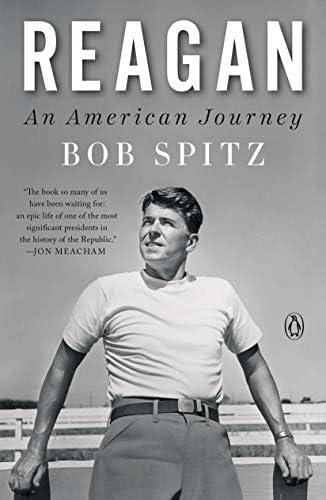
Reagan An American Journey traces Reagan's shift from Democrat to Republican, triggered by IRS tax troubles after World War II rather than ideology.
Reagan incorrectly assumed soldiers were tax-exempt during WWII and 'withheld his taxes,' leading to IRS pursuit that made him 'obsessed with economics' and 'not paying a lot of taxes.'
In his second presidential term, Reagan wasn't senile but 'his battery was wearing down' - he would 'fall asleep at a cabinet meeting' publicly.
True decline began after a July 4th horse accident post-presidency when 'he hit his head' and 'something went wrong,' leading to Nancy's acknowledgment of his memory issues.



![Thelma and Louise: [screenplay]](https://m.media-amazon.com/images/I/91pKemHj06L._SY342_.jpg)
These notes may contain occasional inaccuracies. Learn how podbrain notes are made
More in Philosophy

Spielberg Just Revealed The Truth About Aliens (He Knows!)
Jun 25, 2026
Which Of These Are You? | What's In Your Way Is The Way
Jun 25, 2026It Goes In Only One Direction
Jun 24, 2026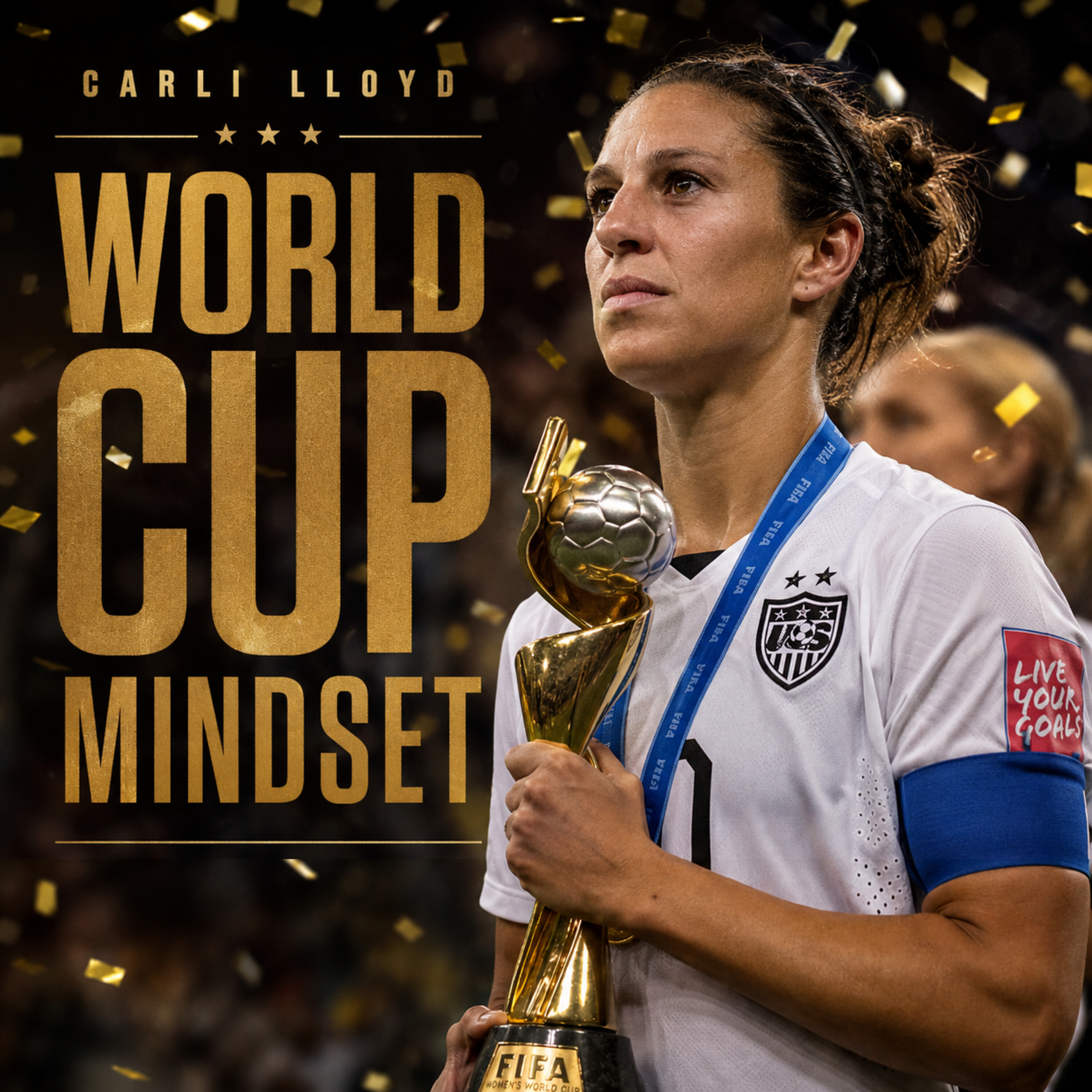
The Mindset of a World Cup Champion | Carli Lloyd
Jun 24, 2026
Peter McGrath
Jun 24, 2026.svg)