
Trader Joe’s
This episode features Ben Gilbert and David Rosenthal exploring the unlikely story of Trader Joe's, from its origins as a 7-Eleven clone called Pronto Markets to becoming America's most culturally relevant grocery chain. Joe Coulombe, the Stanford MBA founder, transformed his struggling convenience stores into a...


- 01
Joe Coulombe sold his house and borrowed from family to buy Pronto Markets for $25,000 in 1962, with employees owning about half the company
- 02
Trader Joe's became California's largest wine retailer by 1970, just three years after opening, by targeting 'overeducated and underpaid' consumers
- 03
The company generates over $2,000 in sales per square foot, twice that of Whole Foods and 4x the average supermarket
- 04
Charles Shaw wine ('Two Buck Chuck') represents 10% of Trader Joe's 40 million annual wine bottle sales, sourced from surplus California wine
- 05
Employee turnover is only 5-6% annually versus 65-70% industry average, with crew members earning 60% above market rates
- 06
Trader Joe's stocks only 4,000 SKUs compared to 50,000 at average supermarkets, turning inventory 60+ times per year
- 07
The company pays suppliers cash on delivery rather than the industry standard 30-90 day payment terms
- 08
Over 80% of products are private label, differentiated rather than generic versions of existing products
Get the latest ideas from Acquired.
Plus the best new takeaways from other top podcasts — read in minutes, not hours.
By continuing, you agree to Podbrain's Terms and Privacy Policy.
These notes may contain occasional inaccuracies. Learn how Podbrain notes are made
This episode features Ben Gilbert and David Rosenthal exploring the unlikely story of Trader Joe's, from its origins as a 7-Eleven clone called Pronto Markets to becoming America's most culturally relevant grocery chain. Joe Coulombe, the Stanford MBA founder, transformed his struggling convenience stores into a travel-themed, pseudo-healthy neighborhood grocery concept that breaks every traditional retail rule.
The conversation traces Trader Joe's evolution through distinct eras: the 'Good Time Charlie' liquor and wine phase, the 'Whole Earth Hairy' health food movement, and the 'Mac the Knife' private label strategy. Key topics include the company's counter-positioning against supermarket giants, its unique employee culture with nautical titles and Hawaiian shirts, and strategic decisions like targeting educated consumers and maintaining small store formats.
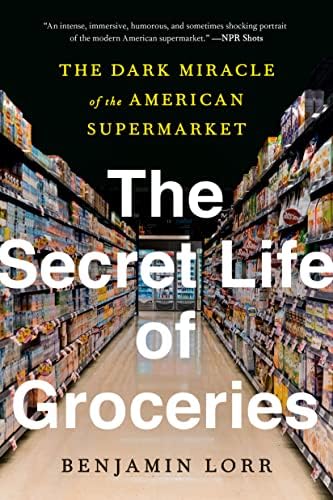
The hosts examine how Trader Joe's survived industry upheavals like the repeal of Fair Trade laws, Joe's sale to German billionaire Theo Albrecht in 1979, and the company's national expansion under subsequent CEOs. Drawing extensively from Becoming Trader Joe and The Secret Life of Groceries, they analyze how the company built sustainable competitive advantages through private label products, intensive buying strategies, and a merchant-focused approach that treats every product like wine.
From Stanford MBA to Convenience Store Clone
Joe Coulombe graduated Stanford Business School in 1954 and joined struggling drugstore chain Owl, where executive Bud Fisher wanted to clone the emerging 7-Eleven convenience store concept from Texas.
After 18 months at Hughes Aircraft's semiconductor division, Joe returned to lead Pronto Markets, opening six 7-Eleven-style stores selling 'cheese, eggs, bread, ammo, tobacco, and girly magazines.'
The 1962 management buyout required $25,000 - Joe sold his house, borrowed from family, and offered employees equity at book value, creating a partnership structure where 'employees owned about half the company.'
The Ador Dairy Crisis and Strategic Pivot
In October 1965, Joe's biggest supplier and lender Merritt Adamson Jr. delivered devastating news over four gin cocktails: 'the buyer is the Southland Corporation' - 7-Eleven was acquiring Ador Dairy and entering California.
Ador owned the entire city of Malibu as a Spanish land grant, with Guernsey cows producing rich milk unsuited for America's shift toward skim milk preferences, forcing the sale to focus on real estate development.
Facing extinction against 7-Eleven's superior scale and landlord preference, Joe pivoted to hard liquor as a high-value category with regulatory barriers that 7-Eleven couldn't easily replicate.
The Tiki Revolution and Wine Merchant Origins
Joe's vacation epiphany combined two insights: Scientific American's report on rising college education rates and the Wall Street Journal's coverage of Boeing 747s reducing international travel costs by 15x.
The first Trader Joe's opened August 1967 in Pasadena, targeting 'overeducated and underpaid' consumers with a South Seas theme inspired by White Shadows in the South Seas and Disney's Jungle Cruise.
Wine became the breakthrough category when a store manager's connection to Napa suppliers led to installing 'the world's greatest variety' - 17 different California wines - right in the store.
By 1970, Trader Joe's became California's largest wine retailer, perfectly timed for the 1976 'Judgment of Paris' that established Napa wines as world-class competitors to French Bordeaux.
Health Food Era and Private Label Innovation
The 'Whole Earth Hairy' phase began in 1971, five years before Whole Foods, as Joe recognized the California hippie movement's evolution toward organic health food consumption.
Joe's insight: 'people who really thought about what they ingested, whether wine connoisseurs or health food nuts, were basically on the same radar beam' - both rejected mainstream consumption.
Private label started with granola and expanded to nuts, dried fruits, and eventually almond butter - 'Trader Joe's basically invented packaged almond butter' as a new product category.
The 1970 'Trader Joe's Wine Insiders Report' newsletter evolved into the Fearless Flyer, using desktop publishing on the original Macintosh to tell product stories like a wine merchant.
Mac the Knife Strategy and German Ownership
The 1977 repeal of Fair Trade laws eliminated guaranteed profit margins, forcing Joe's 'Mac the Knife' strategy: 'design a store that has no competition' through complete private label differentiation.
Joe sold 100% of Trader Joe's to Theo Albrecht of Aldi Nord in 1979 for three times the original offer, with a one-page contract guaranteeing complete management autonomy and no integration with Aldi.
The sale solved Joe's 73% marginal tax rate problem while preserving Trader Joe's independence - Theo 'never invested a single incremental dollar beyond the purchase price.'
National Expansion and Modern Transformation
Under CEO John Shields (1988-2001), Trader Joe's expanded from 27 California stores to national presence, jumping directly from West Coast to the Boston-DC corridor.
CEO Dan Bain (2001-2023) transformed Trader Joe's from 'that store that sold wine, cheese, and nuts' into a full grocery store, doubling SKUs from 2,000 to 4,000 while maintaining the same square footage.
The Charles Shaw phenomenon launched in 2002 when Fred Franzia's Bronco Wine bought surplus California wine below cost and sold it as 'Two Buck Chuck' exclusively through Trader Joe's.
Charles Shaw represents 10% of Trader Joe's 40 million annual wine bottles, with 'several billion bottles' sold since launch from the $27,000 bankruptcy purchase of the label.
Business Model and Competitive Advantages
Trader Joe's generates over $2,000 sales per square foot, twice Whole Foods' rate and 4x the average supermarket, through high-value density products in small 15,000 square foot stores.
Employee turnover of 5-6% annually versus industry average of 65-70% results from paying 60% above market rates and promoting 100% of captains from within.
The company stocks only 4,000 SKUs versus 50,000 at average supermarkets, turning inventory 60+ times per year with some stores selling through twice weekly.
Trader Joe's pays suppliers cash on delivery rather than industry-standard 30-90 day terms, becoming a preferred customer while competitors use supplier financing for working capital.


These notes may contain occasional inaccuracies. Learn how Podbrain notes are made
More in Finance & Business

YouTube Video
Jan 1, 1970
The $2B AI Startup Simulating Human Behavior with 85% Accuracy
Oct 26, 2026
AI Agents Could Drive 10,000x More Web Activity | Former Twitter CEO
Oct 24, 2026
Jake Paul's Business Partner on Bitcoin, AI & the Next Trillion-Dollar Trade | Geoff Woo
Jul 13, 2026
Talk Your Book: Do We Need the Federal Reserve?
Jul 13, 2026
.svg)