
Rolex
This episode tells the story of Rolex, featuring hosts Ben Gilbert and David Rosenthal exploring how a German orphan built the world's most recognizable watch brand. The conversation covers the company's transformation from a London-based importer to Switzerland's dominant watchmaker, capturing 30% of the industry's...


- 01
Rolex captures 30% of the Swiss watch industry's revenue despite being founded by a German orphan in London, not Switzerland
- 02
The company survived the quartz crisis by positioning mechanical watches as luxury objects rather than timekeeping tools
- 03
Hans Wilsdorf engineered getting Rolexes on Presidents Eisenhower and Churchill through a brilliant three-step gifting strategy
- 04
Rolex produces over 1 million watches annually at $13,000 average price, generating approximately $11 billion in revenue
- 05
The Paul Newman Daytona that sold for $17.5 million was casually given away by Newman to his daughter's boyfriend in 1984
- 06
The company operates like an intelligence agency with extreme secrecy, owned by the Hans Wilsdorf Foundation since 1944
- 07
Rolex's three pillars - precise (chronometer), waterproof (Oyster), and self-winding (Perpetual) - were perfected by the 1930s
- 08
The brand found the optimal point on the price-volume curve, making luxury accessible to professionals while maintaining exclusivity
Get the latest ideas from Acquired.
Plus the best new takeaways about marketing from other top podcasts — read in minutes, not hours.
By continuing, you agree to Podbrain's Terms and Privacy Policy.
These notes may contain occasional inaccuracies. Learn how Podbrain notes are made
This episode tells the story of Rolex, featuring hosts Ben Gilbert and David Rosenthal exploring how a German orphan built the world's most recognizable watch brand. The conversation covers the company's transformation from a London-based importer to Switzerland's dominant watchmaker, capturing 30% of the industry's revenue.
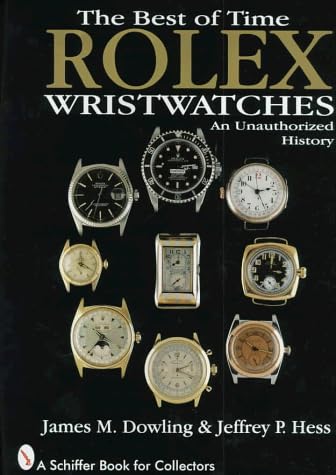
The discussion traces Rolex's evolution through three major eras: Hans Wilsdorf's founding vision and technical innovations, the company's survival of the quartz crisis through luxury positioning, and its modern dominance under foundation ownership. Key books referenced include The Best of Time by James Dowling and Electrifying the Wristwatch by Lucian Troubes.
The hosts examine how Rolex created iconic models like the Submariner, GMT Master, and Daytona, while building a brand around human achievement and professional excellence. The episode explores the company's unique business model, from its relationship with movement maker Agler to its modern vertical integration strategy.
Hans Wilsdorf's Orphaned Origins and Swiss Ambitions
Hans Wilsdorf was orphaned at age 12 in Bavaria, with his uncles selling the family ironmongering business to fund his education, teaching him early self-reliance that he credited for his later success.
After working at Swiss watch exporter Kuno Corten, Wilsdorf moved to London in 1903 and founded Wilsdorf and Davis Limited in 1905 with partner Alfred James Davis, importing Swiss movements and assembling finished watches.
The company established a crucial relationship with Jean Agler's movement workshop in Biel, Switzerland, creating a handshake partnership that lasted 99 years until Rolex bought Agler in 2004.
The Wristwatch Revolution and Rolex Brand Creation
Inspired by reading about soldiers wearing wristwatches during the Second Boer War, Wilsdorf placed a massive order for miniature movements, betting on wristwatches becoming mainstream beyond military use.
In 1908, Wilsdorf created the 'Rolex' name while riding a London bus, inspired by Kodak's approach to brand naming - short, pronounceable in any language, and memorable.
Rolex achieved the world's first wristwatch chronometer certification at Kew Royal Observatory in 1914, just three weeks after World War I began, establishing their precision credentials.
World War Disruptions and Swiss Relocation Strategy
Anti-German sentiment during WWI forced the company to rebrand from Wilsdorf and Davis to Rolex, while British import tariffs made Swiss operations more economical.
The company moved to Geneva in 1919 to benefit from Switzerland's watchmaking prestige and neutral status, positioning itself as 'Rolex of Geneva' for global credibility.
World War II created demand for precision wristwatches among RAF pilots and military personnel, while Rolex simultaneously supplied watches to both Allied and Axis forces through different channels.
The Three Pillars of Rolex Engineering Excellence
Rolex perfected three core technologies: chronometer precision (officially certified timekeeping), Oyster waterproofing (sealed case system), and Perpetual self-winding (automatic movement).
The Oyster case, launched in 1926, solved the industry's biggest problem by creating a waterproof seal without requiring a secondary case, using a licensed patent for the screwdown crown system.
Mercedes Gleitz became Rolex's first brand ambassador in 1927, wearing an Oyster during her English Channel swim vindication, leading to Rolex's first major advertising campaign in the Daily Mail.
Presidential Marketing and American Market Conquest
Wilsdorf executed a brilliant three-step strategy: gifting the 50,000th chronometer to Swiss General Guisan, who gave the 100,000th to Churchill, who influenced Eisenhower to accept the 150,000th.
With President Eisenhower wearing a Rolex Datejust, the company launched its iconic campaign: 'Men who guide the destinies of the world wear Rolex watches' through J. Walter Thompson agency.
The Datejust, launched in 1945 for Rolex's 40th anniversary, became the first modern Rolex with the date complication and Jubilee bracelet, establishing the template for luxury dress watches.
Professional Watches and Lifestyle Brand Evolution
Under Andre Heiniger's leadership, Rolex launched iconic tool watches from 1953-1955: Explorer (for mountaineering), Submariner (diving), GMT Master (aviation), and later the Daytona (racing).
The Submariner gained legendary status through Jacques Cousteau's underwater documentaries and Sean Connery's James Bond films from 1962-1995, defining the dive watch category.
Rolex's 'If You Were' advertising campaign in the late 1960s epitomized lifestyle marketing: 'If you were flying the Concorde tomorrow, you'd wear a Rolex,' focusing on aspiration over features.
The Quartz Crisis and Luxury Transformation
The quartz revolution devastated Swiss watchmaking, with Switzerland's global market share falling from 85% to 15% between 1945-1980, eliminating 1,500 companies.
While competitors like Omega panicked and diversified into quartz, Rolex waited and watched, maintaining their mechanical focus while exploring quartz minimally with the Oyster Quartz model.
As described in Electrifying the Wristwatch, Andre Heiniger recognized that quartz would become banal while mechanical movements would remain expensive and exclusive for wealthy customers wanting beautiful objects.
The Paul Newman Daytona phenomenon began in 1986 when Italian dealers started collecting specific dial variants, creating the modern luxury watch collecting market and secondary market premiums.
Modern Dominance and Foundation Structure
Rolex produces approximately 1.1 million watches annually with $11 billion revenue, capturing 30% of Swiss watch industry revenue while competitors like Cartier and Omega hold just 7.5% each.
The Hans Wilsdorf Foundation, established in 1944, owns Rolex and disperses around 300 million Swiss francs annually to charitable causes while ensuring the company's perpetual independence.
Under Patrick Heiniger's leadership, Rolex vertically integrated production into four massive facilities, acquiring Agler in 2004 and controlling everything from metal forging to final assembly.
The company's 2023 acquisition of retailer Bucherer for approximately $5 billion represents a strategic move to control customer relationships and prevent competitors from acquiring key distribution partners.


These notes may contain occasional inaccuracies. Learn how Podbrain notes are made
More in Finance & Business

YouTube Video
Jan 1, 1970
The $2B AI Startup Simulating Human Behavior with 85% Accuracy
Oct 26, 2026
AI Agents Could Drive 10,000x More Web Activity | Former Twitter CEO
Oct 24, 2026
Jake Paul's Business Partner on Bitcoin, AI & the Next Trillion-Dollar Trade | Geoff Woo
Jul 13, 2026
Talk Your Book: Do We Need the Federal Reserve?
Jul 13, 2026
.svg)